2026 hasn’t been a normal year for anyone, and I’m no exception, so while this entry might feel like it’s going in several different directions at once, that is exactly how this period was experienced from my point of view and therefore I believe that this is probably the most authentic way to document it. Bear with!
Back in 2023 I decided that I would like to take a pause in Mexico City after spending a year riding down from Alaska. México was alright, so why not just get a job there, and then carry on with my pedalling a couple of years later when the bank account was all topped up again?
This whole strategy of ‘move a bit, work a bit, move a bit’ was first cooked up over a long summer of ‘desk warming’ at my English teaching job in South Korea back in 2015. I realised that this whole teaching abroad gig was turning out to be a nice little earner, and given that at that time we were still mired in the aftershocks of the 2008 financial crisis, with all of the uncertainties that came with it, getting into a long term career in education seemed like a pretty logical step; there has always been a steady demand for teachers all over the world.
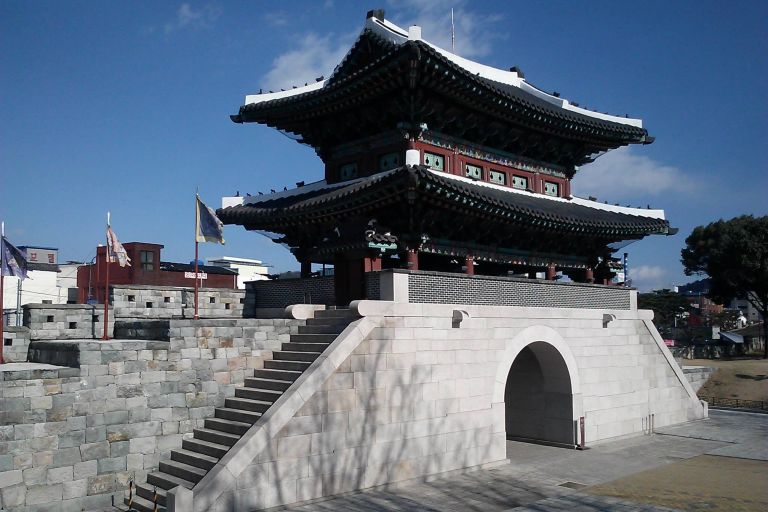
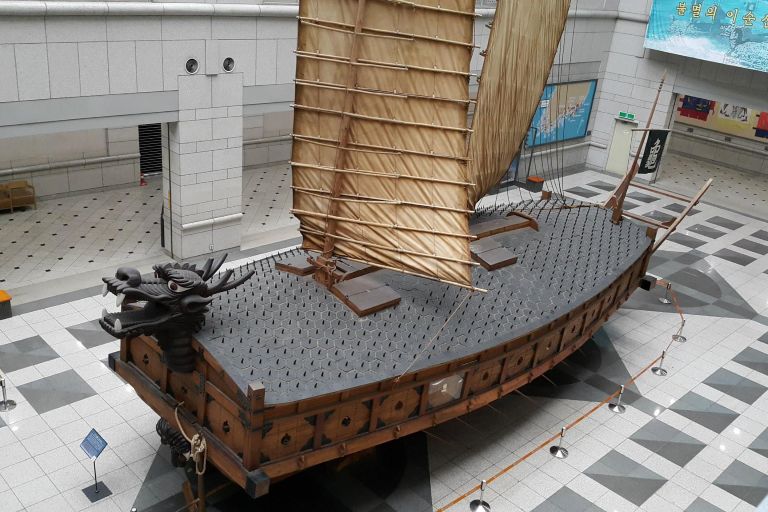
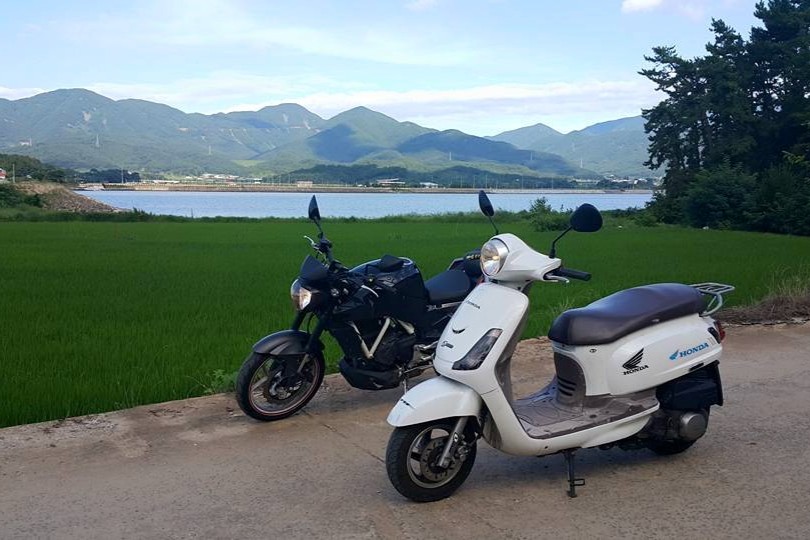
Teaching English to Speakers of Foreign Languages (TESOL), English as a Second Language (ESL), Teaching English as a Foreign Language (TEFL), they all boil down to the same thing; Get yourself a TEFL certificate* on top of any bachelor’s degree, and you’ve got a ticket to live and work almost anywhere on the planet.
Teaching English to middle and elementary school students isn’t tremendously demanding, but it is a bag of fun; there’s never a dull moment when you work with young people!
Well, that pathway had worked out rather nicely for me in Korea, but, while idly perusing job boards, I began to notice that qualified teacher positions in international schools often tended to pay as much as double the salary of their TEFL instructor counterparts.
*If you are interested in going down this route, the very best TEFL qualifications to go for are CELTA or Trinity certTESOL. These courses provide classroom teaching experience as part of their training syllabus, and so they are considered the gold standard globally. Other course providers, particularly online only courses, may not be looked upon quite as favourably by potential employers, although I’ve seen plenty of folk get jobs this way too.
Since I studied Biology for my first degree it made sense for me to double down on that specialism and become a science teacher, so I decided to invest in getting some ‘proper’ teaching qualifications under my belt. The ‘catch’ was that most international schools typically look for at least two years of experience in the profession post qualification, so this wouldn’t be a quick dash home before zipping off overseas again.
So, back to the United Kingdom for nine months of PGCE (Post Graduate Certificate in Education), to gain QTS (Qualified Teacher Status), before completing my NQT (Newly Qualified Teacher) induction year in a state maintained school, and I was finally fully qualified. Then the global pandemic decided to rear its ugly head and shut everything down, leading me to ultimately wind up with almost 4 years of experience post qualification, rather than just the required two.
That was an interesting time. Lockdown was the catalyst which made this whole Alaska to Argentina cycling adventure take form on paper, but it was actually a family tragedy which brought forth the raw emotion that ultimately pushed the plan off the drawing board and into reality.
Off to Alaska (PA1: pedalling the Dalton Highway to PA10: Mexico – Mazatlan to Mexico City).
This now brings the reader up to where I started this entry, at the end of that first ride, in México, looking for a job. Well, there were plenty of lower paid TEFL positions going locally, but only a couple of the more desirable science teaching jobs, so I widened my search to more or less include the whole of Latin America (wanting to keep myself immersed in that culture to help with my Spanish studies) and I ultimately ended up finding a job in a lovely school in Quito, Ecuador.
This put a bit of a crimp in my original ‘ride a bit, work a bit, ride a bit’ plan, where I had intended to simply pedal until I wanted to stop, before getting a job in that same location, and then moving on again when it felt right. Instead, I had jumped ahead a bit down into South America.
I suppose that I could have just flown back to Mexico and resumed riding south from where I had left off, but it felt more appealing to simply ride out of my front door in Quito, so I did that instead, leaving Ecuador in March 2025, and reaching Salta in the north of Argentina by the end of that same year (PA11: Goodbye Quito to PA26: Into Northern Argentina).
Which brings us up to January 2026, the beginning of the time period being covered by this post.
At this point the reader might be feeling like they are on the receiving end of an unsolicited monologue from an eccentric stranger at the bus stop. So what is the whole point of all this exposition about the last decade of my life and my motivations? And why are you reading a blog post on chrisonabike.com, yet there are hardly any bikes being mentioned?
Well, I really want more people to fall in love with long distance bicycle travel; I find that this is such a life-affirming way to live and move through the world, It is the least consumerist form of global travel that I’ve encountered, short of walking or hitchhiking. In a world that is increasingly obsessed with appearances, this lifestyle offers raw adventure without ‘safe spaces’ that feels both liberating and genuine. However, I think that many people believe that a life of travel is completely beyond their financial means or physical ability, and so they don’t even begin to entertain the idea of giving it a go themselves.
If this blog inspires just one person to slip away from the rat race and take a chance at living their life as an adventurer, it would all be worthwhile.
I realise that these stories have mostly only covered the actual riding side of things, but really there has been a whole lot of stuff going on behind the scenes that collectively make these journeys happen, and, to be honest, the work side of things does still dominate the majority of my time overall. I hope that by outlining my career arc there might be some bits and pieces that other prospective globetrotters might find useful, and be able to integrate into their own planning.
Personally, I have a great deal of passion for the teaching profession, and I think that this career would make a great fit for an awful lot of people. I would not have predicted that teaching would end up becoming my thing until I actually tried it. You have good days and bad days like any other job, but you can always go home proud that you’ve actually helped do something good for the world, rather than just making your boss a little bit richer…
Other routes, such as becoming a digital nomad, selling pictures of your feet online, or becoming a social media travel influencer are also possibilities for sure, but I cannot really wax lyrical about that sort of stuff, since I have no personal experience in those areas.
The reason that I’m writing about all this career-related stuff now is because the pendulum has presently swung firmly over to the work and responsibilities side of things again, and so it is relevant to the story.
I recently made it to Salta, in the North of Argentina on the second leg of my Pan-American bike tour. I decided to take a break from riding and wanted to put Latin America on the back burner for while, so I flew back to the United Kingdom from Buenos Aires in January 2026.
It was probably not the smartest move that I could have made; since most schools begin their new academic years in August or September, so there weren’t many decent postings around that I could move into directly, and I began to agonise over whether I should just take a shortish break and then hit the road again later that same year, or wait until August to start a new teaching job overseas, committing to at least two years of employment from that point onwards** before getting back to the pedals again at some stage in the future.
**While careers in education are relatively forgiving of staff who like to move around a bit, working for less than two years is seriously frowned upon, as there is a great initial effort made on the part of schools to get new staff in from overseas. It is also very disruptive to the students’ progress if they can’t build a long term working relationships with their teachers.
This paralyzed my decision-making for a couple of months, namely because it had big consequences for my relationship with Raquel, now a long-distance affair. It is also a real injustice that not all passports carry equal weight in this world.
Meanwhile, I earned a bit of cash as a deliveroo rider in Brighton.
I also did quite a lot of work for a supply teaching agency. Do you remember when you were in school and your teacher was off sick, so they sent in a substitute, who you probably messed around as much as you could get away with? That was me. Without doubt one of the most challenging teaching gigs I’ve ever had in terms of classroom management. Showing up as a completely unknown face halfway through the year, with no established rapport with a class is tough. I have a ton of respect for people who choose to do this job on a permanent basis.
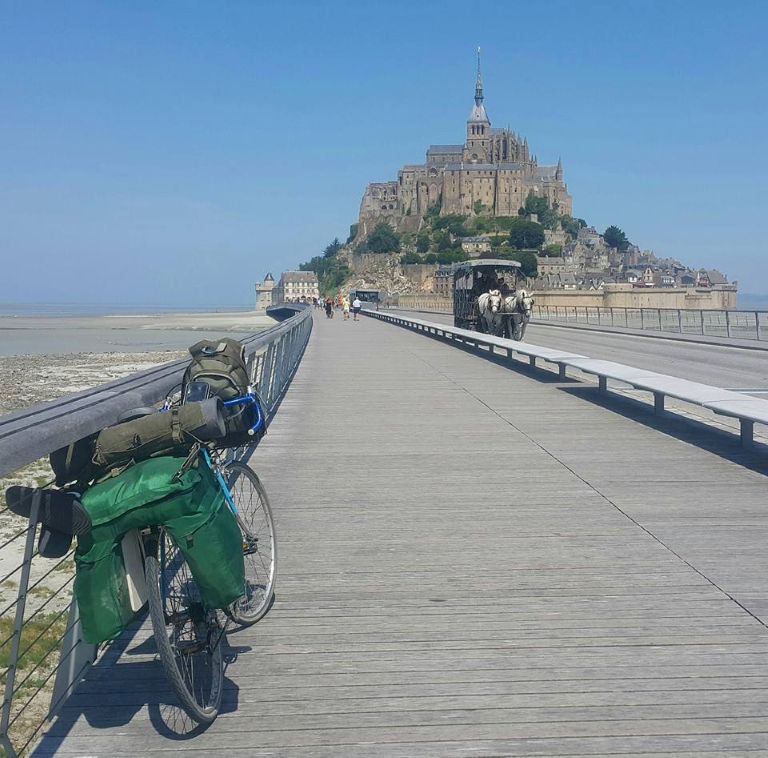
I spent my free time fixing up every bicycle that I own. Two of them had been in dire need of some serious TLC for years.
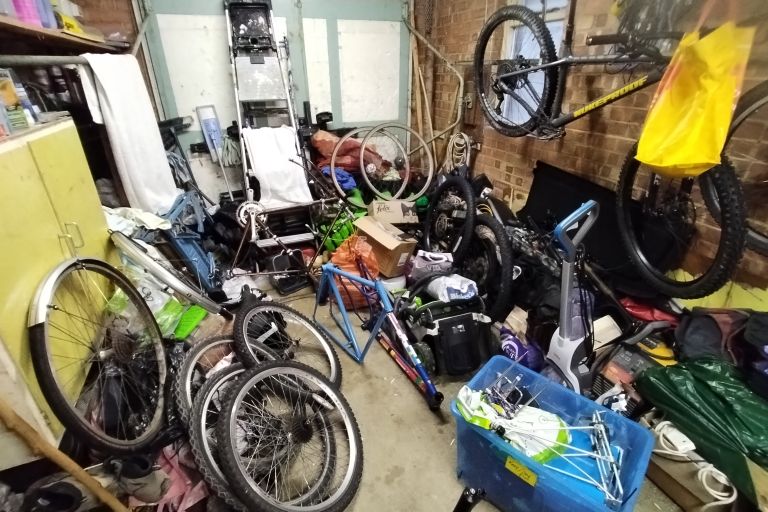
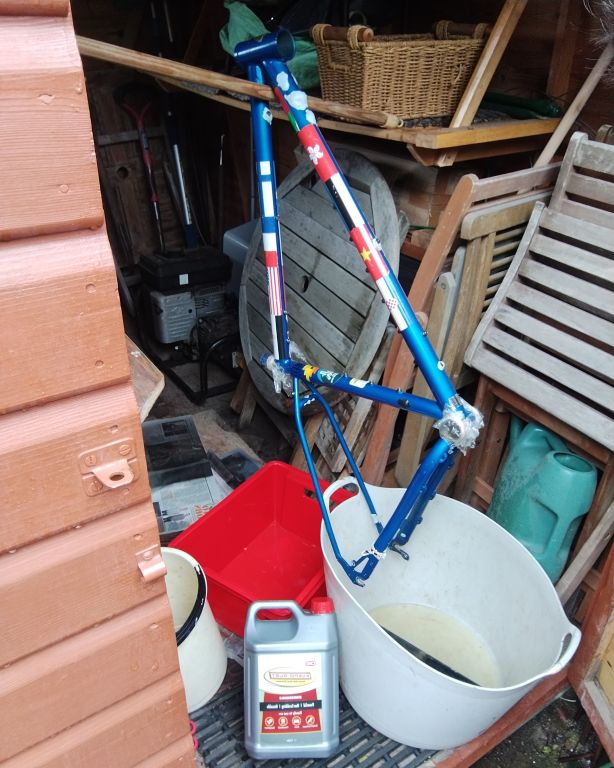
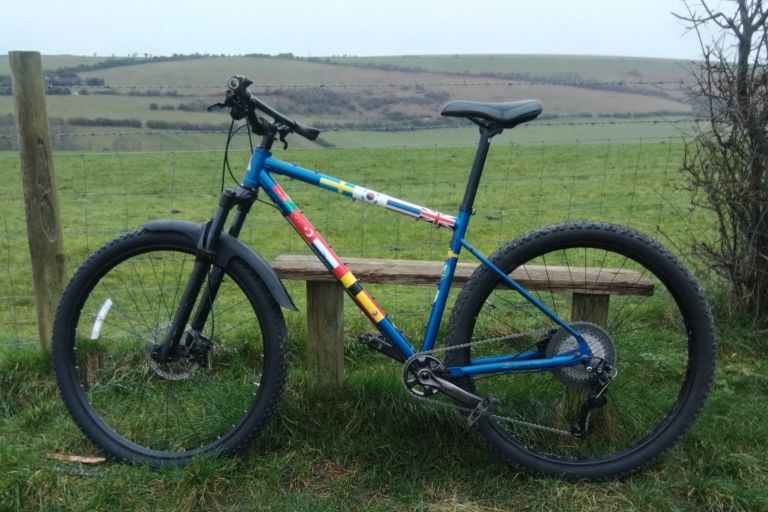
Next bike.
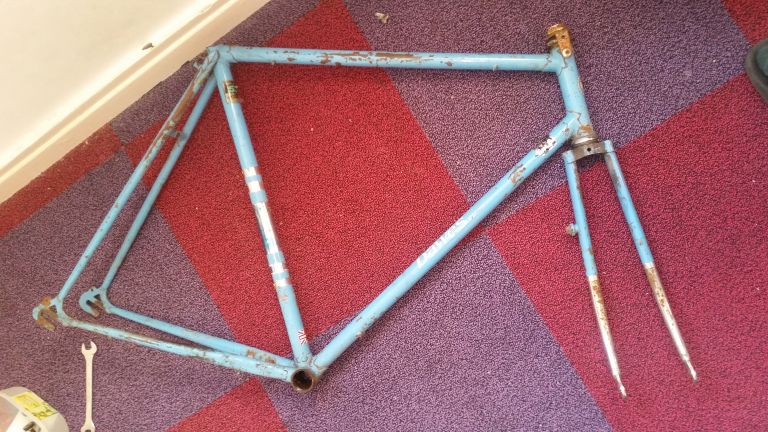
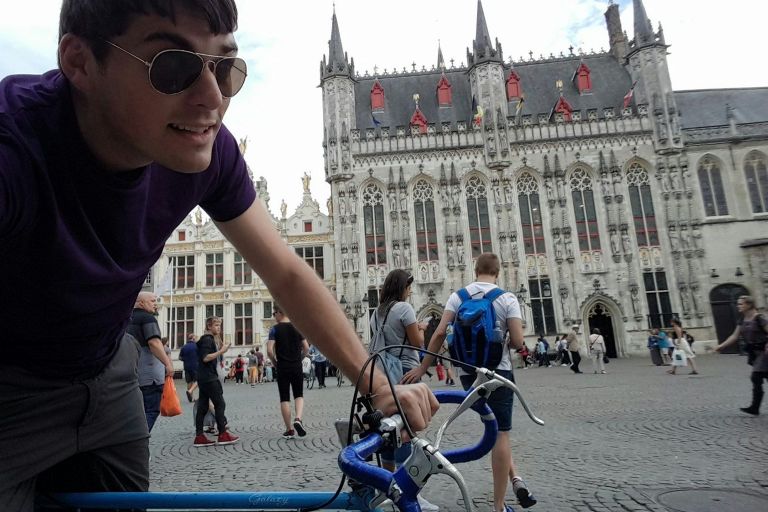
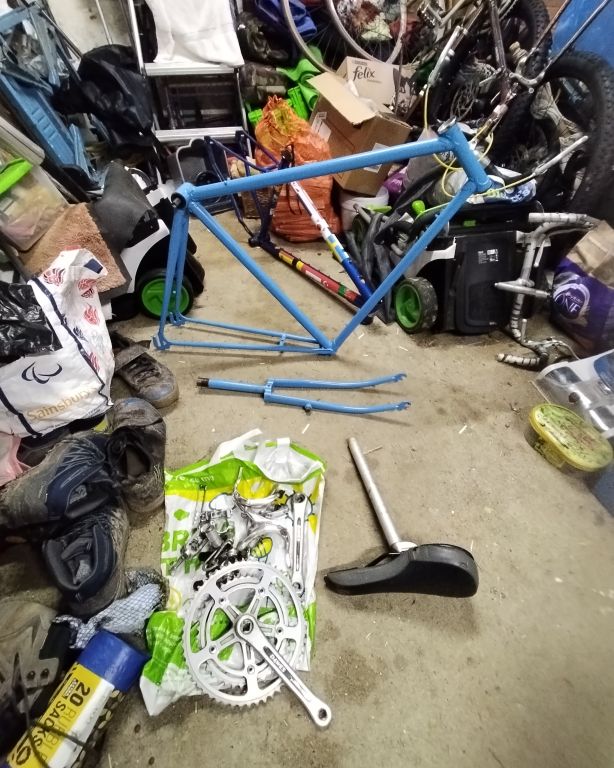
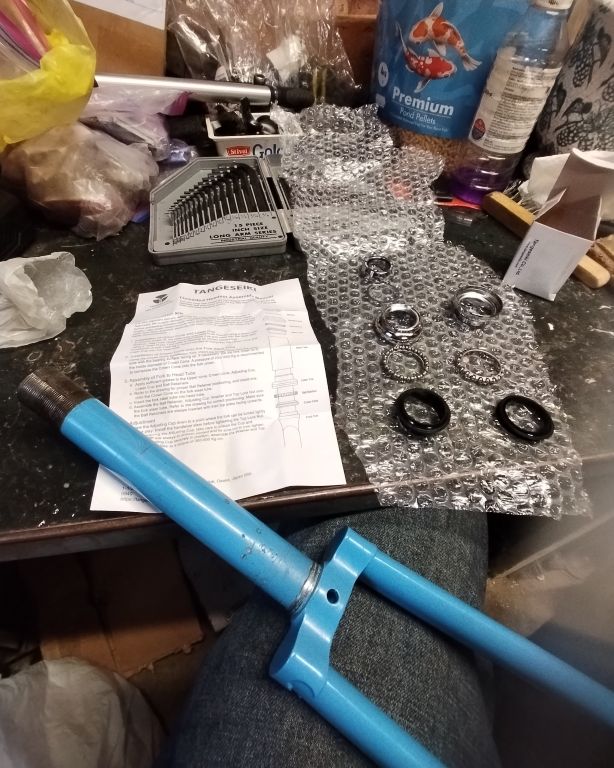
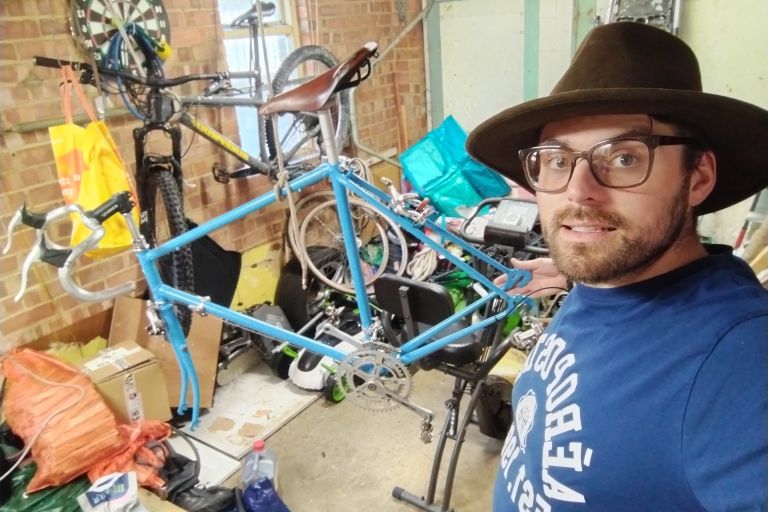
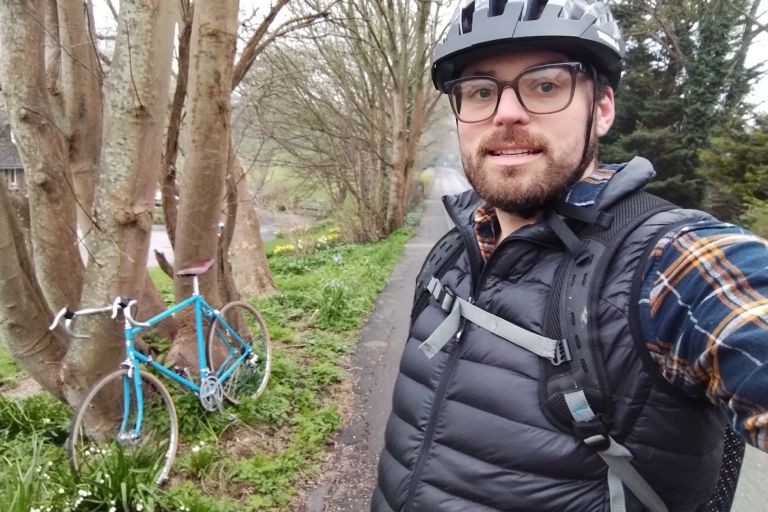
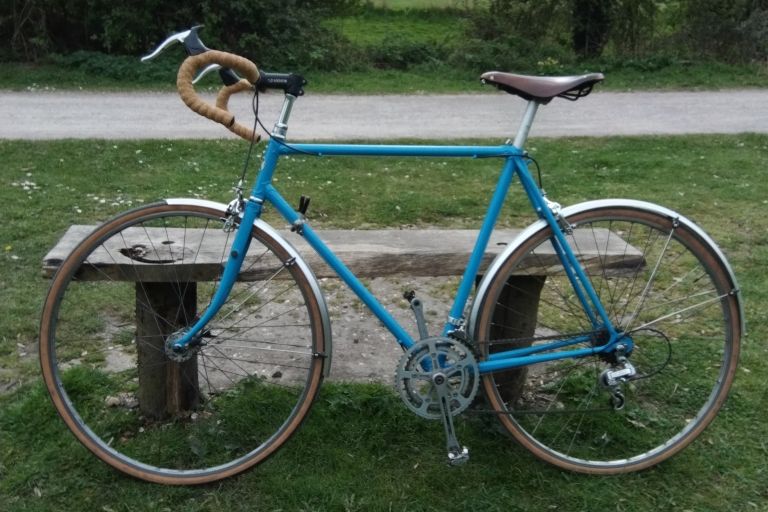
Maybe I will set it up with a pannier rack for touring, although I do like the clean look of it at the moment. Its so much faster than my Thorn expedition bike on flat Northern European roads, but it lacks decent gearing to attack proper mountain passes while loaded down with camping gear. Or at least I’m too much of a softie to put my knees through that sort of ordeal.
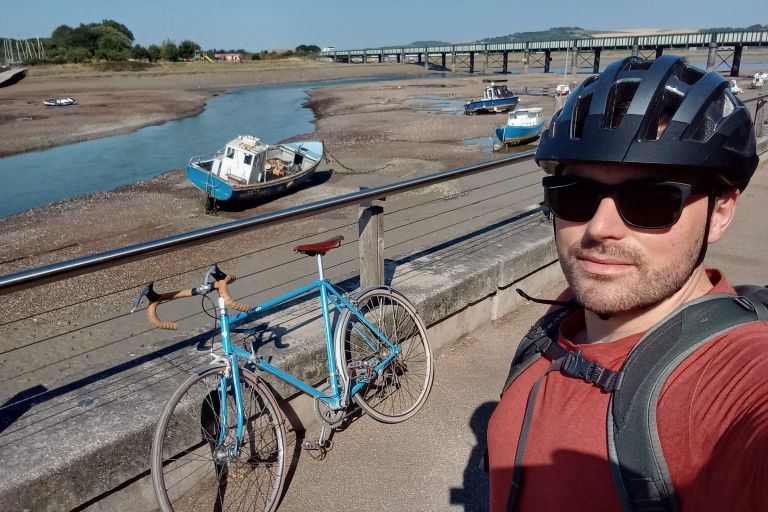
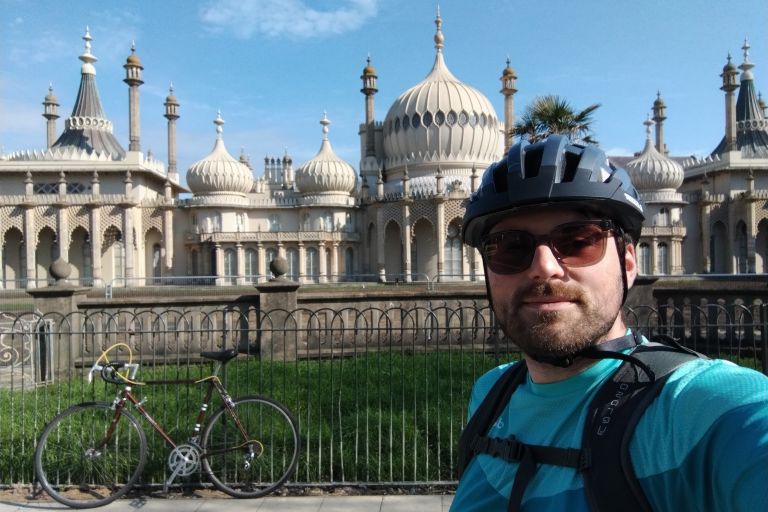
I know that I moan a lot about doing bike maintenance on this blog, but I actually really love pottering away in the garage. The thing that I don’t enjoy is trying to sort out a mechanical drama by the side of the road under a blazing equatorial sun for an hour when I’m miles from civilization. I would always choose to go touring on the most boringly reliable, low maintenance bike possible. If I could ride all the way from Alaska to Argentina without ever having to turn a single allen key that would be just fine with me.
And so I decided to take the plunge and get a Rohloff fitted to the back of my Thorn Mk 3.
Any long time readers will know that you only have to whisper the words ‘derailleur hanger’ in my presence to bring out a gushing of trauma.
Having the most mechanically complicated part of your bicycle in the most vulnerable location possible is an acceptable risk for most sporting and casual applications since it is the most lightweight and affordable bicycle shifting technology on the market. However, I’ve come to hate my derailleurs with a real passion on long tours.
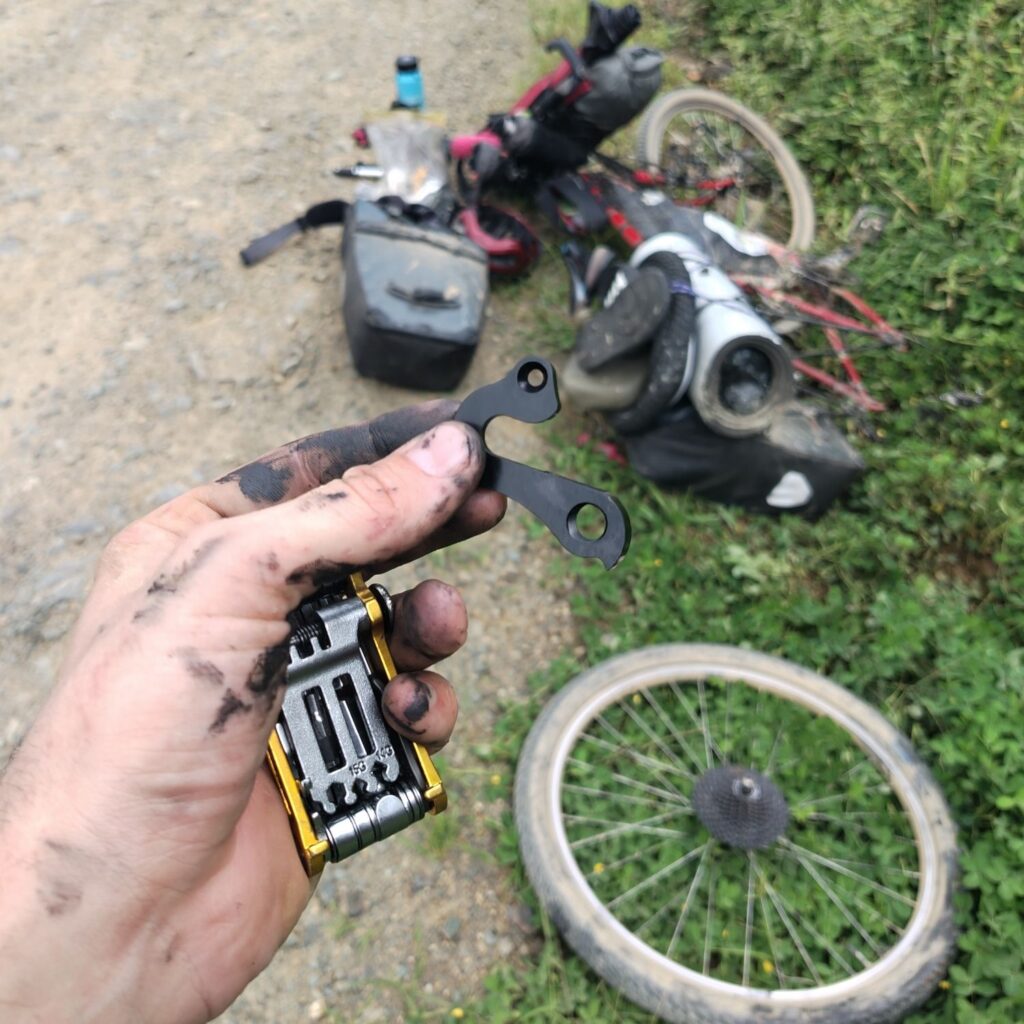
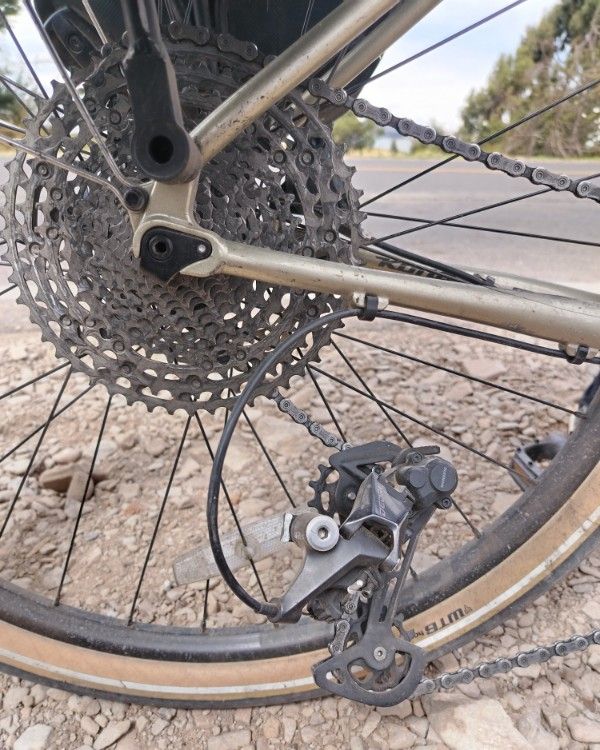
By contrast, everybody that I’ve met who has toured with a Rohloff Speedhub has strongly advocated for them. You are essentially outsourcing your peace of mind to a distant engineer in Germany, with the understanding that if you do manage to break it (and I am uncommonly good at breaking things), there will be absolutely zero chance of finding a local solution. It is also a little bit heavier than a traditional derailleur setup, and not particularly cheap either.
However, I feel like the advantages really do play in favour of the long-distance rider: Almost zero maintenance is required, a very generous range of gears is provided, and nothing sticks out of the bike that can get bashed, snagged, or abraded. These gear hubs have an excellent track record as long as they get an oil change every 5000km, with some riders reporting having logged hundreds of thousands of kilometres on a single hub without issue.
I could go on forever about bicycles and their components, but I think that I’ll cut this short, and let’s just see how I get on with my Rohloff in my future travels. I guess that we can then weigh up the amount of time I spend swearing at it compared to my previous misadventures?
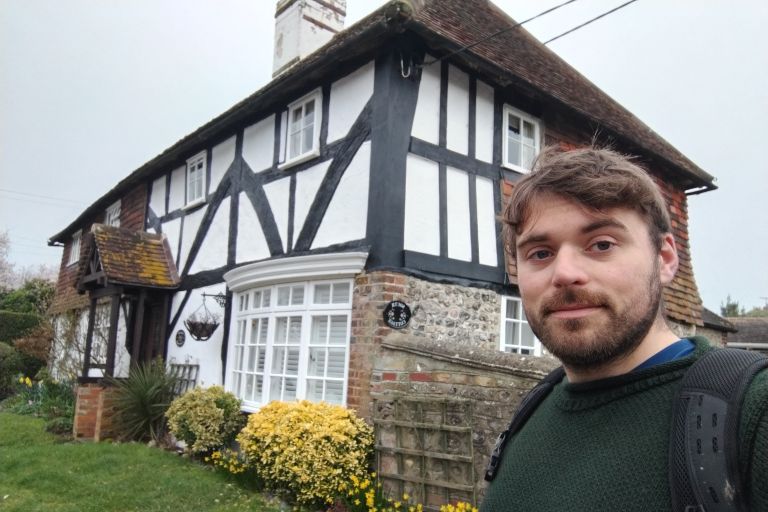
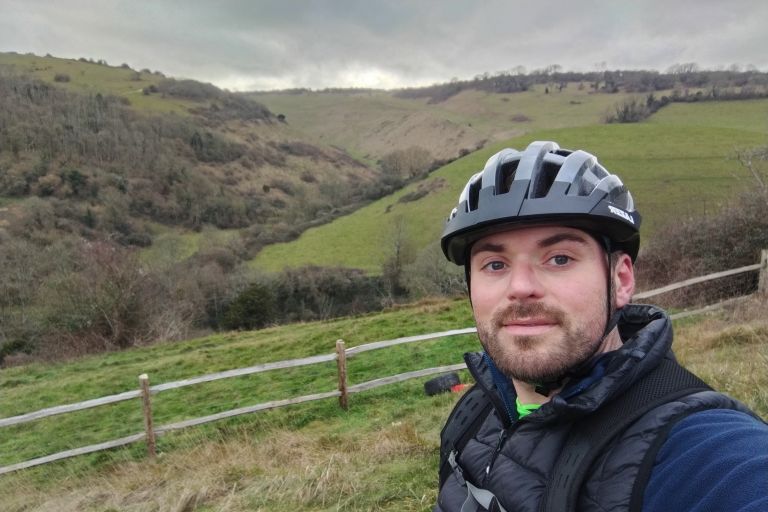
Coming back to live in the UK again after being overseas for several years has been interesting.
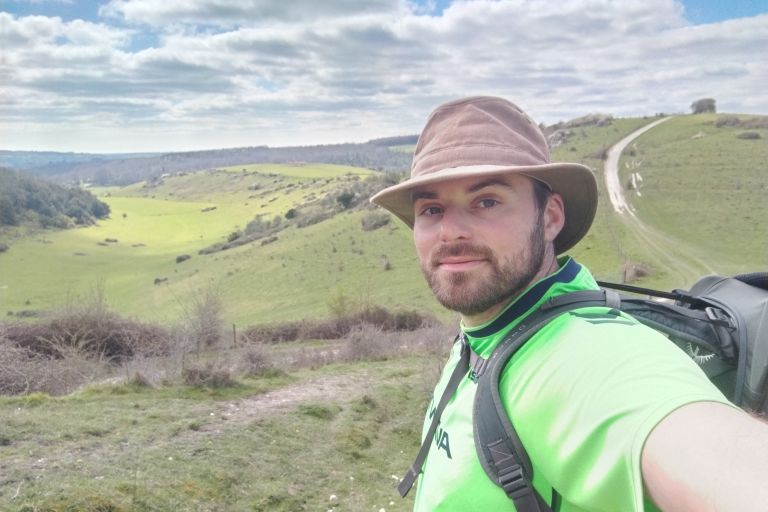
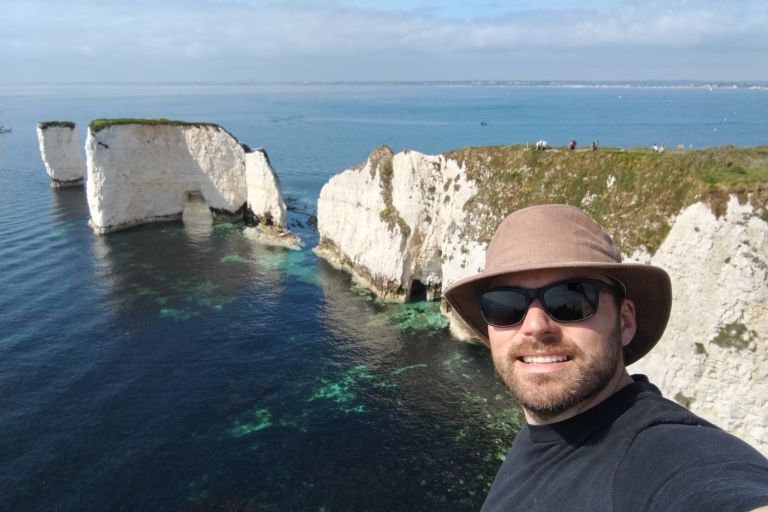
I know that UK-related news has featured quite prominently all over social media recently. I’ve noticed quite a considerable uptick in the volume of negative narratives being pedalled on the Face/Insta/Tok/Tube sphere. What started as a relatively harmless poking of fun at our spartan approaches to traditional cooking, or more thought provoking discussions about our colonial history have noticeably deteriorated into downright hate and blatant misinformation.
According to the internet, ‘the UK is finished’. Surely you can’t even step outside without being immediately stabbed, robbed, or sexually assaulted by a foreigner. Additionally, there has been a lot of AI-generated content depicting inner city areas as being in a post-apocalyptic state, with only a thin veneer of law and order provided by an out-of-touch police force that locks people up for making mean comments on the internet, while letting violent offenders run amok. You don’t have to go very far in the comments section of any given video related to the United Kingdom before you encounter hate.
Since I mostly socialise with an international crowd, I do tend to get a lot of this ‘UK is doomed’ narrative second hand. I’m not doing much pedalling at the moment, so I thought that I might take a moment to address these issues here.
Apart from anything else, this is a travel blog, and the UK is a travel destination. I’m always going on about the good and bad points of most of the places that I visit, so why can’t I talk about my own country in the same way. Well, this does hit close to home for me, so let’s just assume that there will be some bias in my account, and let’s dive in.
I recently spent a year and a bit living in a country which had the highest per capita murder rate in South America at that time. A couple of my friends got pickpocketed while I was there, and one of my friend’s daughters got held up at knife point and taken on a tour of the local ATM machines for a couple of hours. So it is not really recommended to go for a casual stroll around certain parts of Quito at night. The coastal cities are in a different league entirely.
Is Ecuador ‘finished’? No, but they are currently going through particularly difficult times.
When I cycled through Durango/ Zacatecas in Mexico, there was an ongoing conflict between the Sinaloa and Jalisco cartels. Additionally, El Chapo’s son had just been lifted by the authorities, which had incited Sinaloa to retaliate by burning a load of trucks and generally raising hell indiscriminately. Yes, I heard some gunshots at night, some of my mates got pulled up by the roadside for interviews by masked men with assault rifles and Sinaloa patches on their body armour, but everybody got through alright. Is Mexico ‘finished’? Also no, but it is certainly an interesting place to be right now.
Bolivia has been virtually brought to its knees by a crippling fuel crisis. Is Bolivia ‘Finished’? No, but it is a very challenging place to try to make a living right now.
By comparison, the UK certainly has its fair share of problems, but I think that most people would gladly pick our ones, over some of the examples that I’ve described above.
I suppose that at the heart of every lie is a kernel of truth, and there are real world events being documented which can be linked together to construct this narrative of a fallen nation. When bad news is the thing that really stirs people into buying newspapers, or lingering a bit longer on a video to drive engagement, then of course people will be disproportionately be exposed to this, and may well internalise this narrative if they do not engage in critical thinking.
I’m not going to work my way down the long list of everything negative that could be said about the United Kingdom, or its history, but instead reflect upon one reason why we in particular appear to be getting so badly kicked around on the internet lately. And it is barely being talked about.
Currently, the UK is sending tens of billions of pounds worth of lethal, humanitarian, and financial aid to Ukraine in response to Russian aggression upon that country. Unlike our ‘friends’ on the other side of the Atlantic, this commitment did not waver for a moment with the change in our government.
Our tax money is being actively used to kill Russian soldiers, and destroy Russian infrastructure.
Do you think that Russia, a nation with a well-funded and internationally respected intelligence service, particularly in the cyber sphere, would just casually sit by while another nation state kills its citizens by proxy?
You might be wondering if I’m wearing a tin foil hat at the moment, but this is hardly some far-fetched conspiracy theory. The fact that this material is largely state sponsored is well documented, and, unfortunately, Russia is not the only nation playing the game.
The mayor of London recently drew attention to the fact that social media content of foreign origin being used to depict London in a state of crisis is so ubiquitous that he announced a 7 million pound international tourism and investment campaign specifically targeted to counter this slop and improve the city’s international image.
In 2026, as people continue to move away from legacy media outlets in droves and become chronically online, subversion by non-kinetic means, such as misinformation, has never been a more accessible form of state sabotage.
Fair play to them for giving it a try, but they don’t seem to have read the history books. The UK plunged itself into a financially ruinous war, throwing away its global standing and empire in the process, to help bring down the last dictator that wanted to make a name for himself in Europe, and we didn’t wait around to be attacked ourselves before getting on with it either. We are presently committed to doing the same thing all over again, and we aren’t doing it alone.
Yes, the UK is nothing special these days, and my goodness do we have our fair share of local difficulties, but I think that we still have an awful lot to be proud of as a nation, and we certainly aren’t ‘finished’.
Anyway, that’s enough of all this depressing stuff for now. There still isn’t a lot of cycling going on in this post, is there?
The main recruitment drive for international teaching jobs seems to peak around March/ April time. That time had now come, and I really needed to make a decision.
Ultimately, I knew that I needed a challenge. Living on a bicycle for a year is certainly its own sort of challenge, but not really in an intellectual way.
I wanted to push myself professionally. It is essential for my own sense of self-worth; I’m not the sort of person who can just bum around like an unemployed surfer and still be happy with their lot in life, as much as it might seem nice to be able to do that. I want to help build things, and feel like I’m making a difference. The world really does need some help given the sort of news headlines that we have all been subjected to in 2026.
I found a wonderful school in Asia, who strongly demonstrate the same values in their educational philosophy that I personally hold.
They also deliver an exciting international curriculum that I have been specifically looking to get into, which really focuses on developing young peoples’ critical thinking, and global awareness, called the International Baccalaureate.
And so I began the whole process of getting degree certificates and police records notarized and sent to embassies, virtual webinars, online workshops to upskill, an international driving permit, booking flights, searching for apartments, and making a start on learning a completely new language.
And, with great reluctance, having to say farewell to Raquel.
I appreciate that some of my regular readers are also in contact with her, so can I politely ask that you don’t hassle her too much over this topic. Many thanks.
So that brings us up to the present day. This post is coming to you from Hanoi, Vietnam.
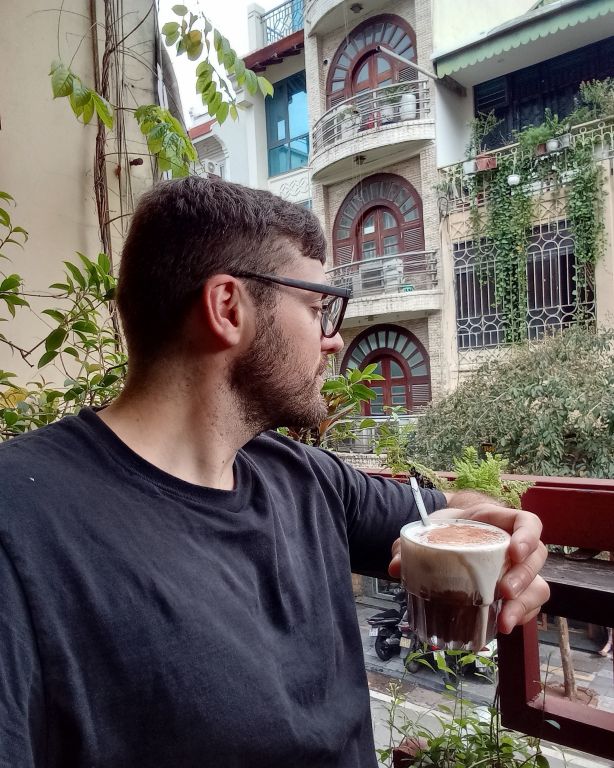
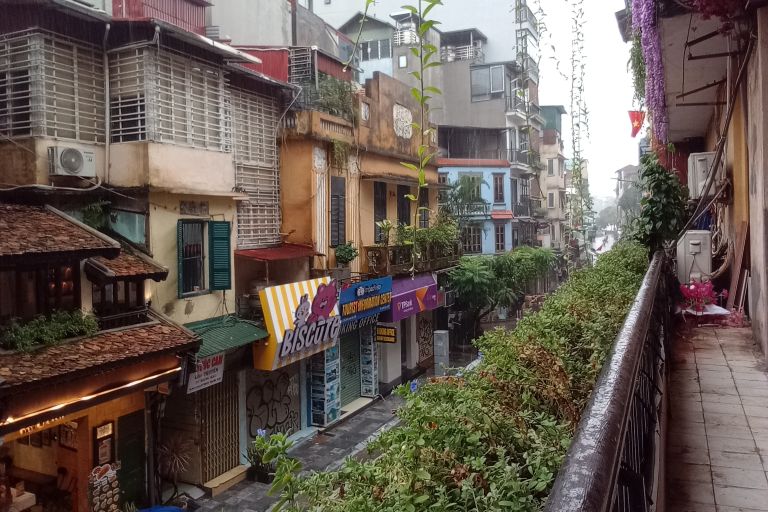
I hope that everyone reading this is doing well, wherever you are in the world. If you would like to bounce some ideas around regarding working and travelling abroad, I’m happy to have a natter. Feel free to drop me a comment below, or ping me a message via the contact page.
If you have any thoughts about some of the geopolitical chat, please feel free to share them too. Equally, if you feel like you would prefer that I steer away from this sort of commentary and stick to the travel stuff (I appreciate that we hear enough of it already on a daily basis), then I would appreciate the feedback.
I have every intention of extensively exploring Vietnam and the surrounding area during my free time here, so stay tuned for some East Asian adventures!