This entry begins at the moment that we left the province of Cusco for Puno, and began to make our way over to Lake Titicaca. If you want to find out what led up to this point, you should check out our previous post: PA22: Qosqo.
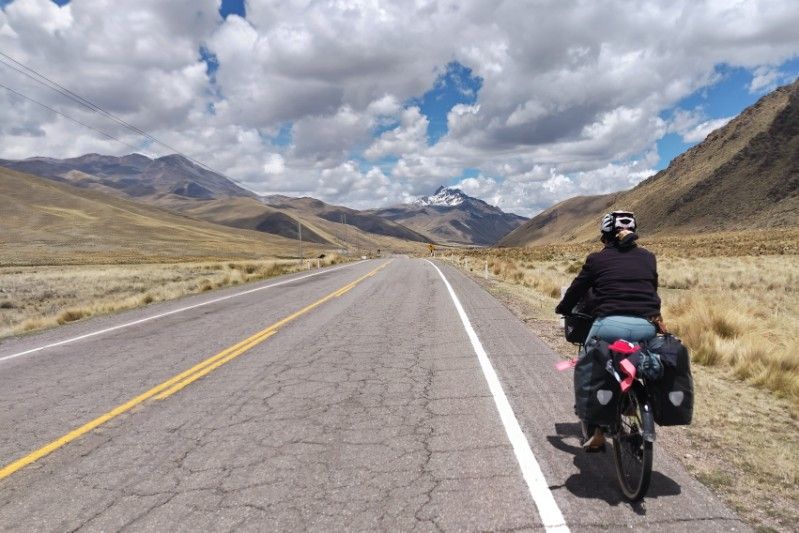
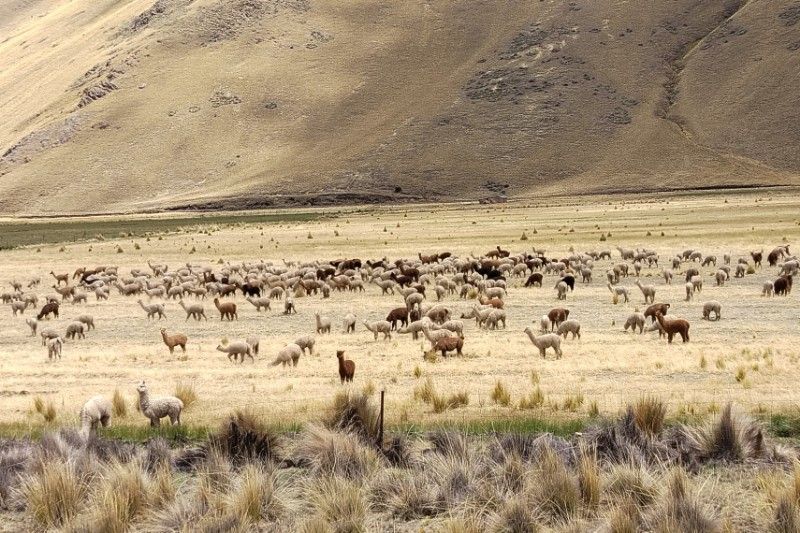
We made a decent chunk of progress on our first day; The descent really helped our advance in first hour and a bit. The road eventually levelled out, and we found ourselves riding along a gently undulating plain.
Storm clouds formed all around us in the afternoon, and a sturdy cross wind soon picked up, flinging a torrent of rain into our sides.
We reckoned that we were in for a wet and windy night of it if we camped out on the pampas, and there wasn’t any decent vegetation that could be used as a wind break for the tent.
No hostels appeared nearby on our maps, but we decided to have a go at asking around for accommodation all the same, and were directed to the old university in Chuquibambilla.
The receptionist took a photocopy of our passports, and then the groundskeeper led us to an old dilapidated dorm room. Free digs!
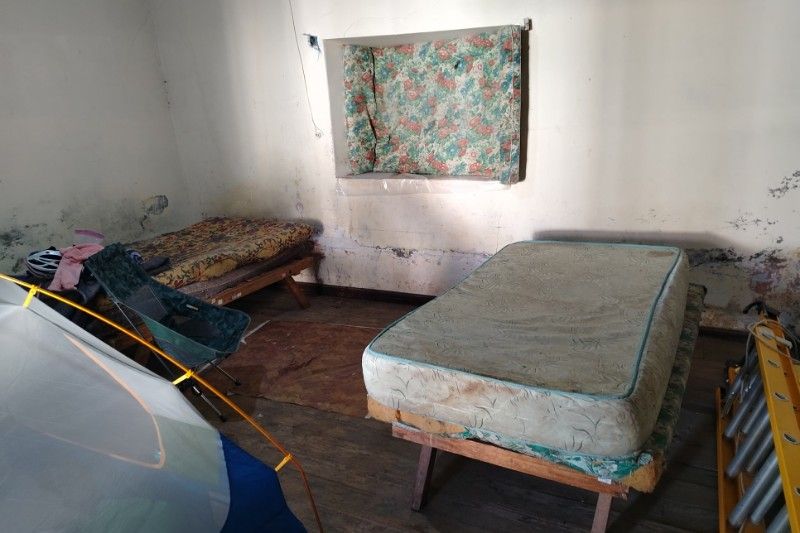
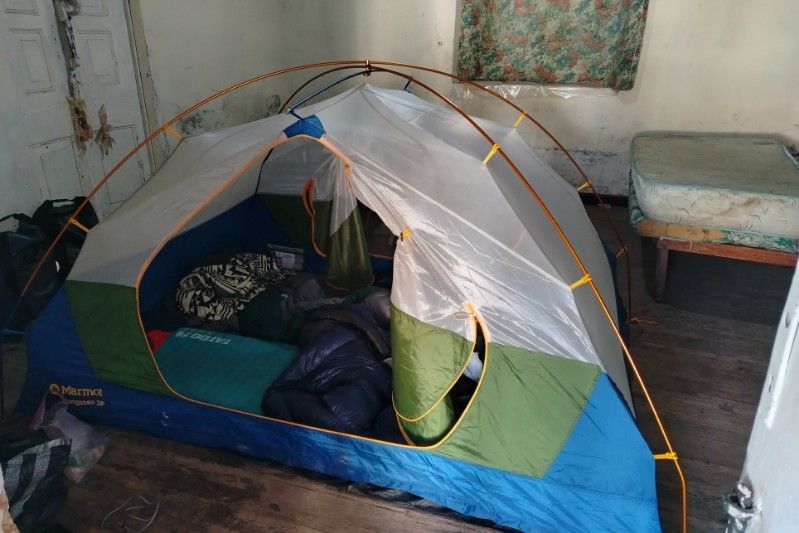
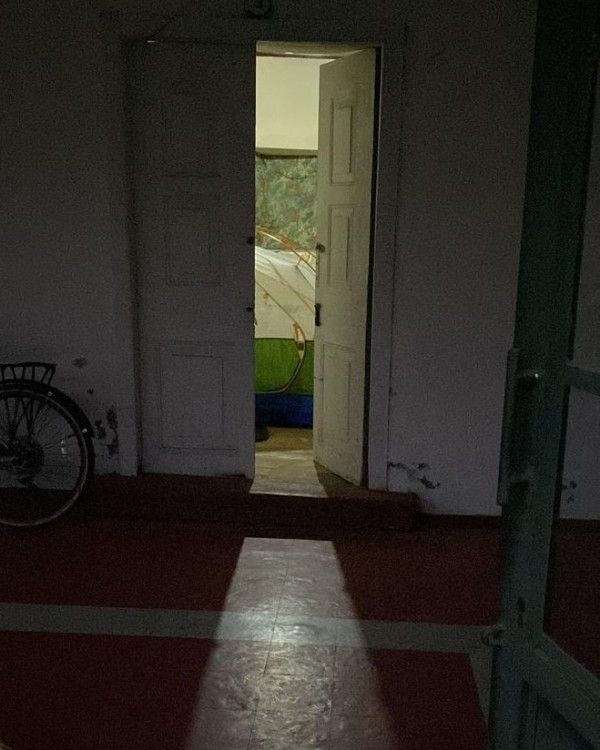
The whole building seemed to be forgotten, falling apart. I joked about how the place was probably haunted, which didn’t go down well with Raquel at all.
We switched the light off, and after a few minutes Raquel’s phone randomly unlocked itself and started doing things all on it’s own, which it had never done before. We both absolutely shit ourselves and I immediately turned the light back on.
I eventually fell asleep, but Raquel remained awake all night, listening for evil happenings.
People often ask me if I feel scared camping out in the middle of nowhere, and honestly I’m usually pretty good at just chilling out and not paying too much attention to noises that don’t have a human origin. But, that halfway-derelict university in Chuquibambilla definitely gave me the willies.
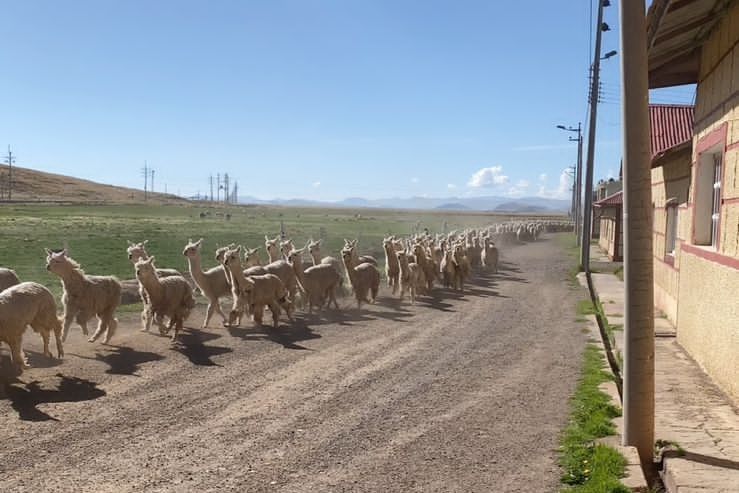
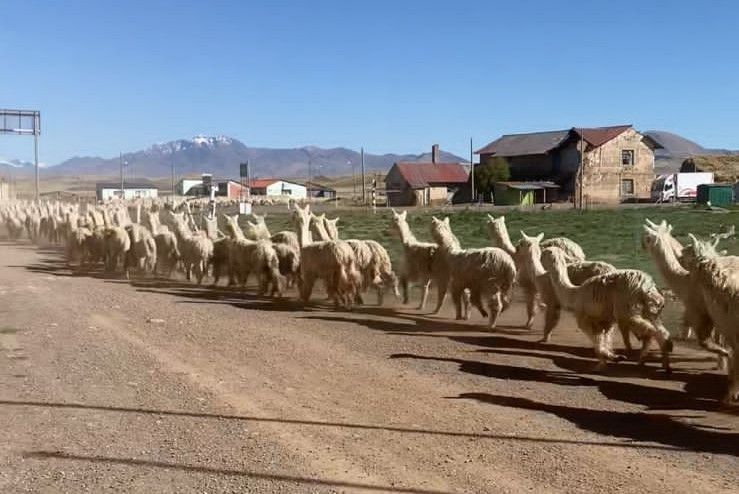
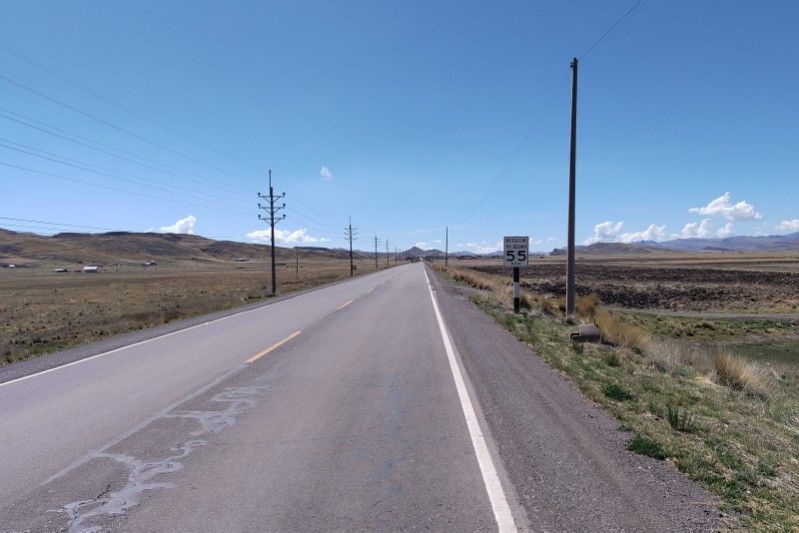
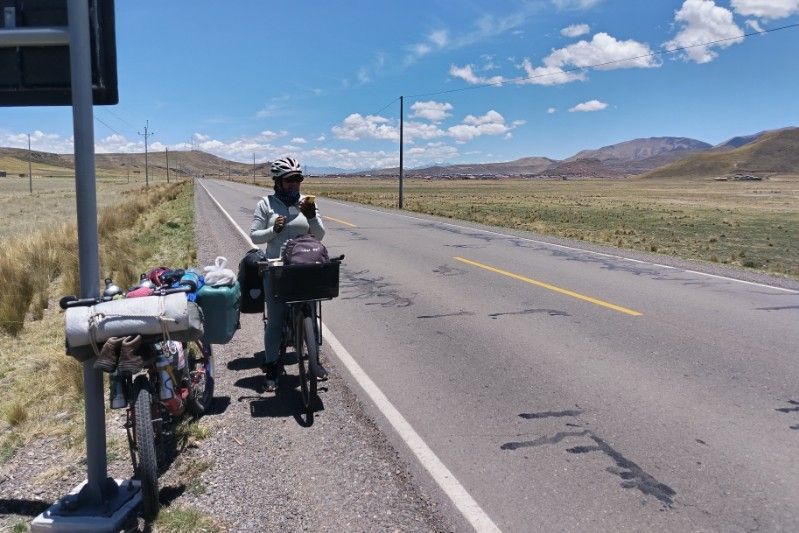
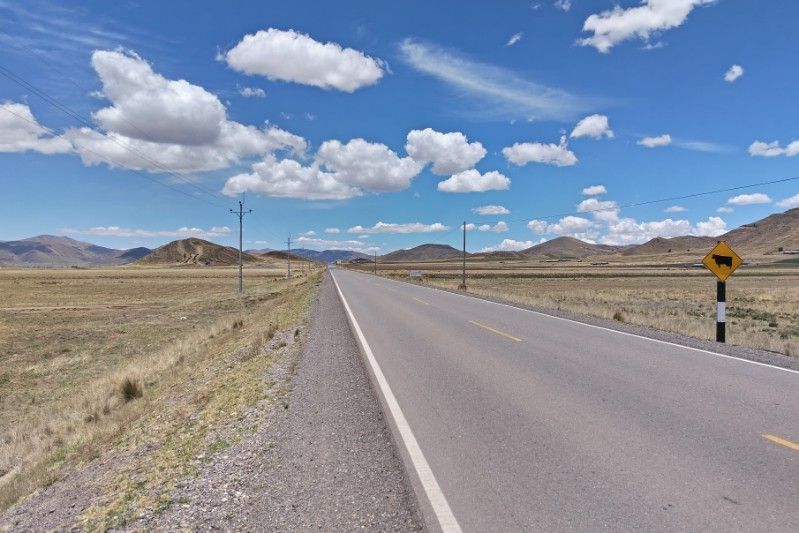
We settled into long, straight, flat roads for the next couple of days. This was our first taste of altiplano (high plateau); we were still well up in the 3800’s and 3900’s of meters above sea level, but without the twisty two thousand meter ups and downs that had eaten up so much of our time on the road to Cusco.
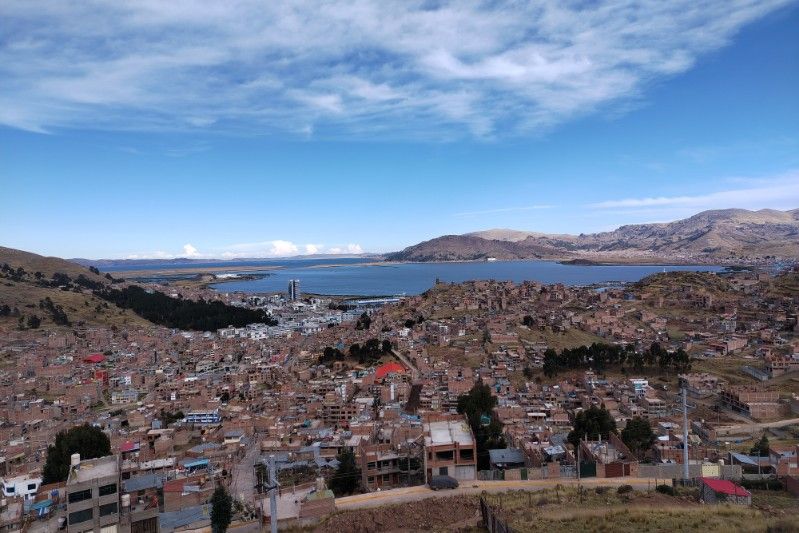
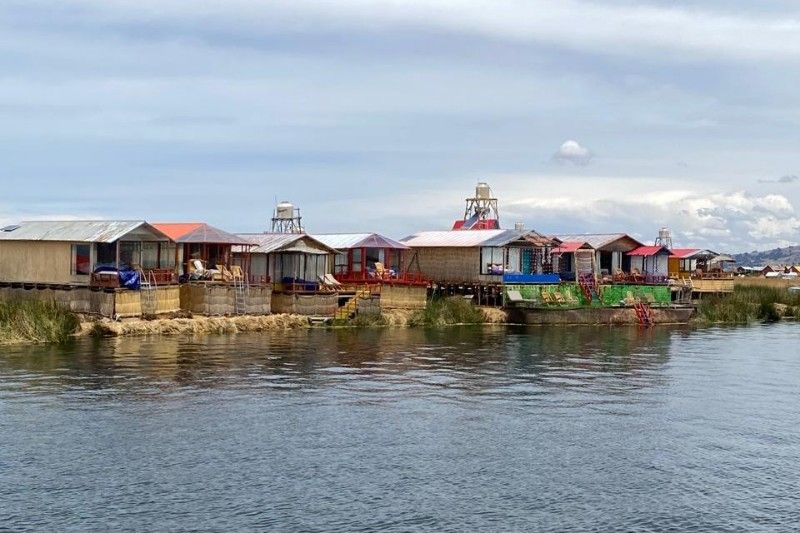
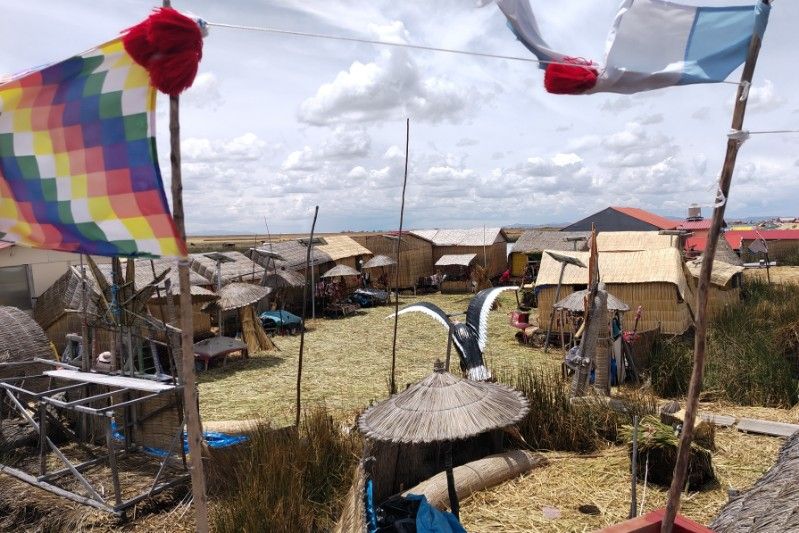
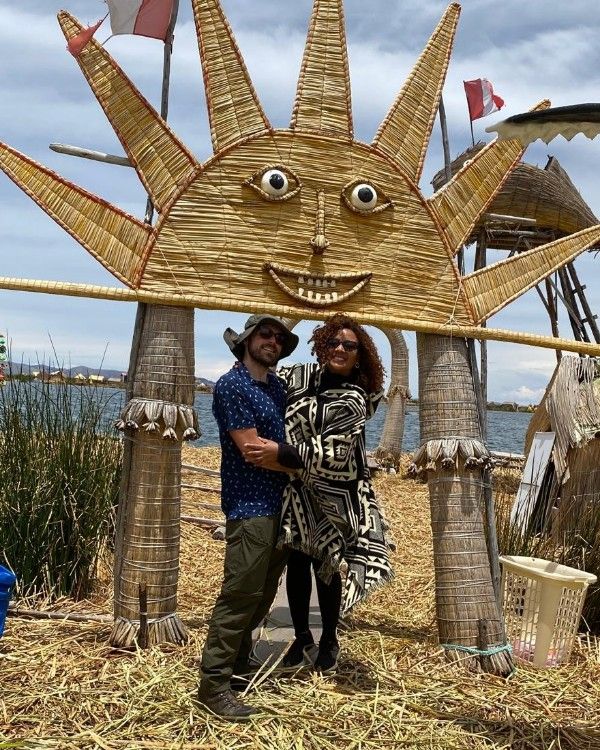
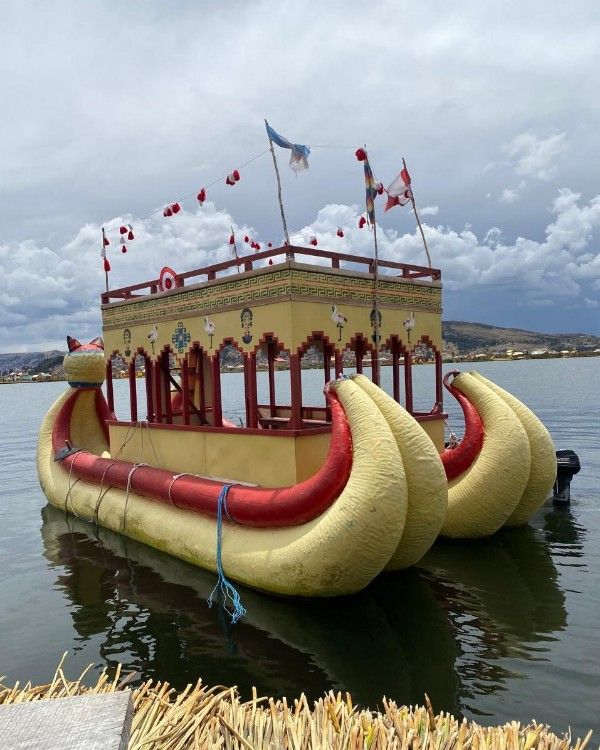
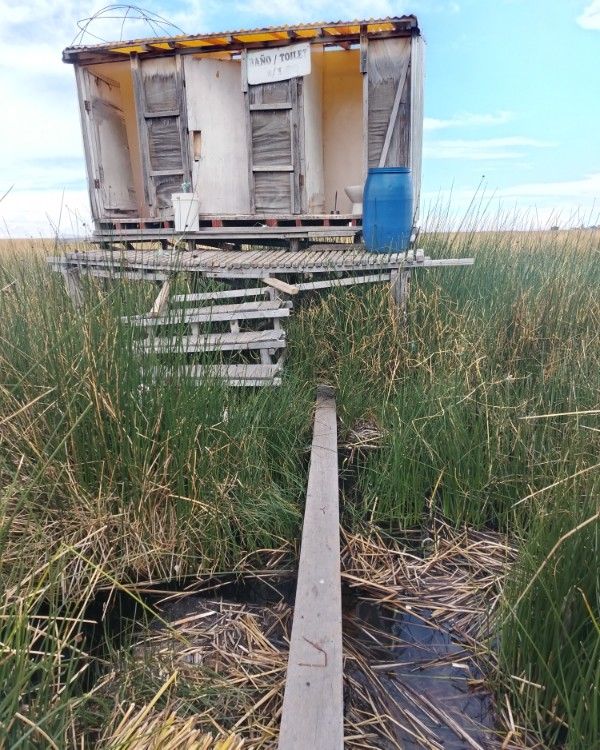
To make up for not doing Machu Picchu, we decided to go all out on our visit to Lake Titicaca, and booked a floating Airbnb for a couple of nights.
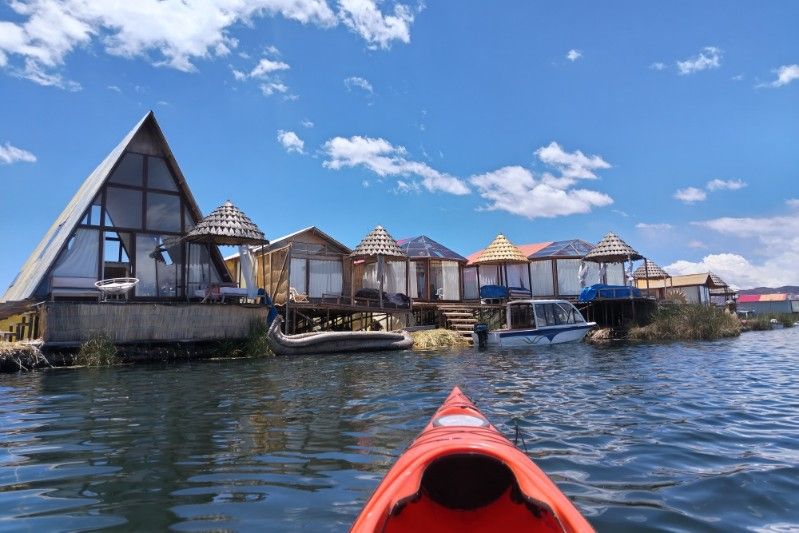
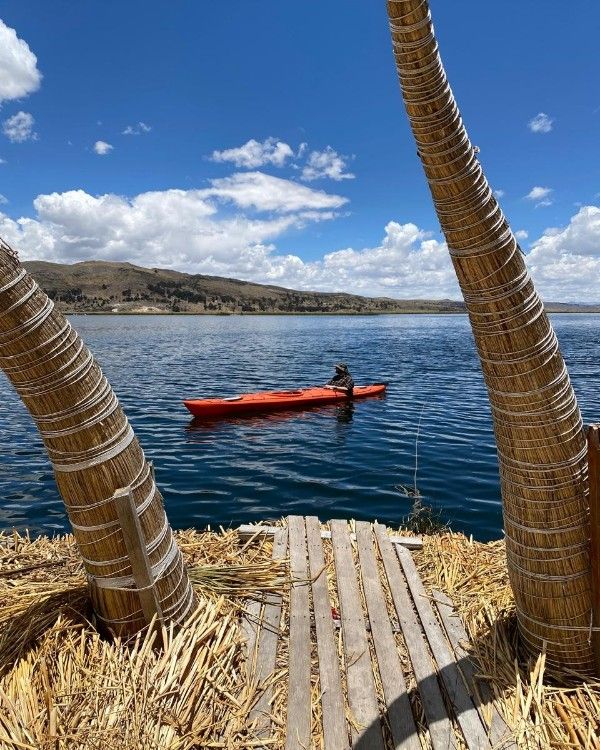
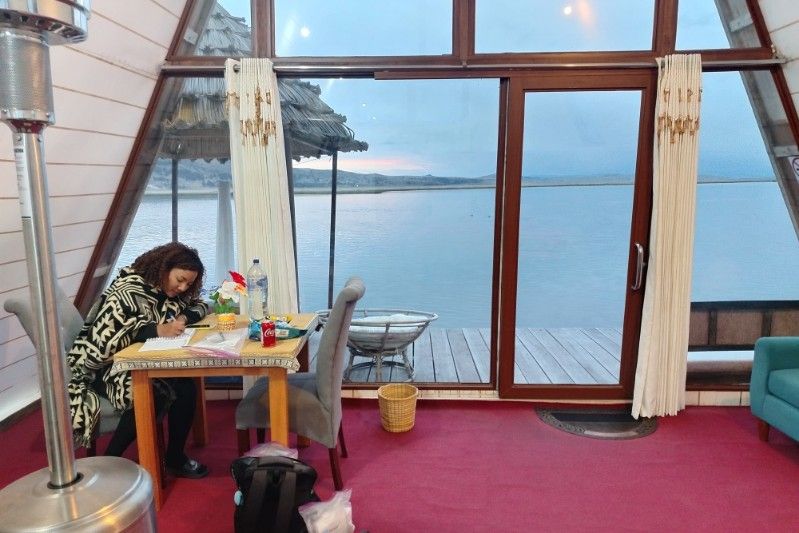
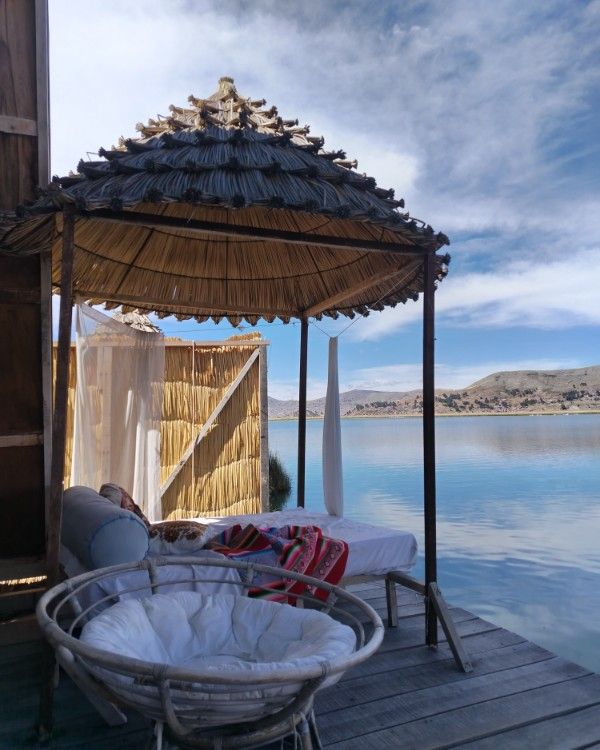
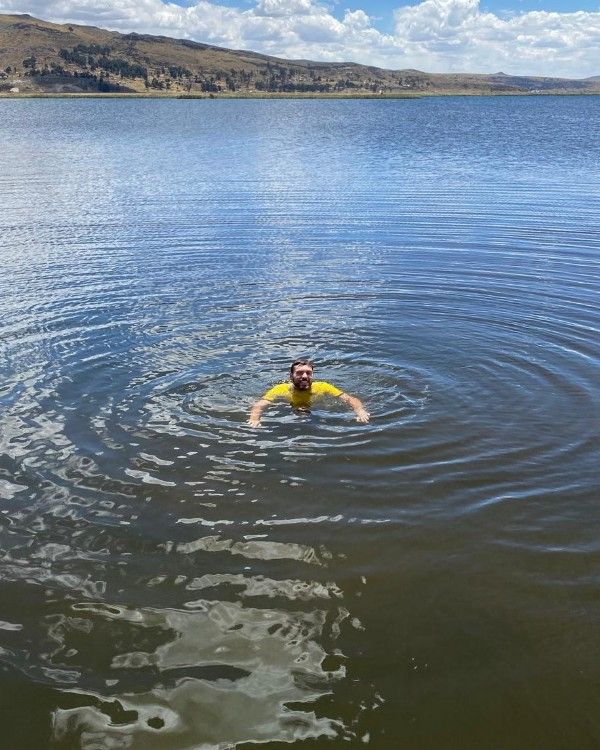
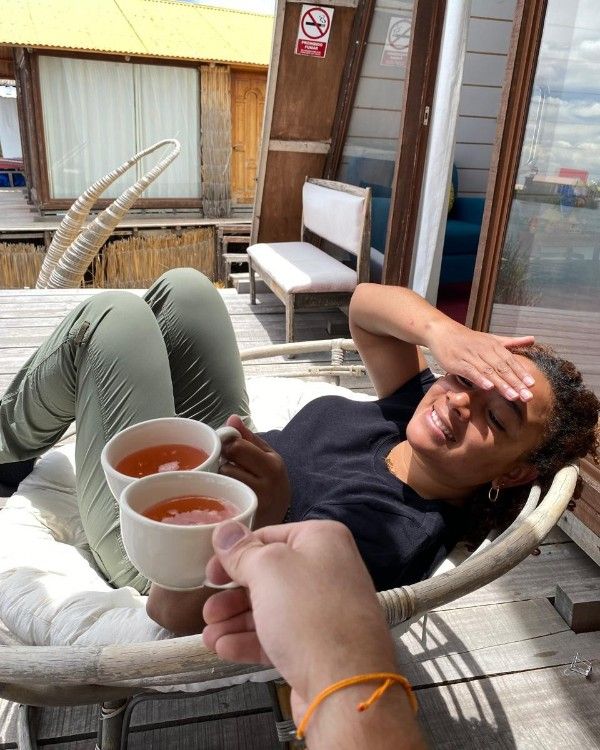
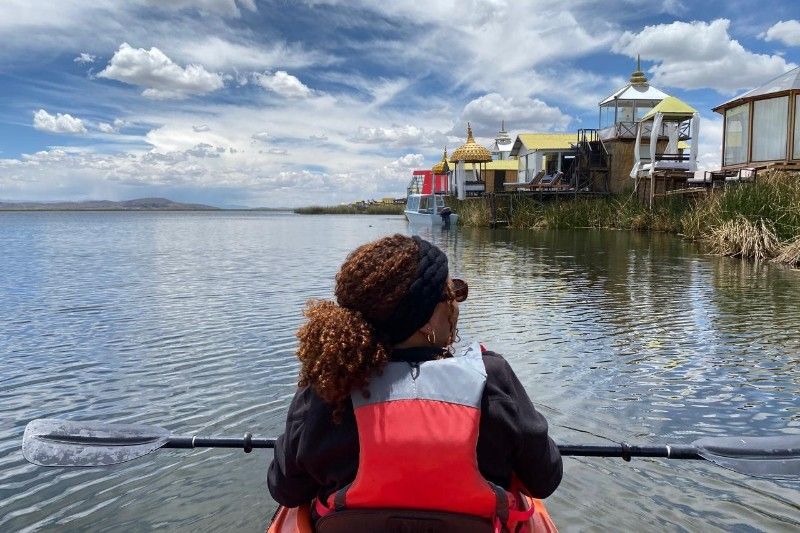
About two thirds of the Urus islands seemed to be floating Airbnbs and hotels for tourists. It’s pretty much blown apart the traditional lifestyle of the islanders, but they are happy for the money.
Chatting to our host and several of the islanders, it sounds like things were very different in their parents’ generation. The men in the family would row out to the other side of the lake in the evening, and spend the whole night fishing, before putting the sail up to catch the prevailing wind back to the islands in the early morning. The men would then sleep during the day, while the women would head to the shore to barter their catch for agricultural products and other necessary things that just weren’t practical to produce on a floating island. The women would then spend the remainder of the day creating handcrafts to trade, and keeping the house in order.
Now this all sounds very rural and idyllic to me, coming from a world full of modern stresses, but in reality I reckon it’s bloody hard work, and subsistence doesn’t typically fill out the bank account.
Can we really blame the rest of the world for wanting to have the same quality of life that we enjoy in the west?
So these days tourists are the catch of the day; The traditional Aymara life is still very much alive and kicking, but they have adapted. Nowadays both the men and women in the family are employed in the fabrication of traditional handcrafts, which they sell to tourists, when they aren’t occupied with the upkeep and service related to tourist accommodation.
Trout were introduced to Lake Titicaca several years ago, and they rapidly ended up dominating the ecosystem, outcompeting their smaller, native counterparts. Trout are among the most lucrative animal products that you can sell in Perú.
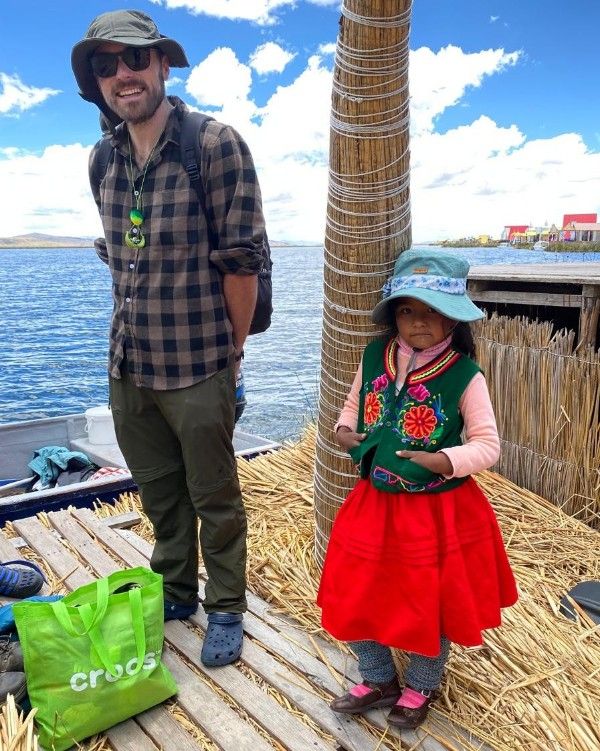
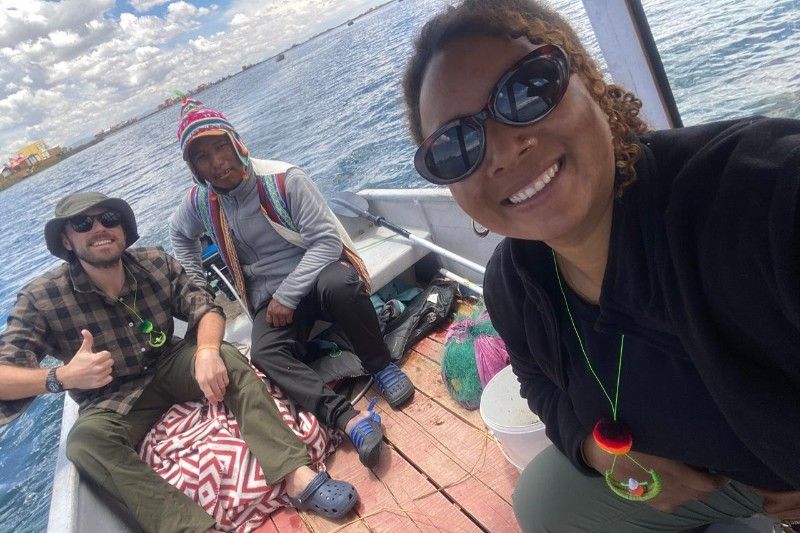
I tried to greet the locals in Aymara, but I haven’t progressed beyond ‘kamisaraki’ (hello, how are you?), and ‘waliki’ (well, good), which isn’t much use when I get a rapid fire response in the language. Most of the time they just respond in Spanish anyway.
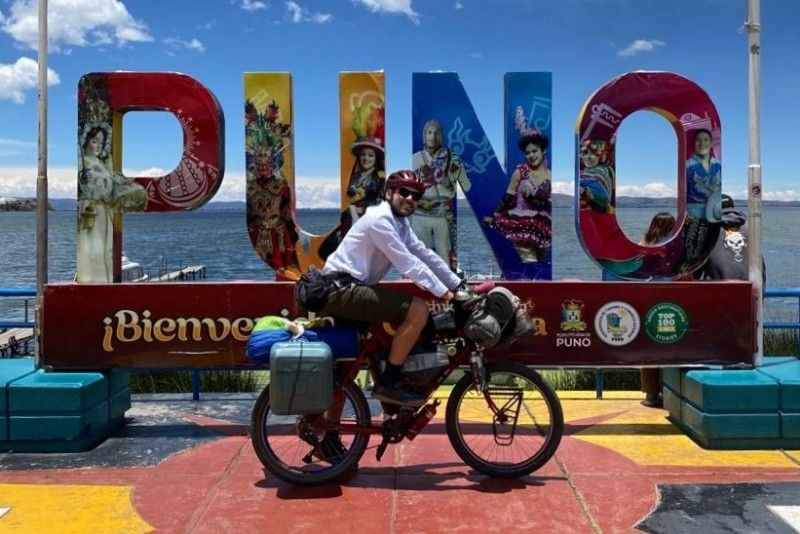
Eventually we had to say goodbye to Nelio and his family, and return to our ‘chamba’ (job, work). We got the bikes loaded up with all of our bits and pieces, and began to pedal our way to Copacabana, Bolivia.
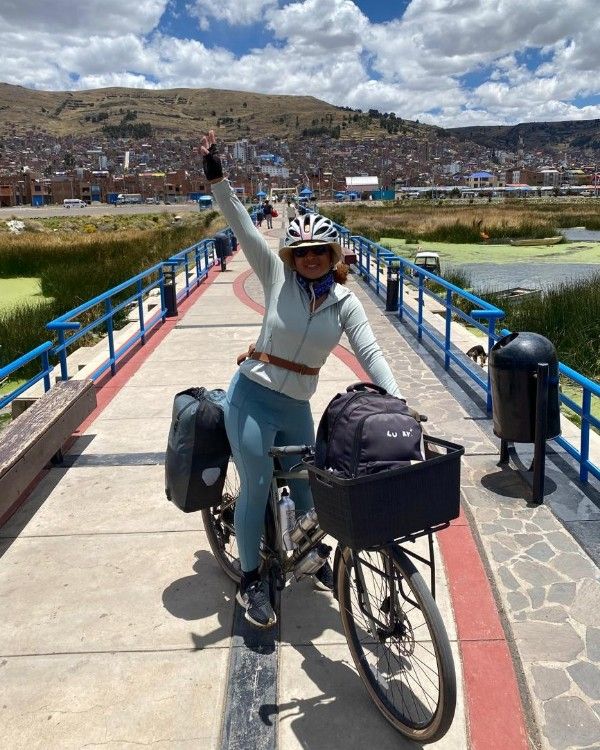
We made it an hour or so, before Raquel’s chain got jammed between the cassette and the spokes. I gave it a few tugs to try and pull it out, but was instead rewarded with the dreaded clunk. Her derailleur hanger had snapped.
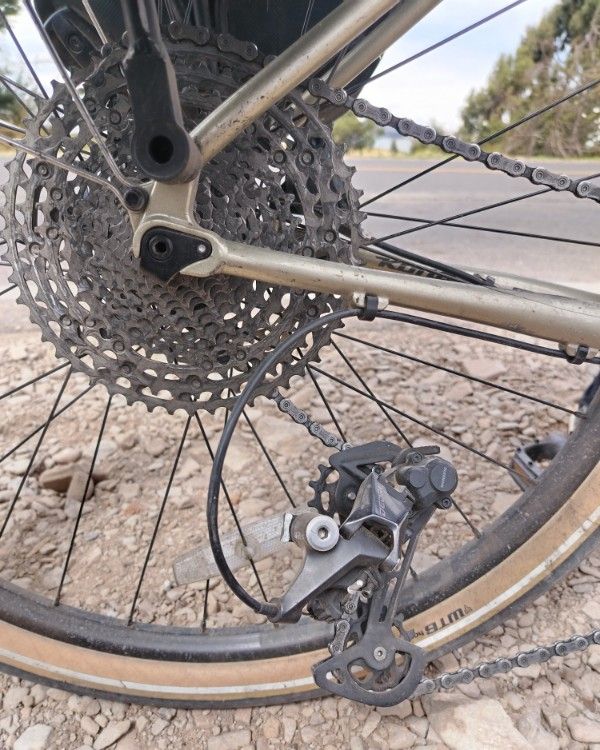
We didn’t have a spare. When we bought the bike second hand in Huaraz it had come ‘as is’.
‘Well, that’s us finished for two weeks’.
I removed the derailleur and shortened the chain to make her bike singlespeed so that she could at least pedal in some kind of fashion.
I floated the idea of carrying on to Boliva in this fashion, but singlespeed is heavy work, especially with luggage, and Raquel understandably wasn’t interested.
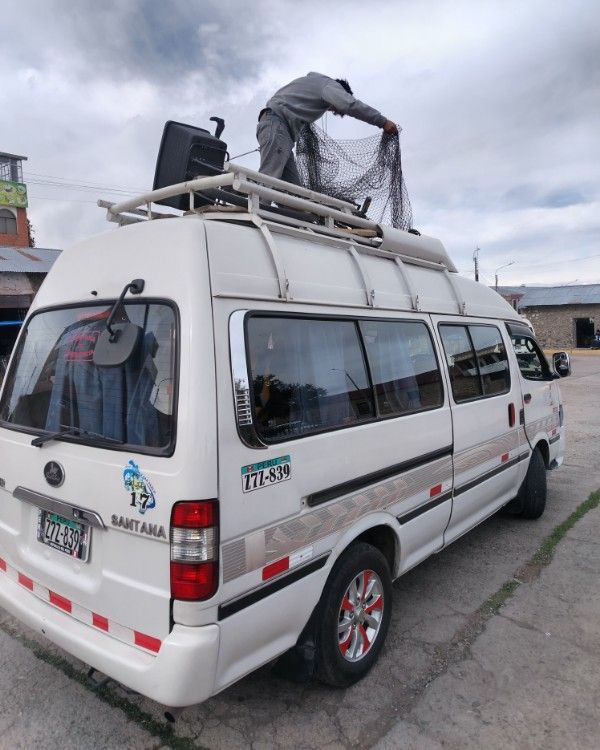
Miky the mechanic had drawn our attention to the state of Raquel’s hanger back in Cusco. He had said that it seemed soft, ready to break.
I had already been making inquiries with various suppliers in both Perú and Bolivia. Now we had reached the critical point, and all of my leads in both countries were coming back saying that there was absolutely zero chance of sourcing the part locally. Time for another expensive overseas order…
Marcelo, our future Warmshowers host in La Paz told me that it would be a really bad idea to send anything to Bolivia. The country was still in a bit of a mess after all the recent political unrest. Much better to ship things to Perú or Chile and then bring it over the land border. Perú then.
I found Raquel’s hanger easily enough on Kona’s official website, but they won’t ship directly to Perú. So I wound up with a third party business in Colorado, USA that makes CNC copies of OEM hangers, and they were happy ship to us via FedEx.
It was going to take a while for the parts to reach Puno, and we had long been ready to leave Perú for something new. We had both already overstayed our respective visas, and didn’t want to rack up an even bigger fine. So why not go to Bolivia and mess around over there for a bit while we wait?
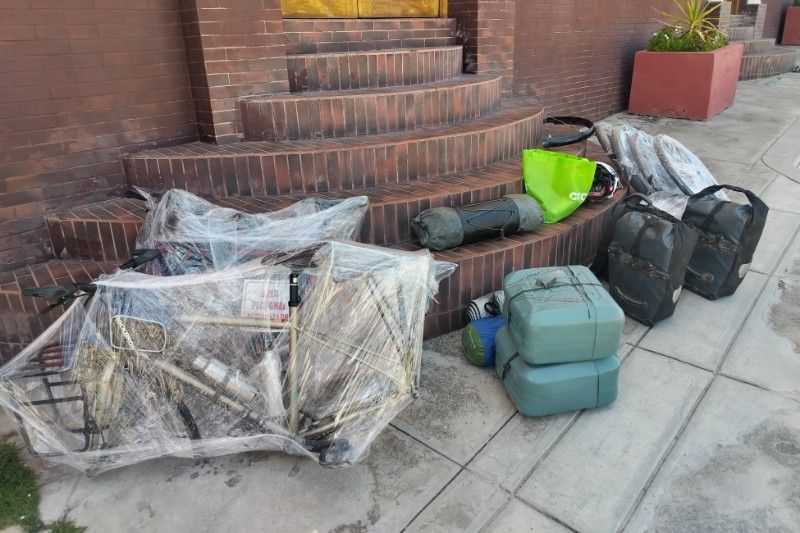
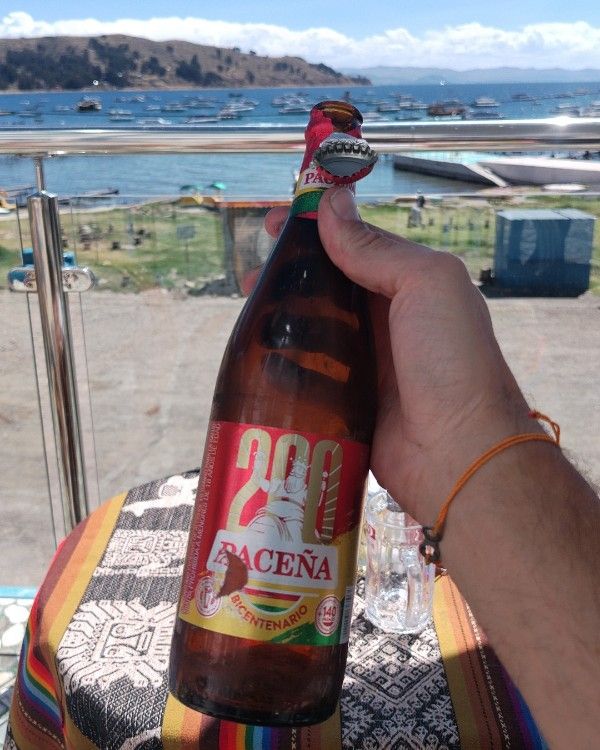
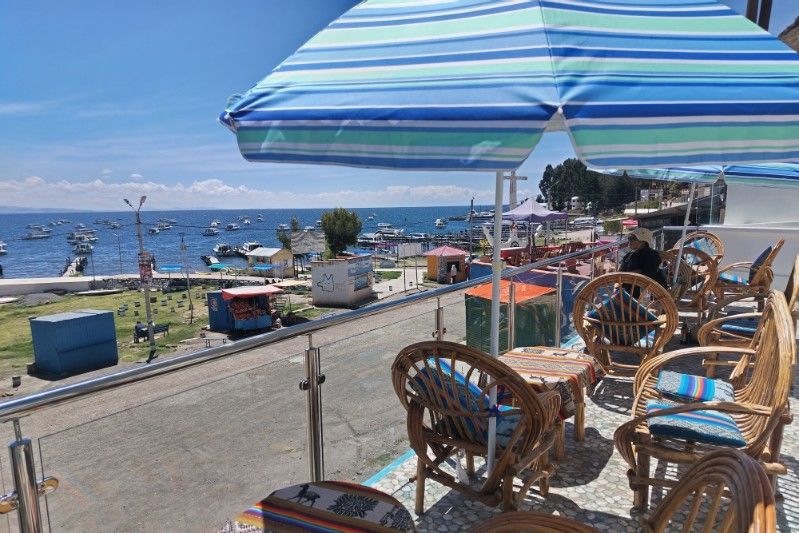
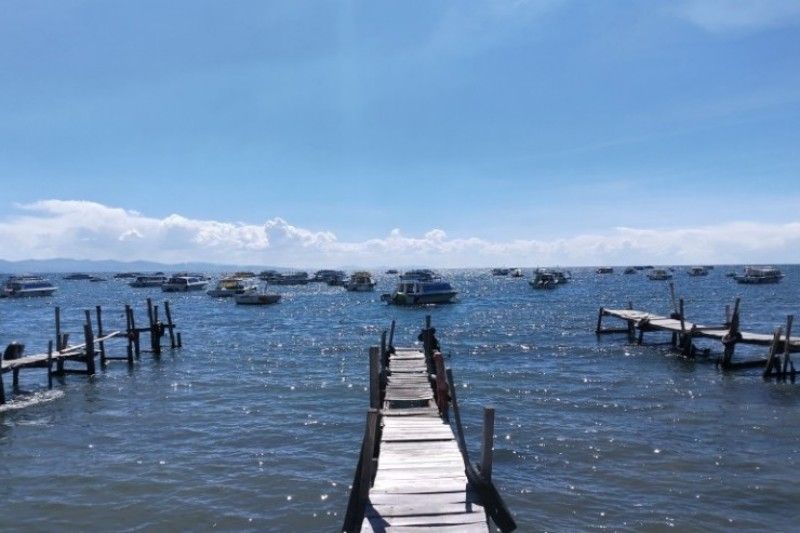
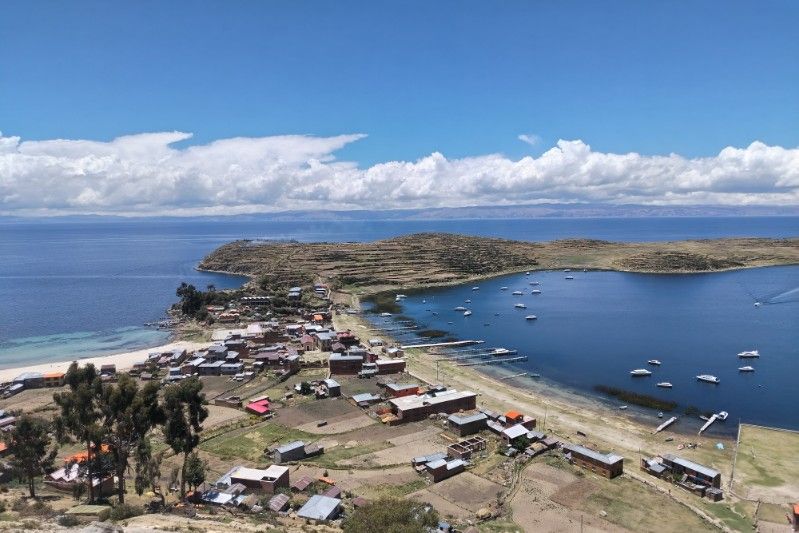
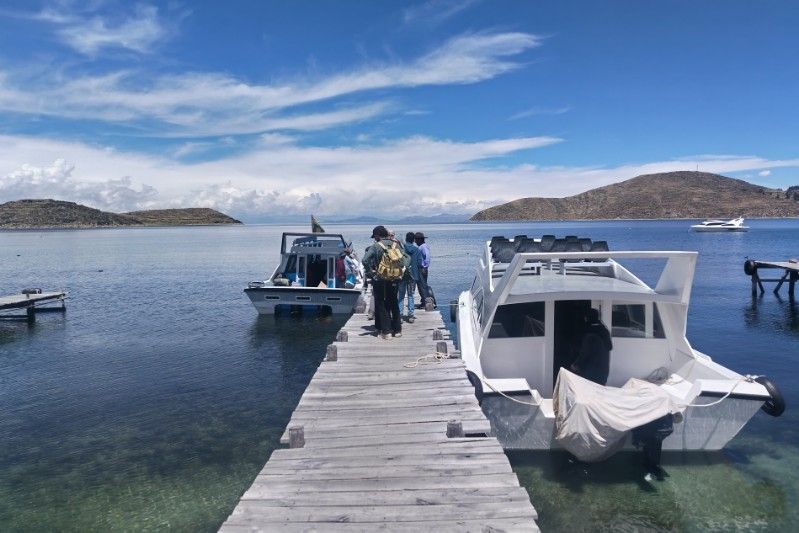
The port at the beach in Copacabana.
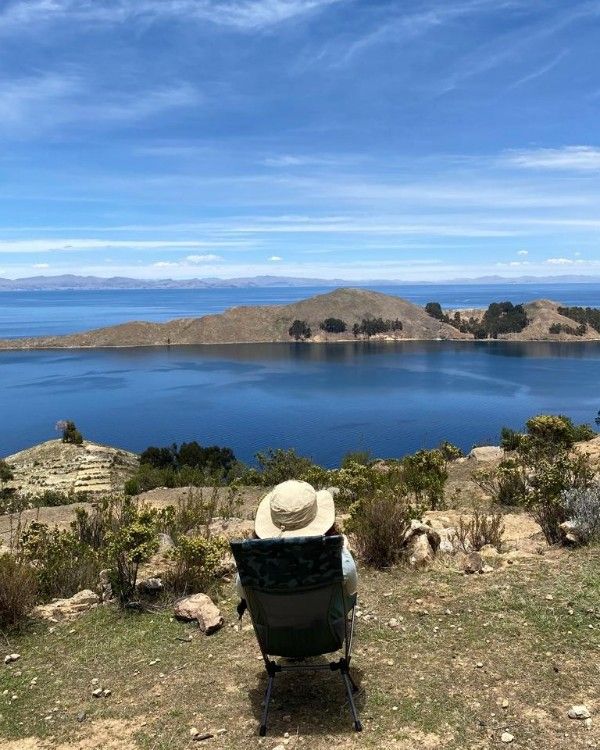
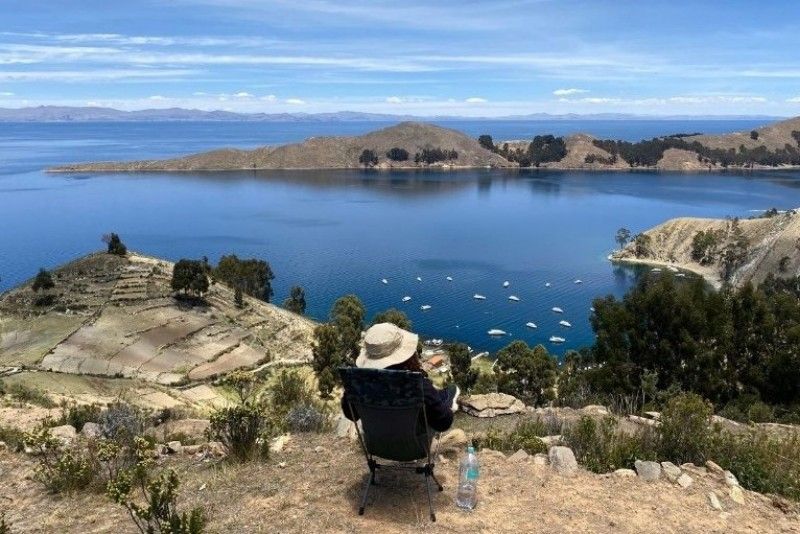
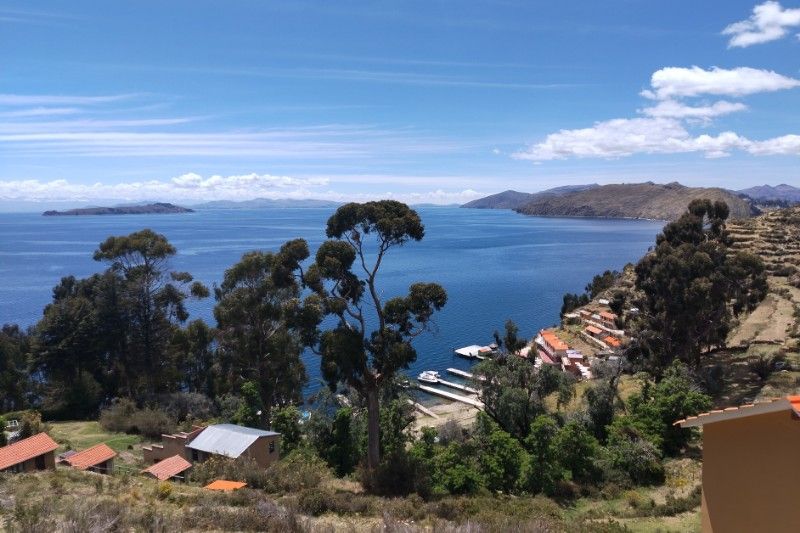
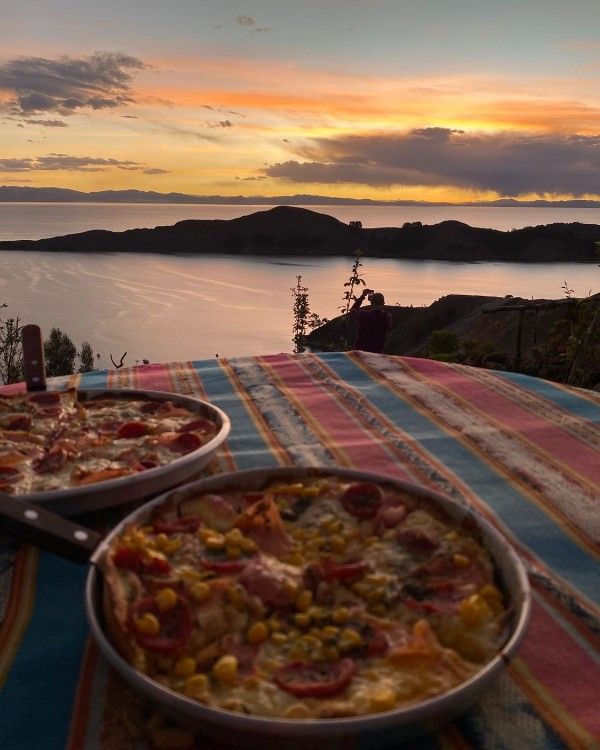
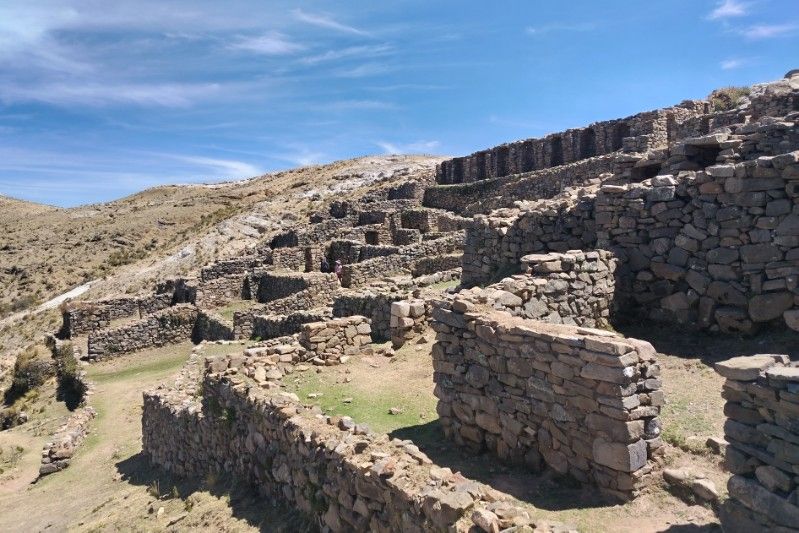
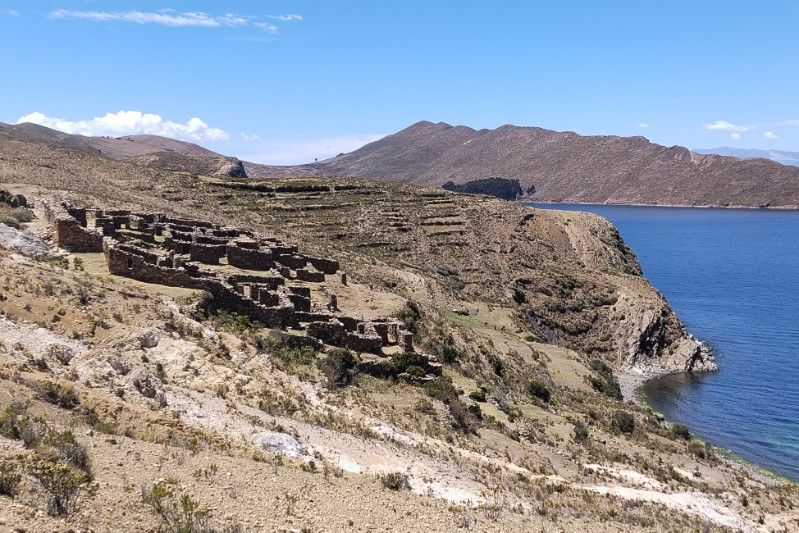
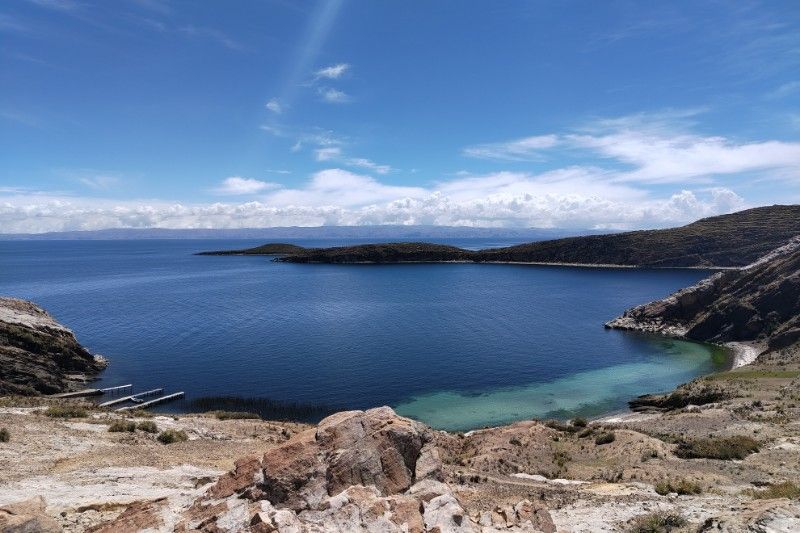
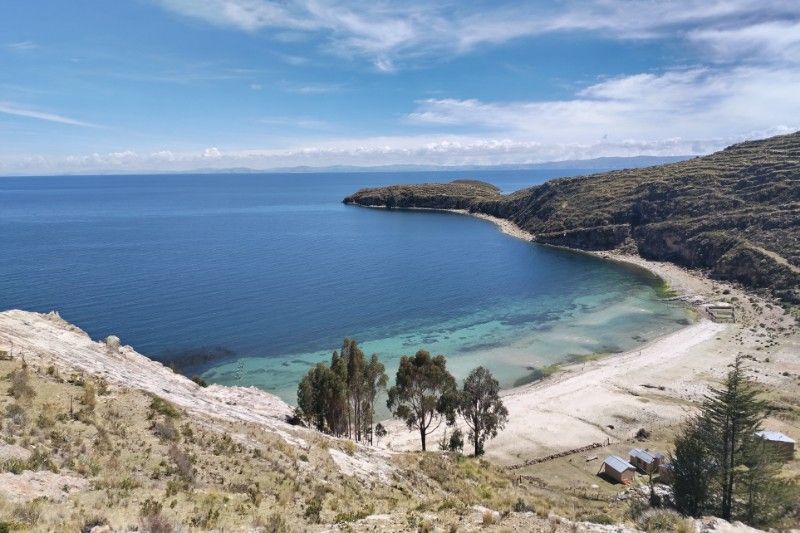
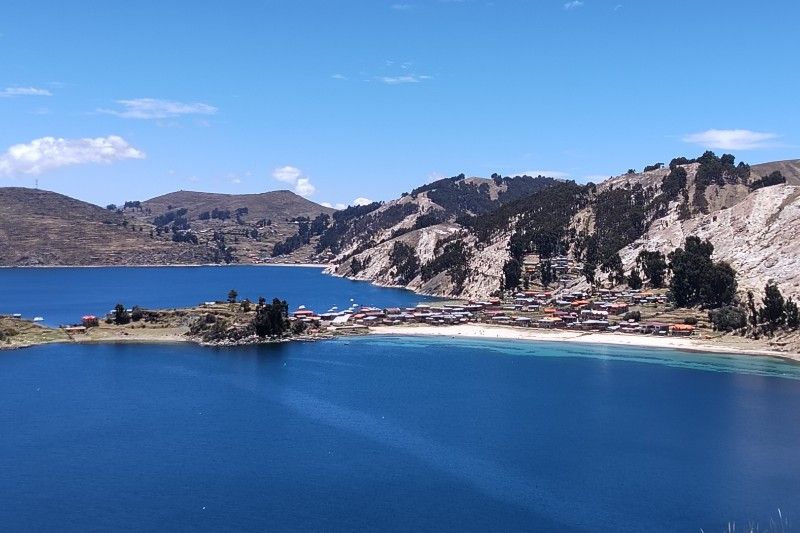
Apart from sitting around drinking cocktails and eating pizza, the only real attraction in Copacabana was to catch a ferry over to visit ‘Isla del Sol’.