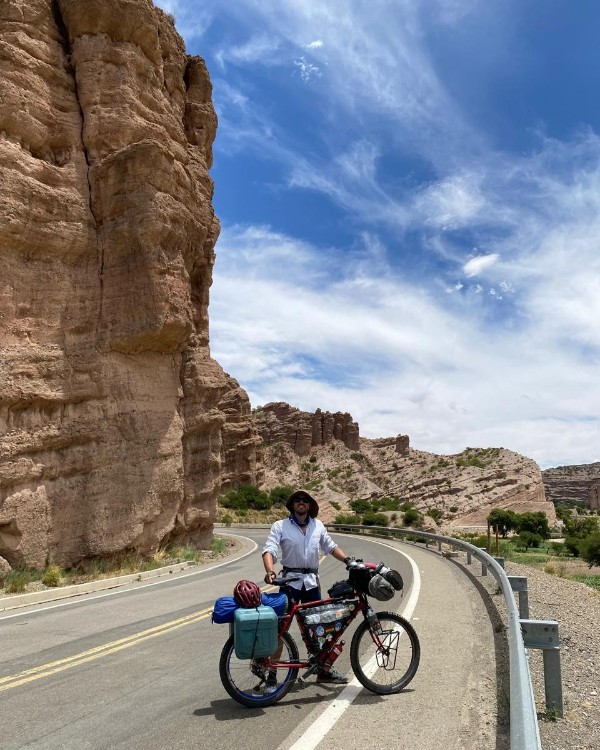
Rainy season had come to Bolivia, all over the news they were talking about landslides closing roads, and floods destroying villages in the amazonian regions. We really wanted to be in Argentina for Christmas, so we decided to take the quickest and most direct route possible down the country.
So let’s get on with it!
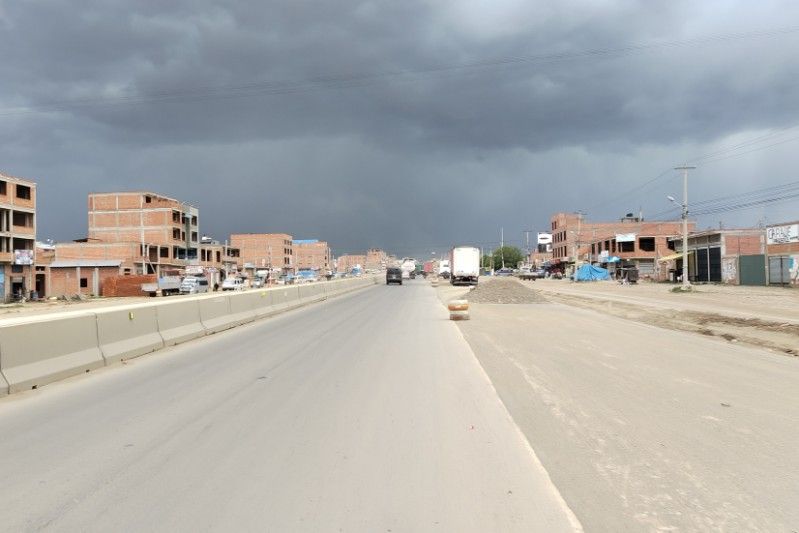
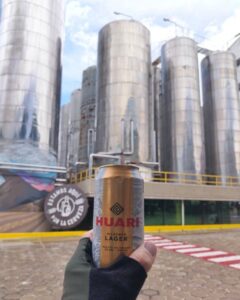
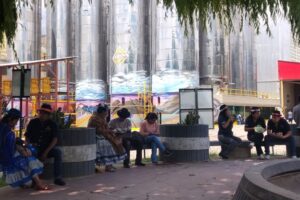
Everyone was trying to drink as much Huari as possible, and things started to get a bit rowdy by noon.
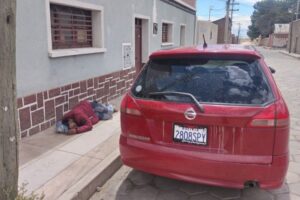
It was a good moment to get back on the road. Hopefully there weren’t too many drunk drivers coming up behind us.
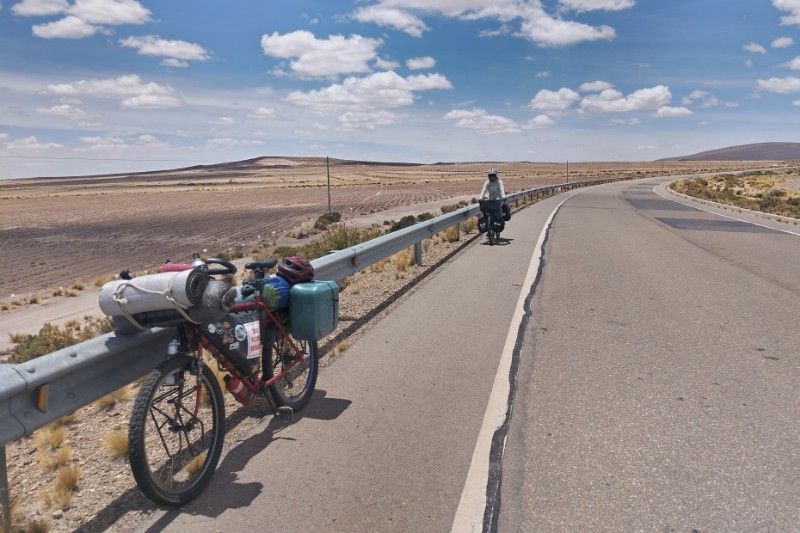
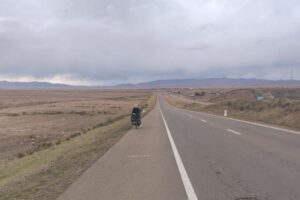
The road wasn’t technically challenging, but we needed to stay focused, spin a high gear at a decent cadence, and keep taking big bites out of the remaining distance to Uyuni.
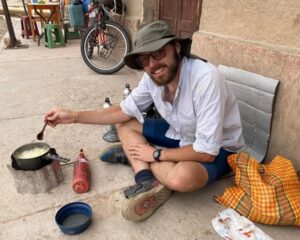
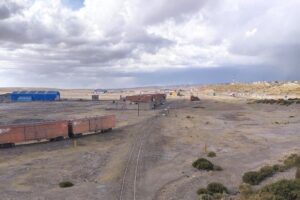
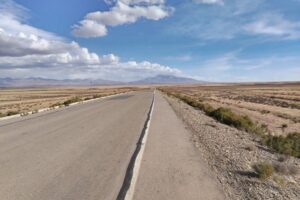
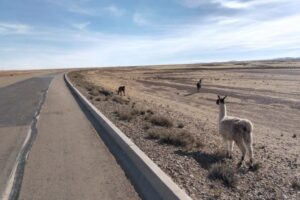
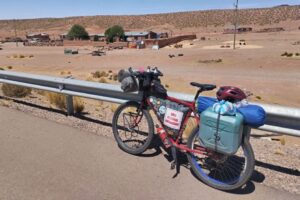
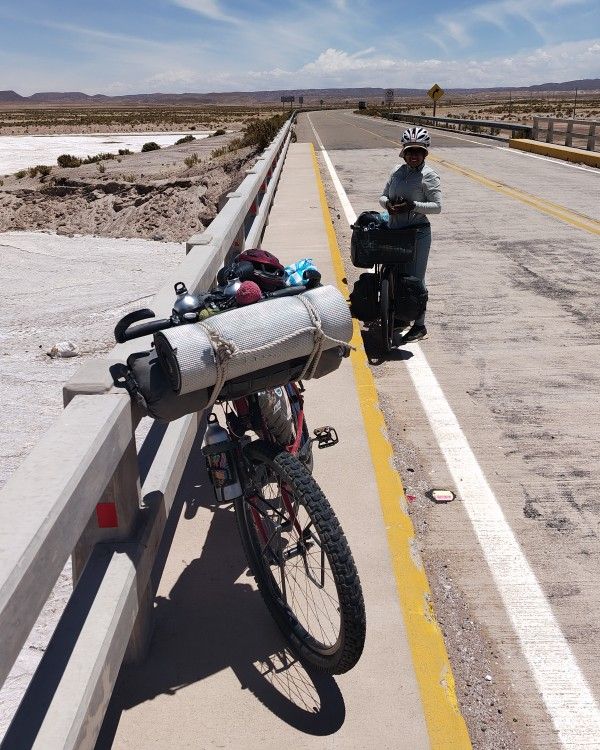
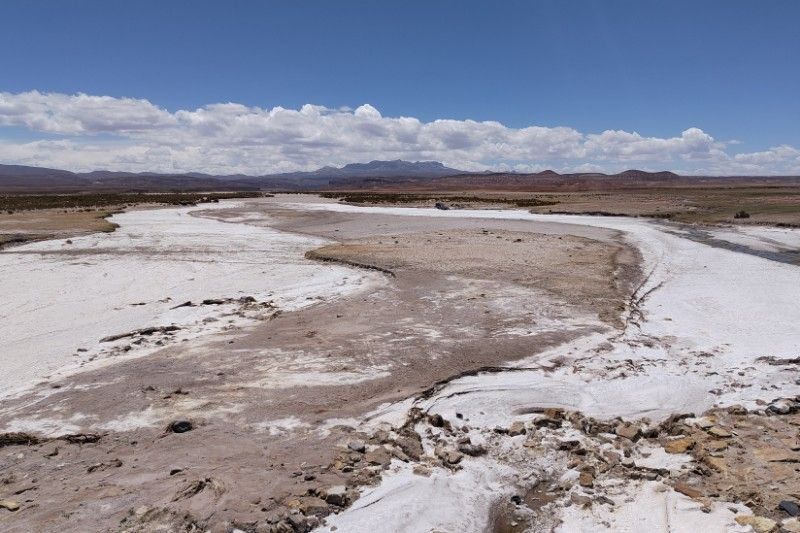
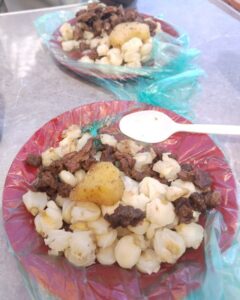
We rolled into Uyuni, bored, sore, and eager to enjoy all of the fruits of civilisation.
We left the bikes in our hotel, and caught a bus over to Sucre, to do a spot of bog standard tourism.
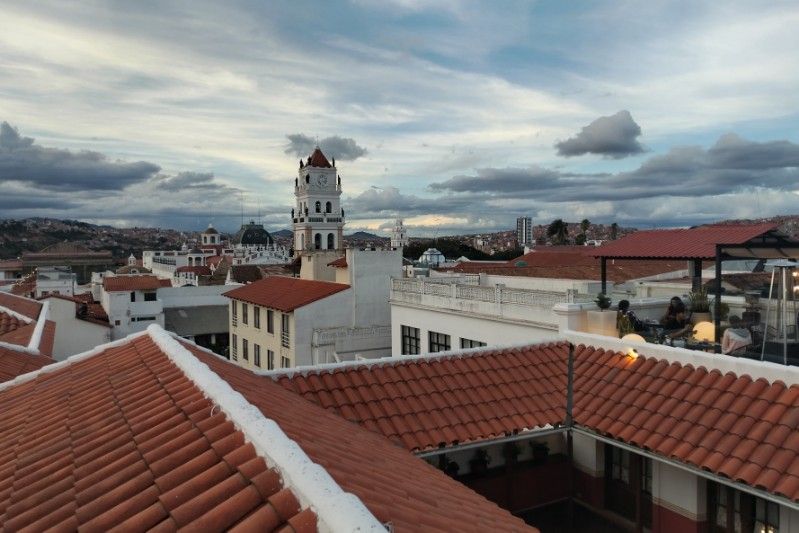
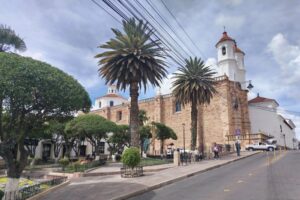
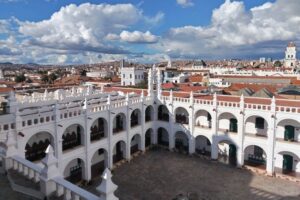
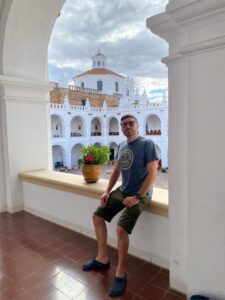
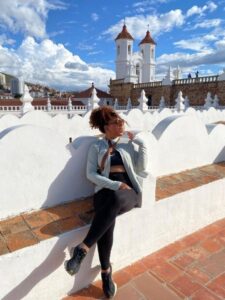
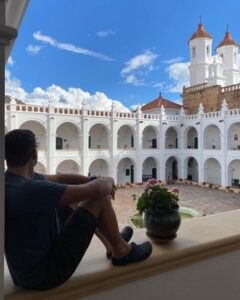
Sucre is the administrative capital of Bolivia, and it served as the seat for the royalty up until the early 20th century.
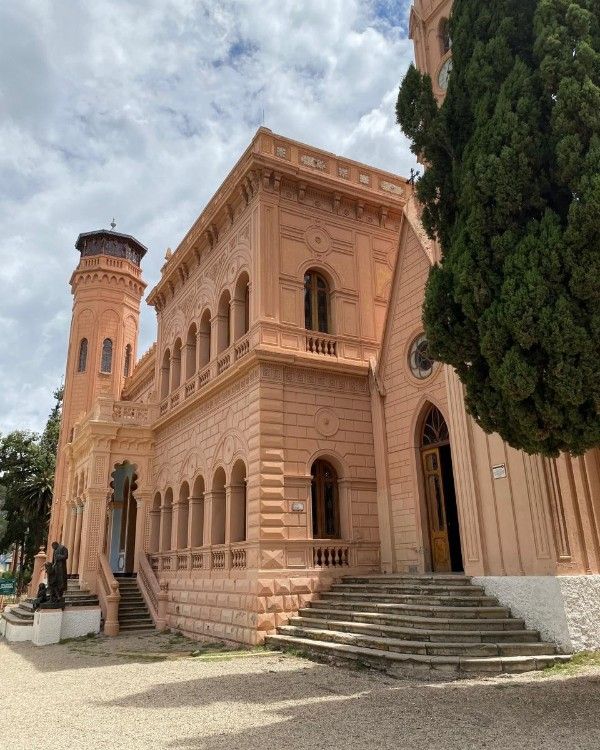
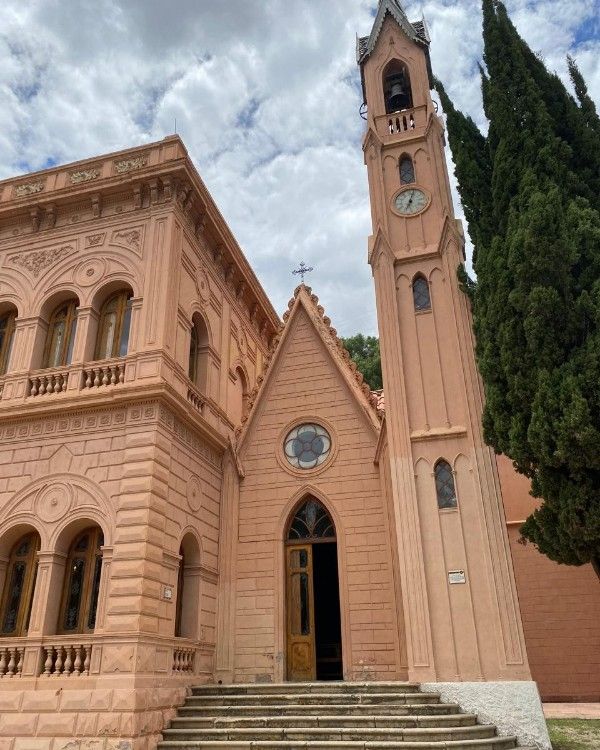
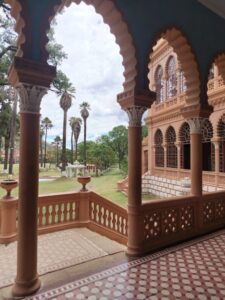
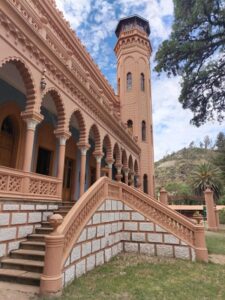
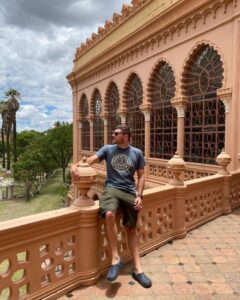

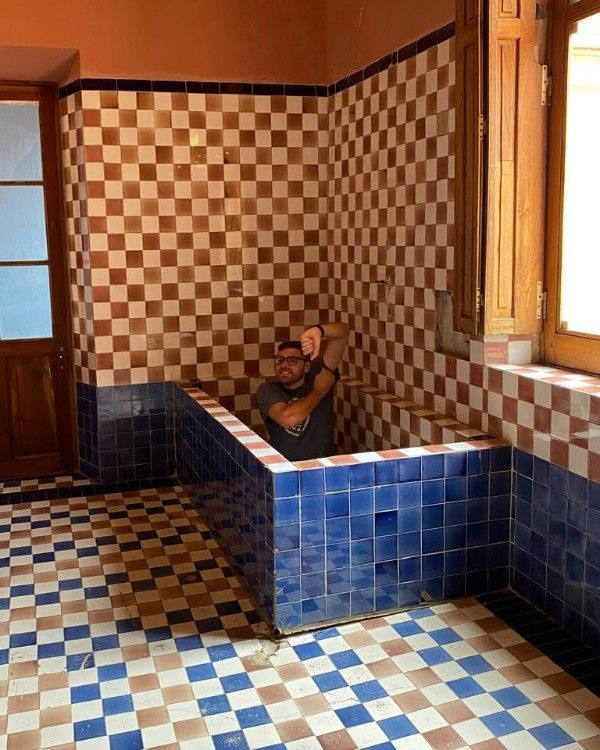

We had to drag ourselves away from Sucre. Without doubt one of the most beautiful cities in South America. Definitely come and visit if you have the chance!
Back to Uyuni.
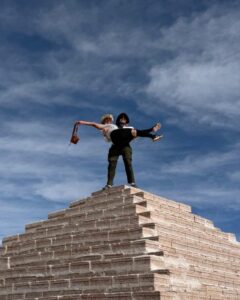
We wanted to do a guided tour of the Salar.
I’d already spent 3 days out on the salt flats watching the occasional race car go past (see my previous blog post), but this would be Raquel’s first time on the salt.
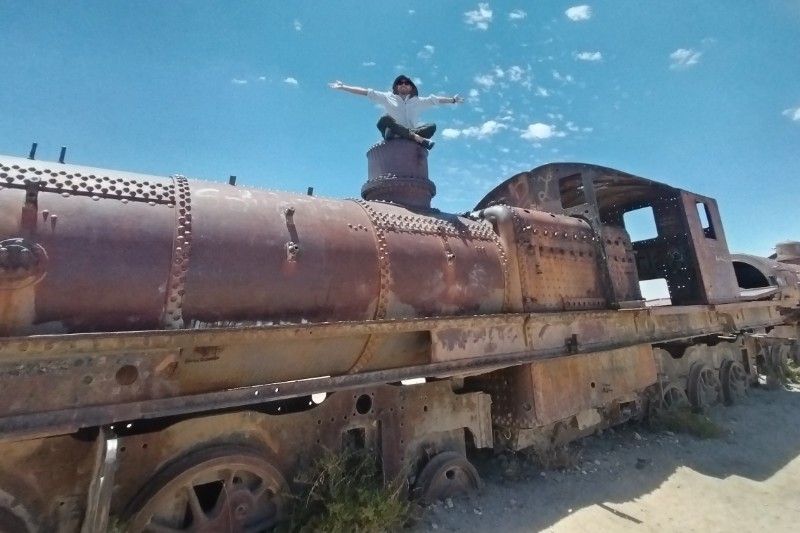
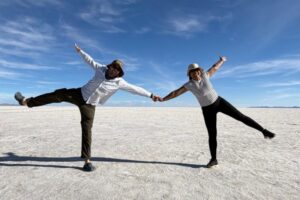
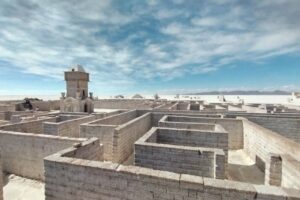
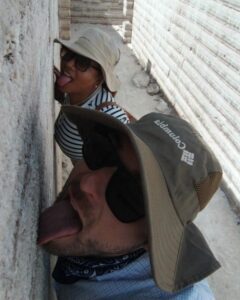
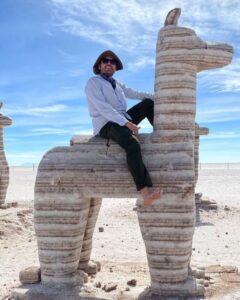
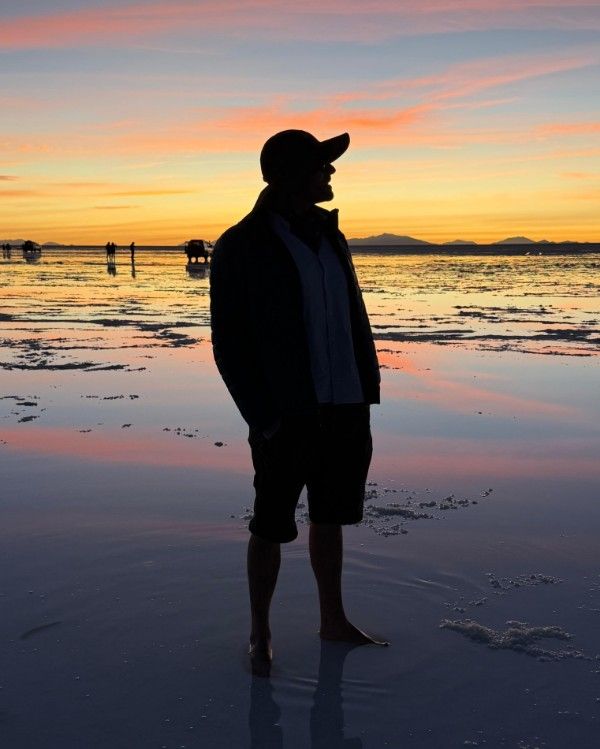
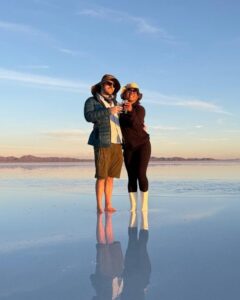
We rode the bikes onto the Salar the next day, and were rewarded with an even better sunset.
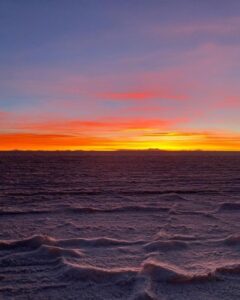
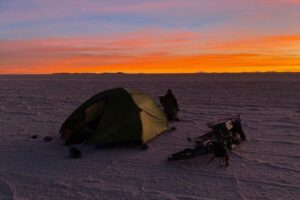
Well, at this point we had used up a big chunk of time being tourists, now we really needed to get a move on. Argentina for Xmas!
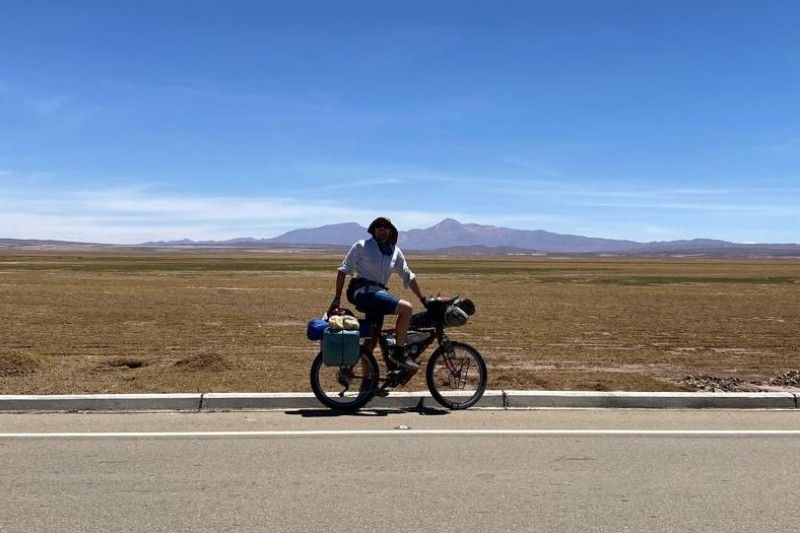
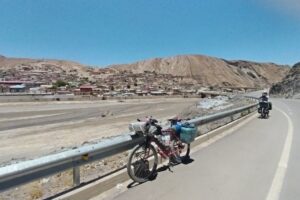
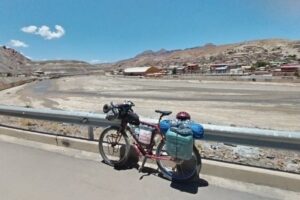
The road got hilly on the way to Tupiza. It was sweltering hot, which made climbing a bit more gruelling than usual.
After a while we began a long steady descent down into Tupiza.
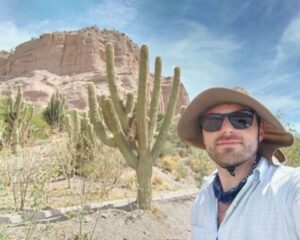
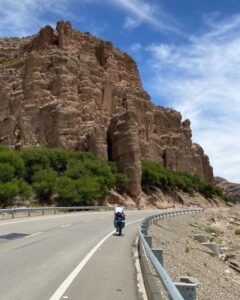
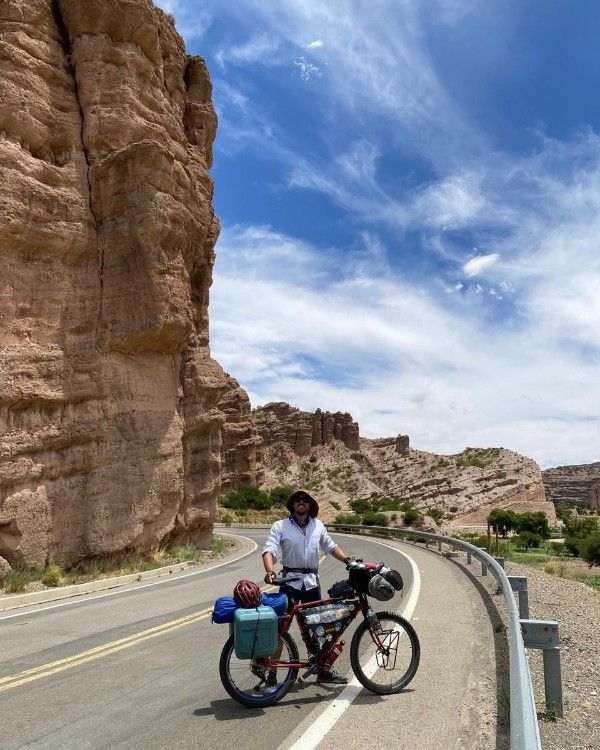
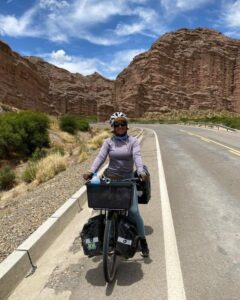
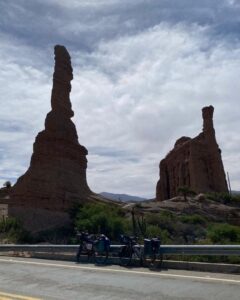
We finished the last stretch of riding to Villazón, at the border with Argentina. Time for a new country!
Bolivia is one of the poorest nations (GDP per capita) in South America, coming in just behind Venezuela.
The Bolivian economy is completely dependent on primary industries, mostly mining and oil exploration. It’s incredible that the economy is doing so badly here, considering that they have an abundance of everything that an increasingly technological world is hungry for. There’s a very good chance that the rare earth metals within the device that you are reading this on originated in a hole in the ground in Bolivia.
The Salar de Uyuni? Underneath that huge salt lake lies the largest single deposit of lithium ore on the planet, with estimates ranging wildly between 20% and 50% of total global deposits. I suspect that in the near future the global demand for lithium batteries in the green revolution will lead to the defacement, and eventual loss of this unique natural wonder.
Seeing the way in which people get through the day here has been eye opening for me. The level of rural poverty is staggering. In the west we have a tendency to idealise the concept of a peaceful, rustic lifestyle, but when your entire livelyhood is based upon your herd of llamas, things are far from ideal.
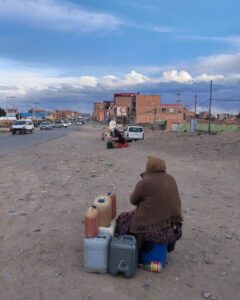
The national shortage of fuel is crippling the country at the moment, and has been going on for some time now. Virtually everything that we do in a modern economy requires petrochemicals, and they are absolutely essential for transport. These days Bolivians can’t predict the arrival of a heavy goods vehicle to within a week.
The availability of modern convenience is extremely limited. You might find the basics like bread, and cans of tuna, but many modern luxuries that you or I might take for granted are completely unobtainable. Trying to find fresh fruit and vegetables up in the altiplano was a real challenge. Food hygiene and personal cleanliness are among the worst that I’ve seen anywhere on the planet.
That being said, Bolivians have undoubtedly been the friendliest people that I’ve met since I rolled out of Quito on this journey.
I reckon that if you can tolerate a certain amount of discomfort, and maybe the odd stomach bug or two, this country has some truly incredible opportunities for adventure.