Raquel’s replacement derailleur hangers were due to arrive in Puno, back on the Perúvian side.
FedEx had done a fantastic job of getting them into the country: Our order had left the shop in Colorado, USA on Tuesday the 28th of October, and had already cleared customs in Lima on Friday the 30th.
And then it all went quiet.
We had been given a scheduled delivery date for the following Wednesday the 5th of November, so we made sure to be ready and waiting in Puno on that date.
Crossing back into Perú was a bit stressful. We had both overstayed our respective Perúvian visas on our last visit, and immigration was suspicious of why we were coming back so soon.
I told my border guard about the drama with the bicycles, and showed him the FedEx receipt, with the destination clearly marked as being in Puno.
Raquel was on the receiving end of similar enquiries from her border officer, but fortunately she was sat next to me, and so we managed to wing it, and received entry for 7 days each.
I don’t think a western country such as my UK, or the USA would have allowed us to wriggle our way back in having just overstayed our previous visas, so hooray, and muchas gracias Perú!
It turned out that the parcel was already in Puno, but the delivery driver had taken one look at the UK phone number on my billing address and refused to call it. He also refused to deliver the parcel without making the call beforehand, and then made no attempt to contact me via my email address that was associated with the order, or update the order status on the online platform, which was still saying that the package was in Lima.
We faffed around a bit on the phone with FedEx Perú for a couple of days, before finally getting the order into our hands, and then high-tailed it back to Bolivia as quickly as we could.
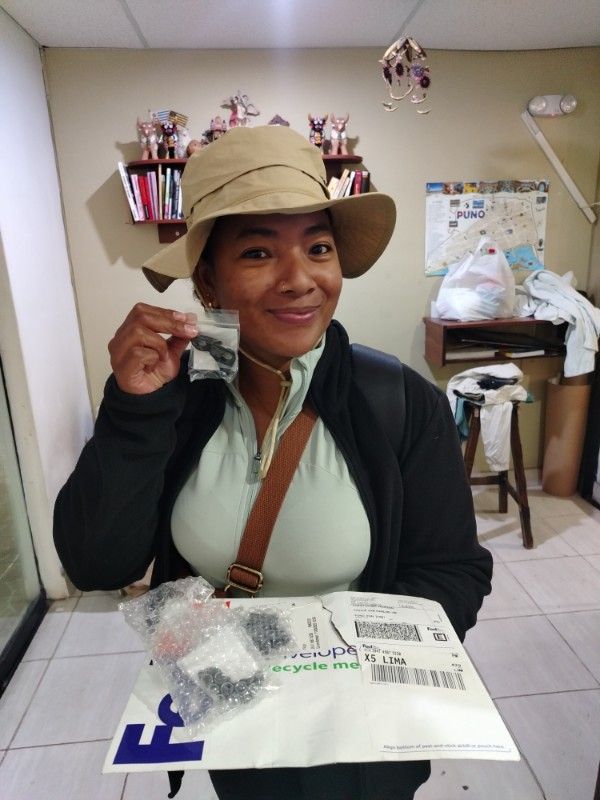
All that faffing around for a tiny piece of metal…
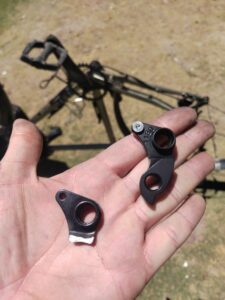
Time to get back on the road ASAP.
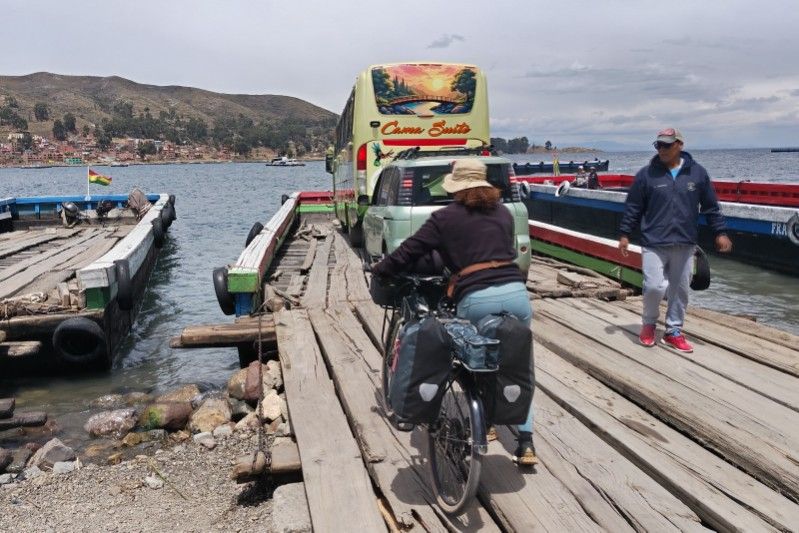
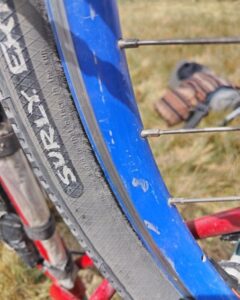
I tried my best to gently nurse the bike over the remaining kilometres.
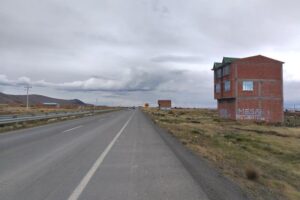
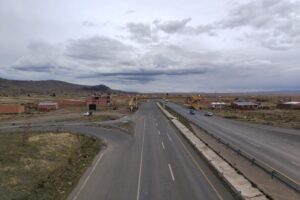
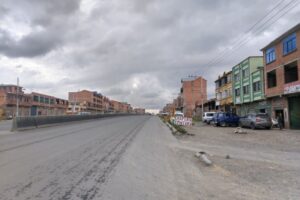
Our surroundings weren’t anything special, but the road condition was good, with only gentle ups and downs.
And then I spotted something unusual by the roadside…
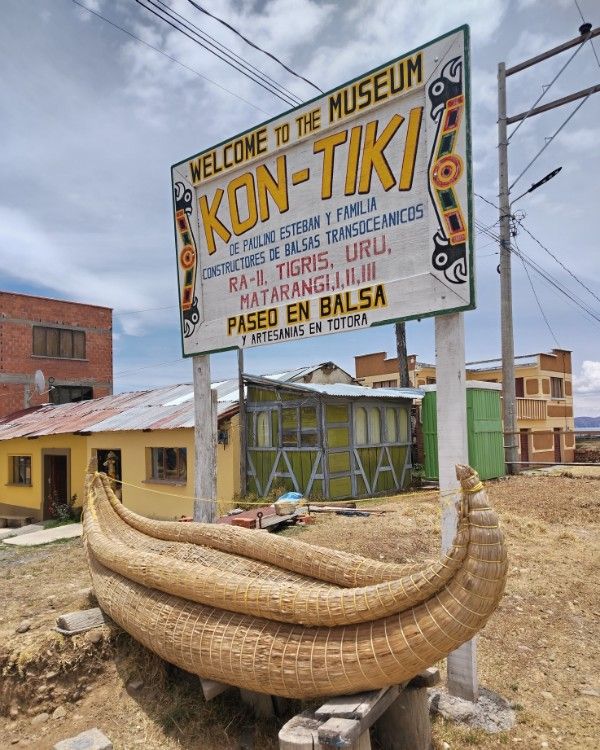
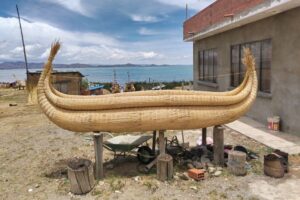
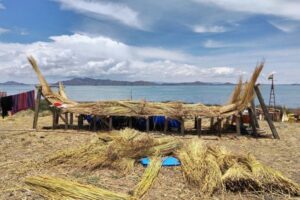
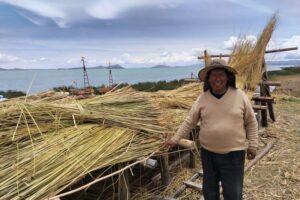
These are the last people keeping this ancient trade alive.
Check out their website: https://www.kontiki.bolivia.bo/
Back to the pedals again…

One of the items on my South American bucket list was the Bolivian ‘Death Road’, or Yungas road. It was once the only way that goods vehicles could access the towns in the Amazon from La Paz, and rapidly became notorious as the most lethal highway on the planet. Thousands of drivers have lost their lives trying to navigate this route.
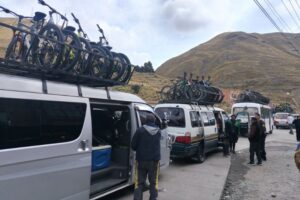
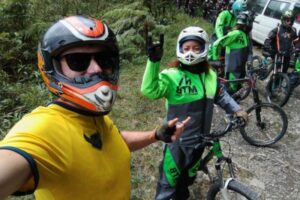
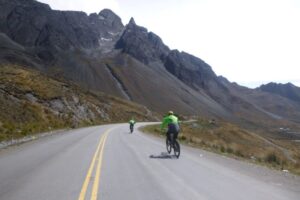
After this warm up we all piled back onto the bus and drove down to the start of the death road.
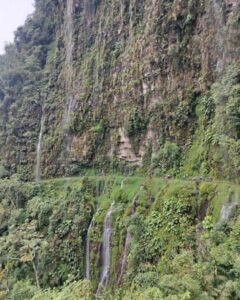
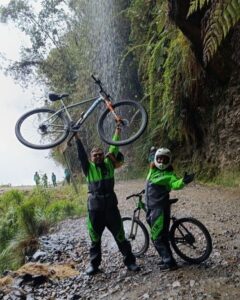
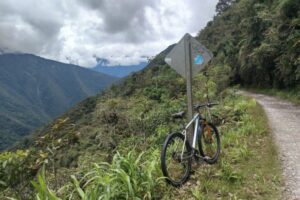
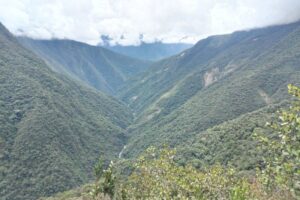
We made it back to La Paz unscathed. Raquel gave the whole mountain biking experience a firm thumbs up, and we made our way over to a cosy Airbnb to recuperate for a day or so.
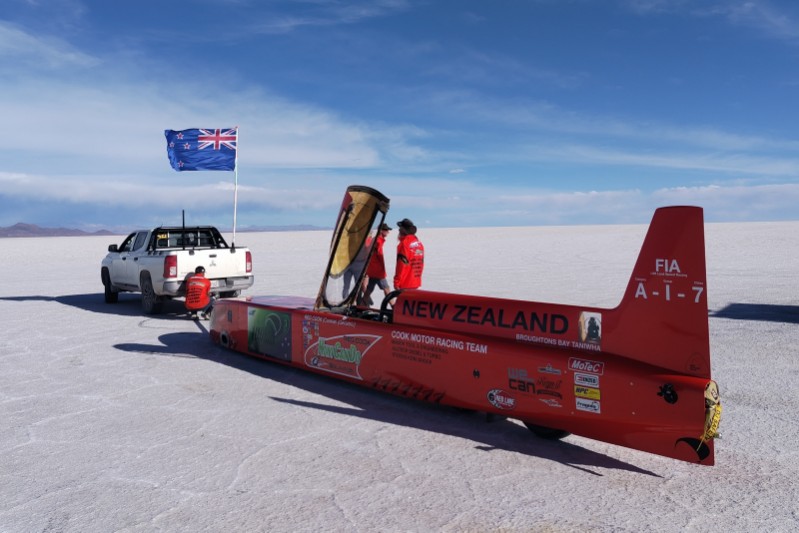
The next day I received a message in our ‘Travelling in Bolivia’ WhatsApp group that a New Zealand based motorsports team was trying to set several land speed records out on the salt flats of Salar de Uyuni, but they had overrun their original deadline and were now short on staff to marshal the track. They needed English speakers on the radios.
I was on the overnight bus to Uyuni that very evening, and arrived just in time to catch the morning shuttle out to the team’s base on the salt flats.
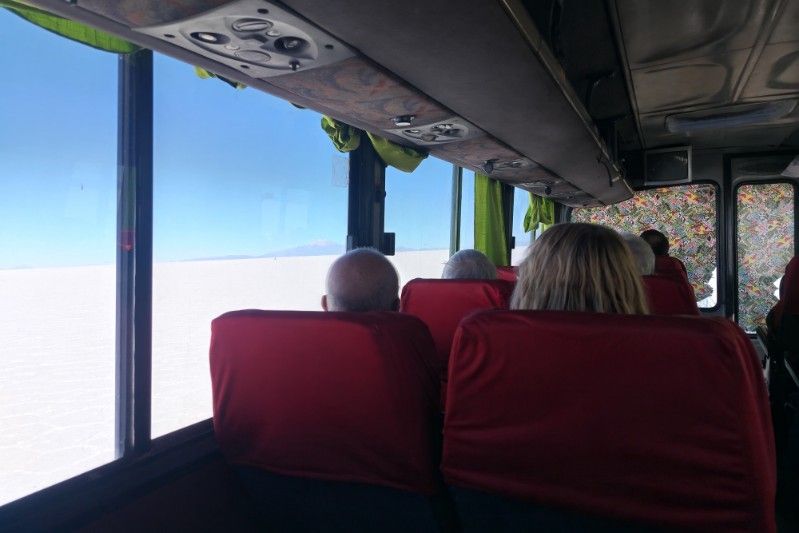
The nationwide fuel crisis was still going on at this point, and it turned out that our gas station at Colchani was completely dry. A few minutes later one of the work vehicles ran itself empty. They were forced to siphon fuel out of the firetruck in order to get up and running again. This was just a taster of the endless frustrations that this team has had to deal with while operating in Bolivia over the last 60 days or so.
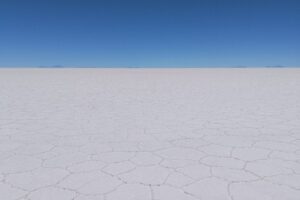
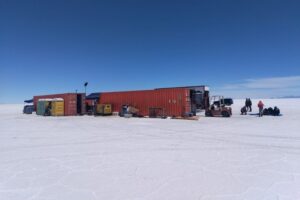
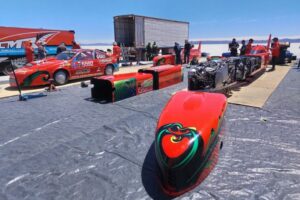
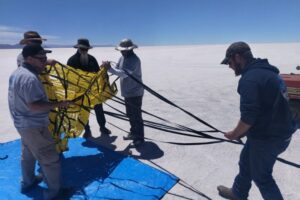
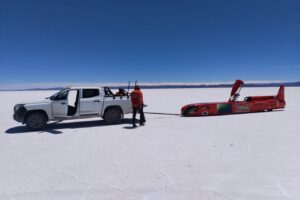
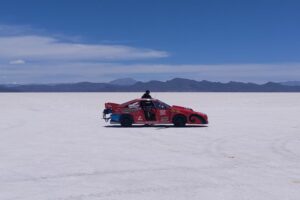
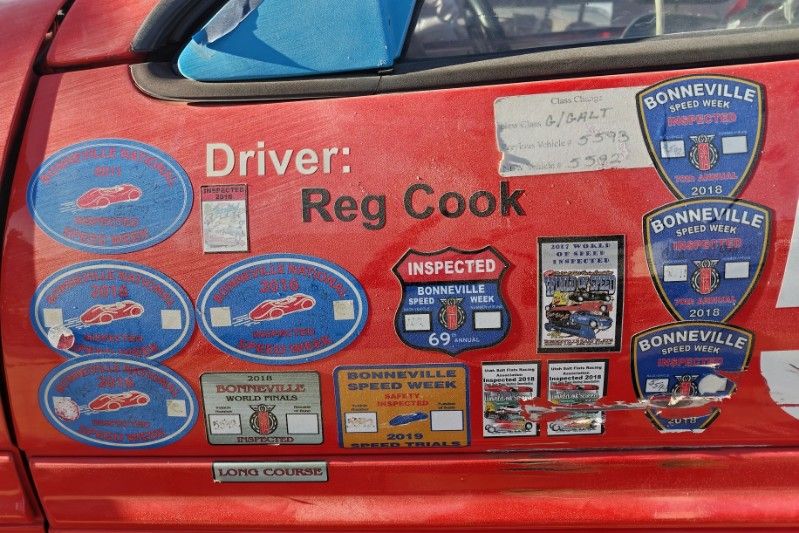
CMR is made up of a team of volunteers from New Zealand. They are led by 79 year old Reg Cook, who is both the primary benefactor, and the driver. He’s quite a personality, and he must have something special to bring so many of his countrymen all the way over to the other side of the world, at their own expense, to race cars.
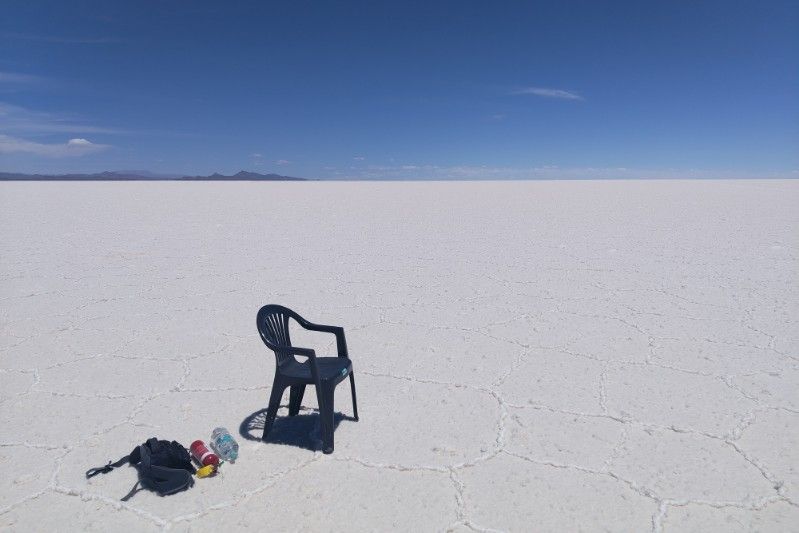
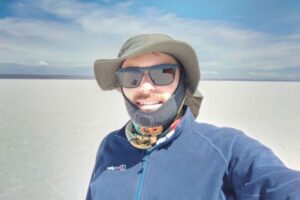
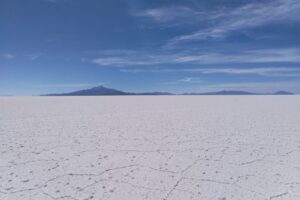
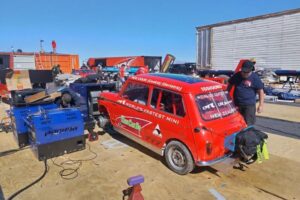
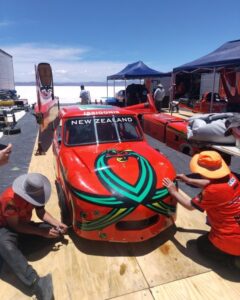
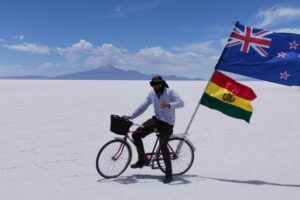
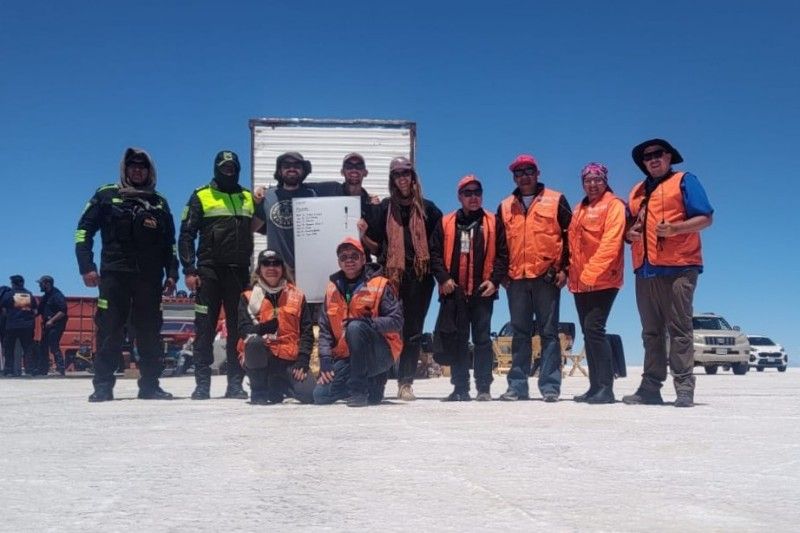
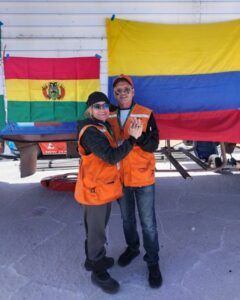
I had volunteered my services for the 3 days that the FIA were present at the track, which was the crucial period of time during which CMR could hope to record official land speed records.
Raquel had been patiently waiting for me back in La Paz, and while I would have liked to have stayed on to see how the rest of the story played out, it was time for us to get back to the bikes.
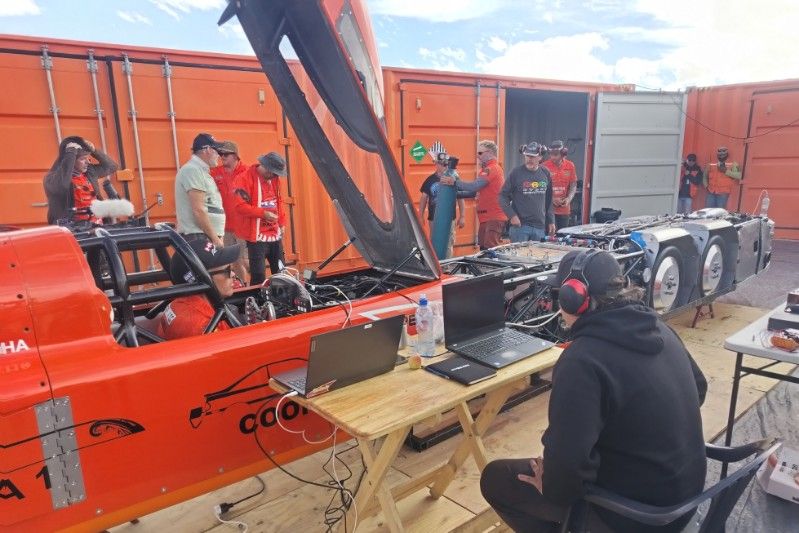
Apparently the FIA can write off speed records if they are announced on social media or on other platforms in an improper manner prior to being officially published by the organisation. I don’t want to in any way jeopardise the achievements of this fantastic group of people, so if you want to know their results, you are going to have to find out for yourself!
Here is their official website: https://cmrchallenges.co.nz/
Their Facebook group: https://www.facebook.com/share/17kXKy5Fvm/
They are planning to release a documentary film shortly, just as soon as they have sifted through and edited all of the terabites of film captured on site.
I caught the night bus back to La Paz that evening. We still had a long way to pedal…