Cusco (Qosqo in romanised Quechua) was once the capital city of the Inca empire.
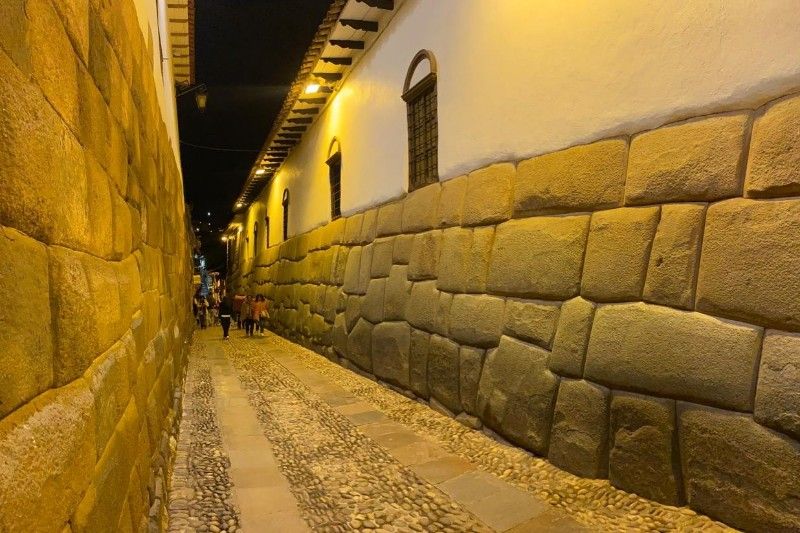
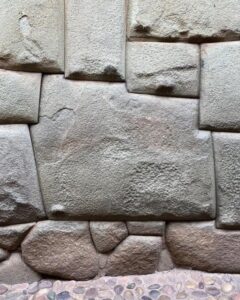
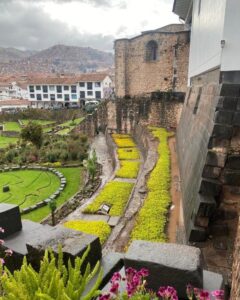
A Pre-inca complex with a colonial Spanish construction on top (white) .A stone with 12 corners from the same wall. A European stonemason of that era would have suffered an aneurism at the suggestion of going through all the labour of shaping each block in such an irregular fashion, let alone having to do all the cutting with stone tools! It’s so completely unnecessary, and therefore I’m immensely glad that they went through trouble of doing it like this.
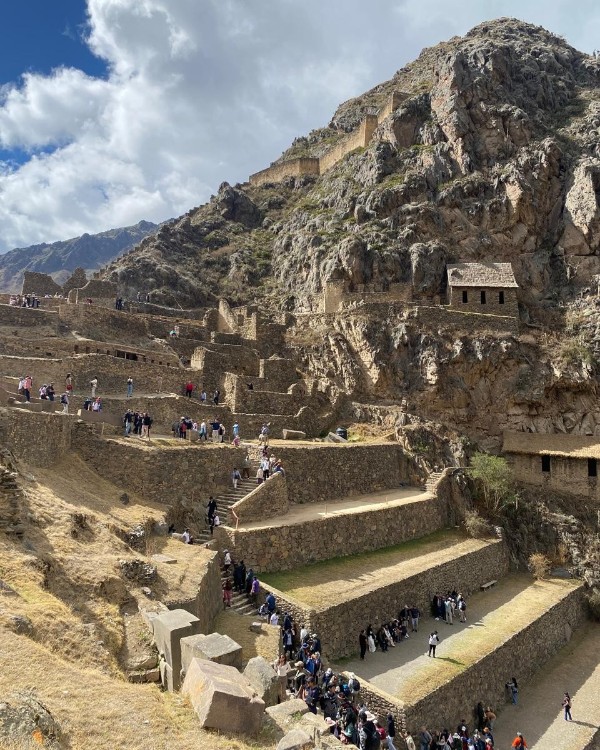
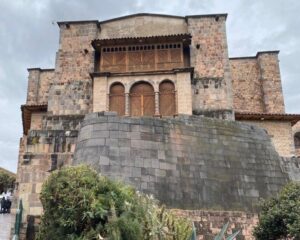
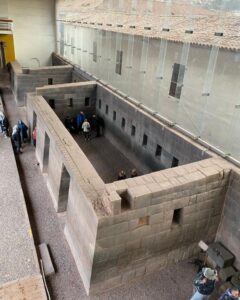
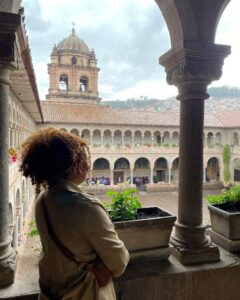
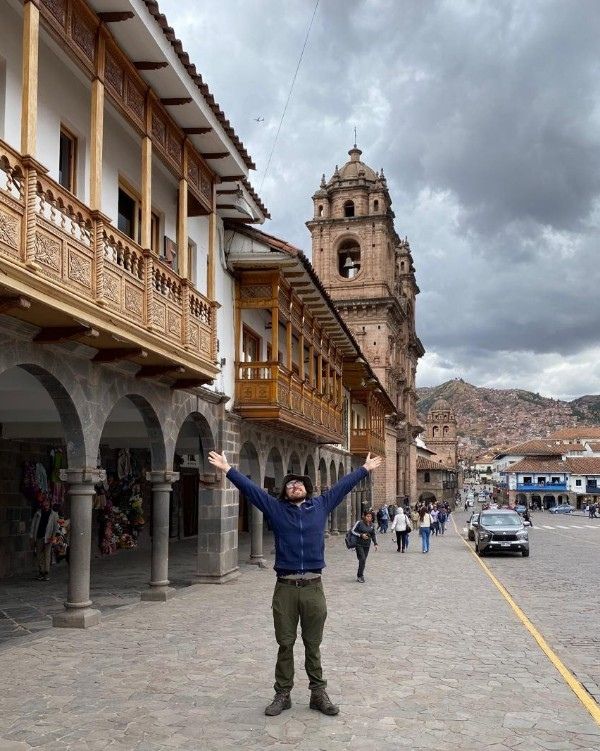
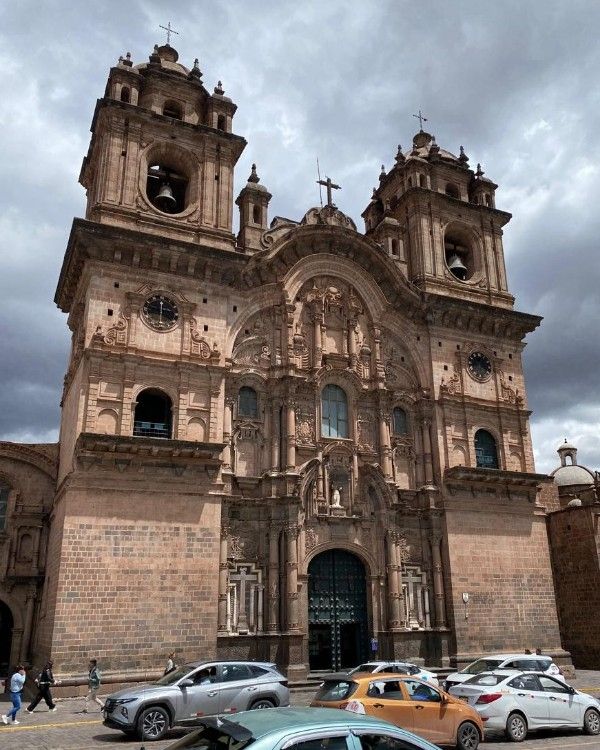
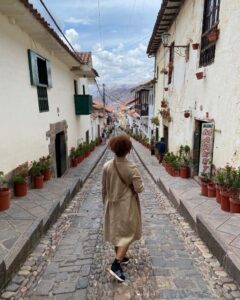
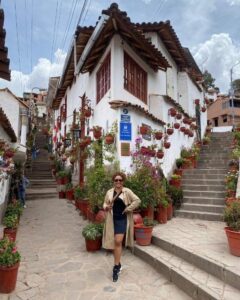
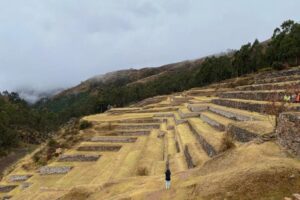
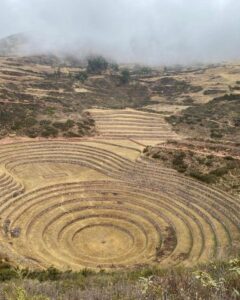
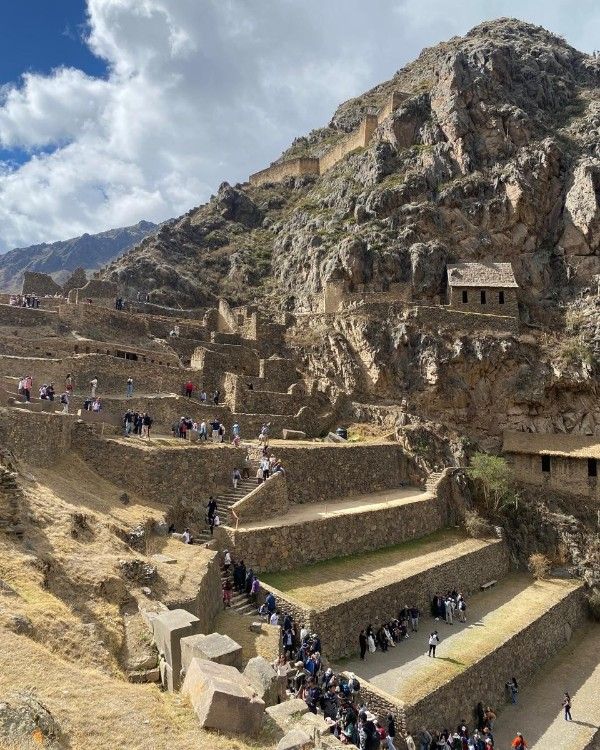
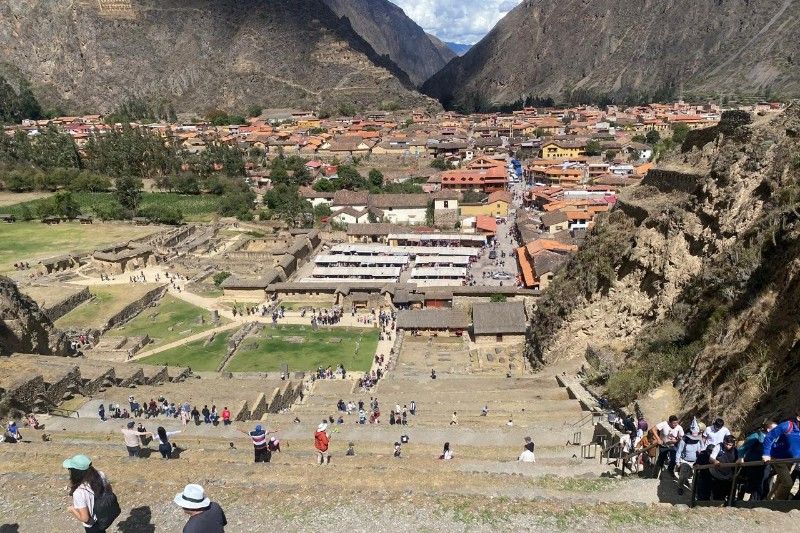
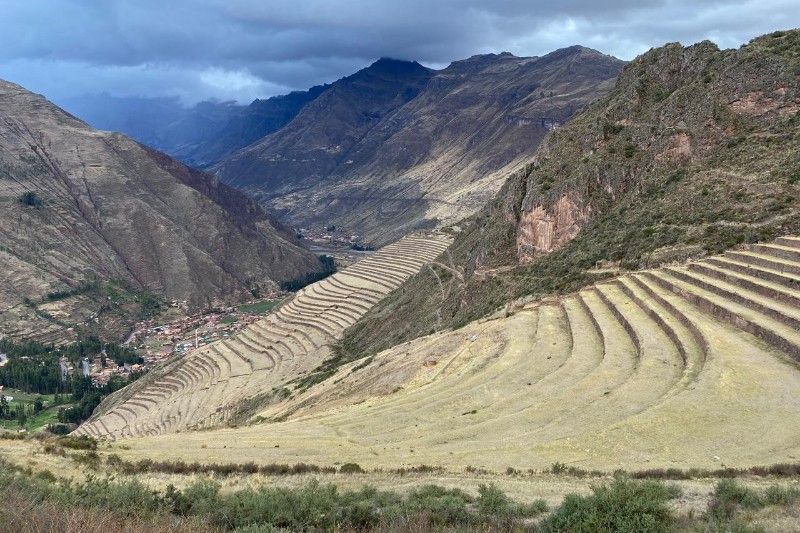
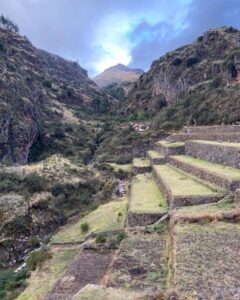
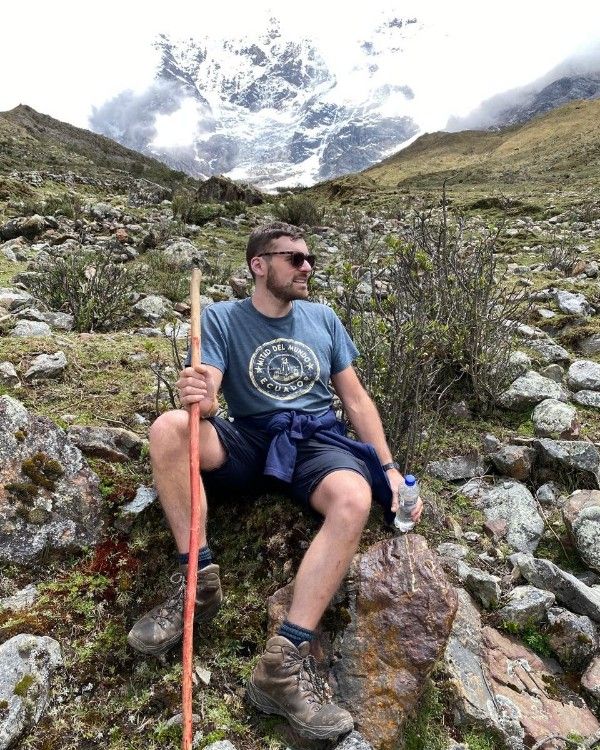
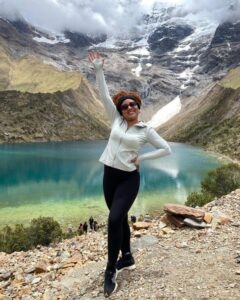
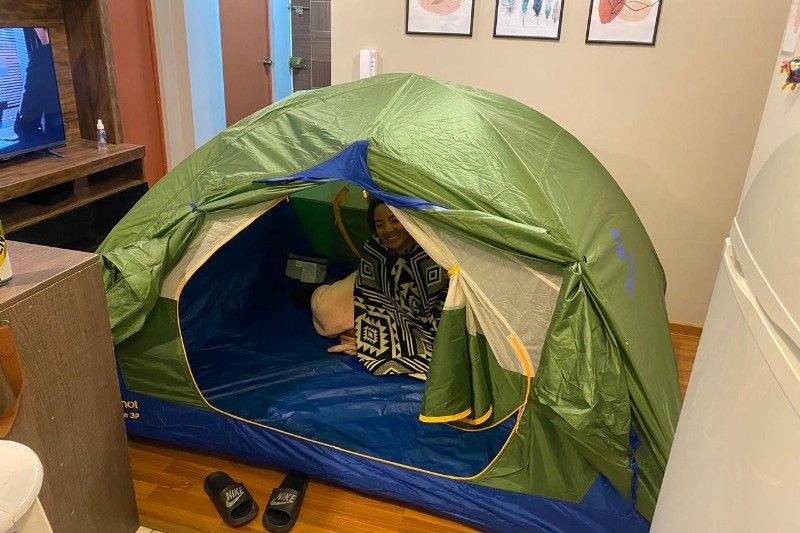
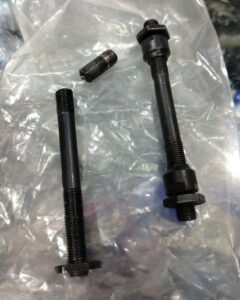
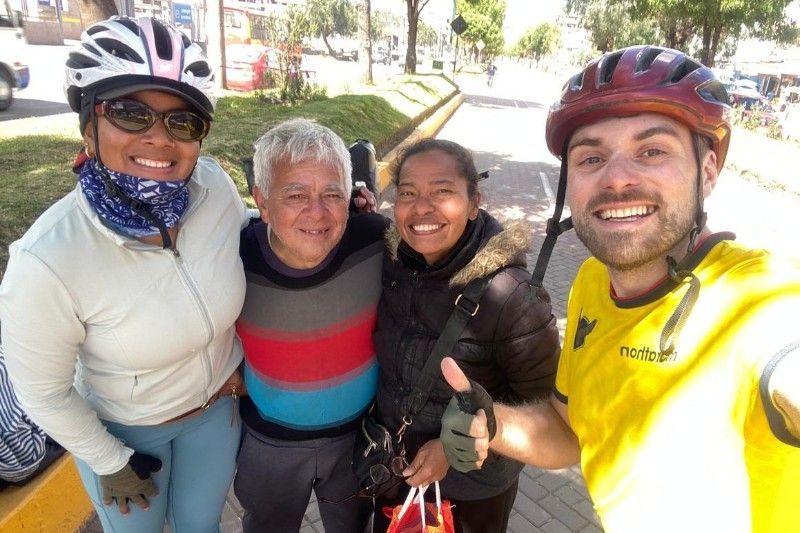
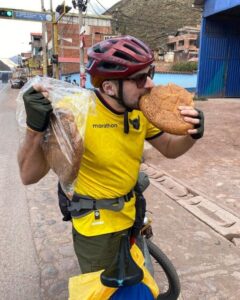
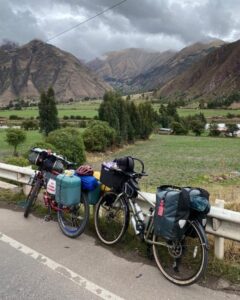
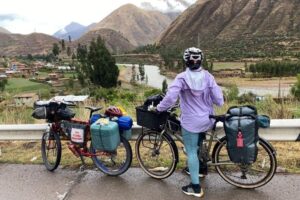
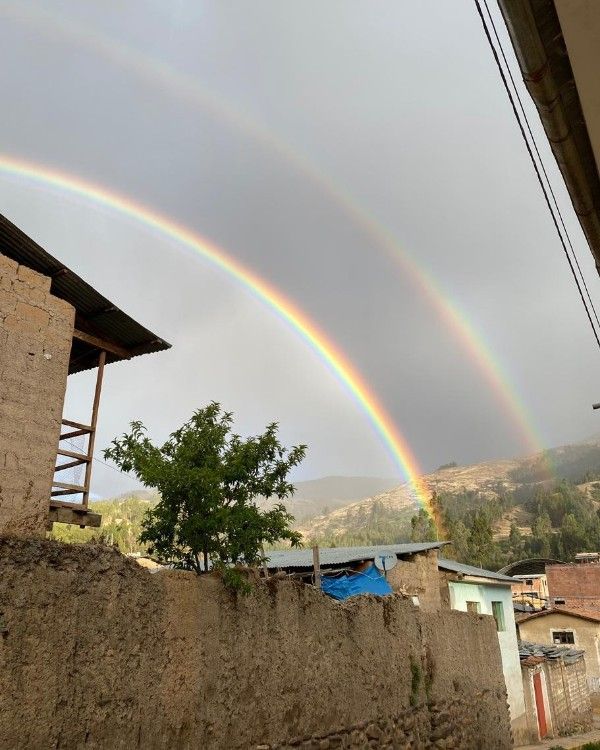
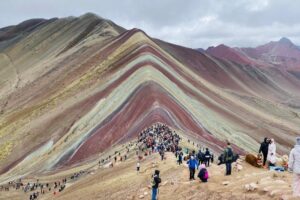
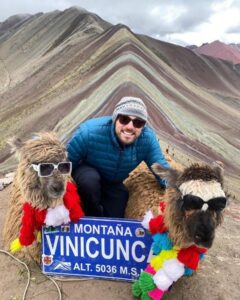
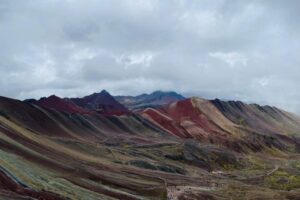
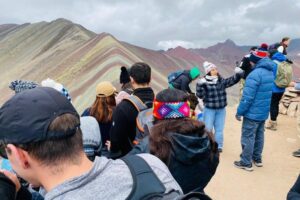
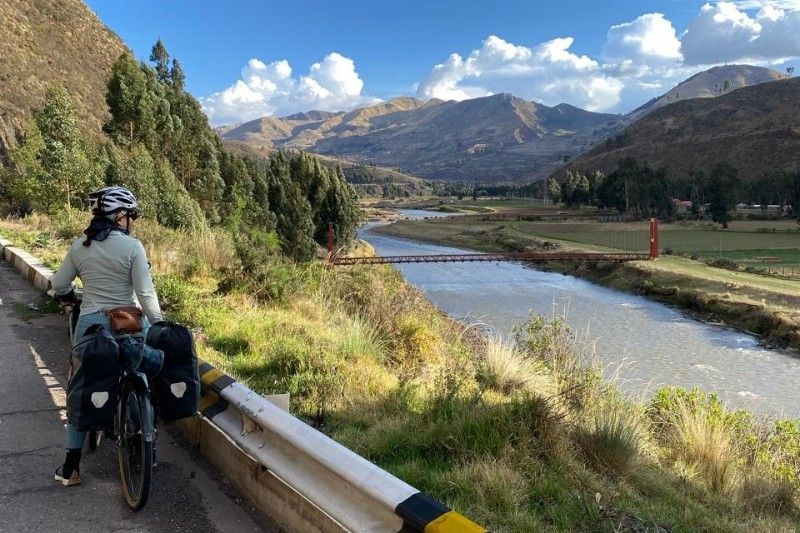
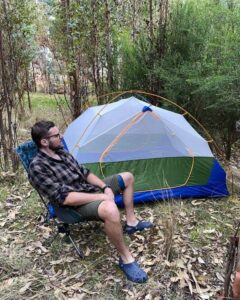
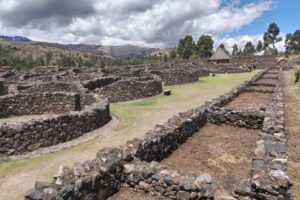
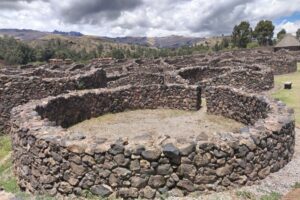
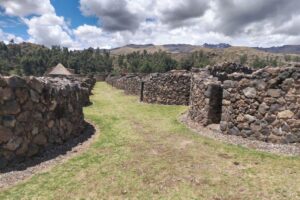
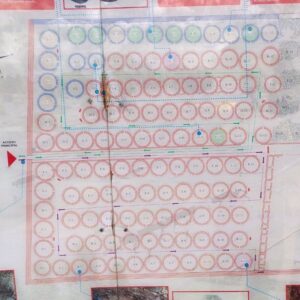
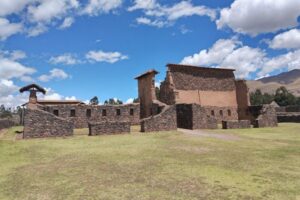
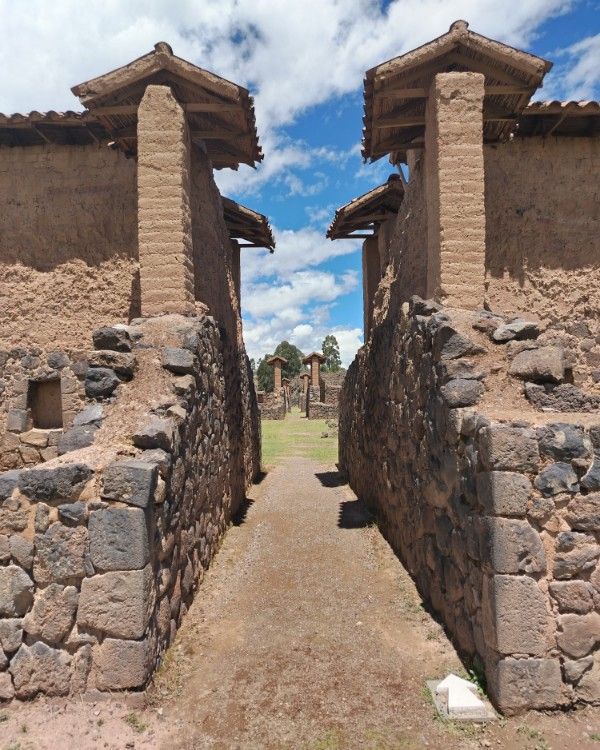
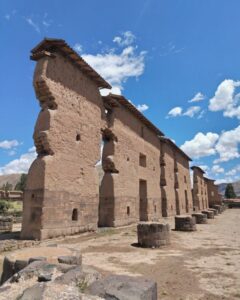
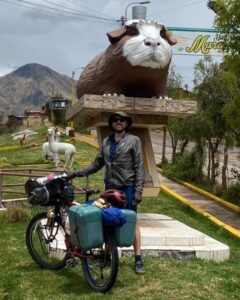
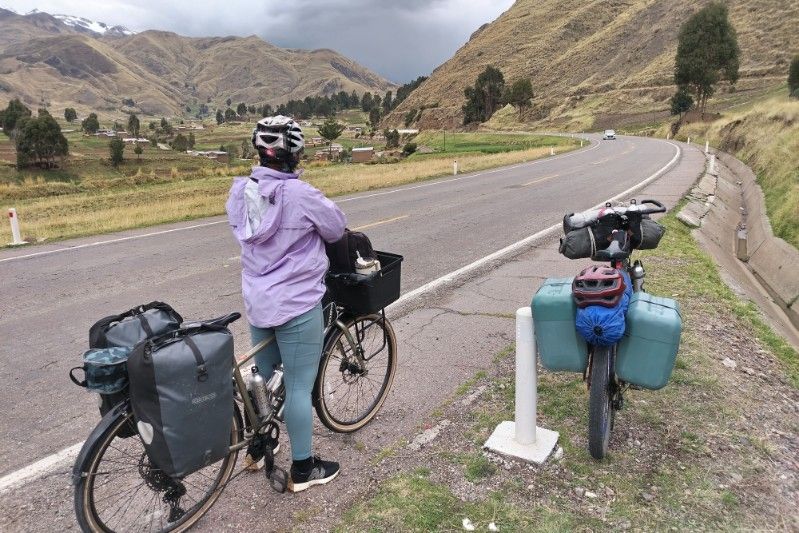
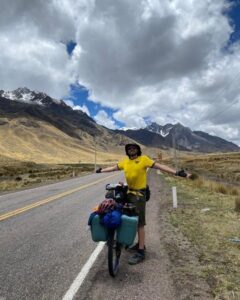
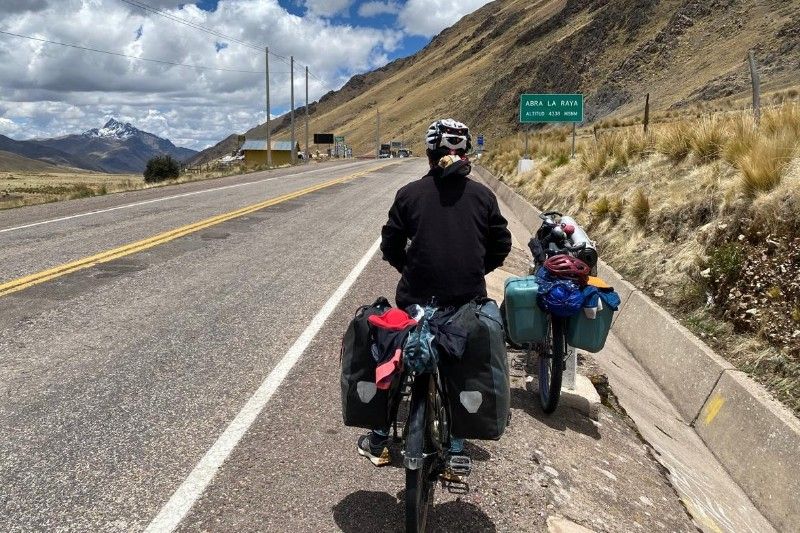
This is about as far as you can get from our cold, efficient, post-industrial modern mindset. It is my favourite part of Cusco.Qorikancha, once the spiritual centre of the Inca empire. The black blocks are the original Inca walls, carved from volcanic andesite. The Spanish later built a church on top. I guess they were trying to make a point there. Compared to the pre-inca examples above, the blocks are cut into regular, rectangular shapes, and have a repeating pattern.There are still several well preserved Inca buildings inside.The church is pretty nice too.The central plaza in Cusco. I’m a big fan of the little wooden balconies.Church in the central plaza. Out for a walk around the city. Self explanatory Chris. Terraced Inca settlement in Chinchero. These steps are purely agricultural in function. Terraces prevent the topsoil from being washed down the hillside. The Incas first filled them with a base of large rocks, for aeration and drainage, with gravel above that, before finally layering fertile soil on top. This arrangement ensured a balance of good drainage in the wet seasons, but also moisture wicking from below during dry spells. Pretty nifty technology for the period, if you ask me.Pre-hispanic greenhouse. The Incas figured out that if they constructed recessed terraces inside this natural sinkhole in the mountains it would provide a warm microclimate, which would enable the cultivation of certain crops that otherwise would not have been able to survive the conditions.Ollantaytambo. Farming terraces, storehouses, a temple of the sun, and a military complex. A battle was fought here between Hernando Pizarro and Manco Inca in 1537.Ollantaytambo, looking down the steps and into the valley. I wouldn’t want to try assaulting up this slope while getting pelted by slingstones and javelins.Inca agricultural terraces on a gigantic scale at Pisac.More Pisac.Putting a brave face on it. Raquel and I both managed to get the dreaded stomach bug AGAIN in Cusco. It turns out that it’s actually rather difficult to walk up a mountainside while trying not to poo yourself. Should have worn the brown trousers… Made it to the top! Laguna Humantay.New tent! All the zips on my old MSR Hubba Hubba NX were in various stages of failure at this point. It was time to bite the bullet. Marmot Tungsten 3 person tent. Not quite as fancy or lightweight as the old MSR, but far more spacious for two people.We brought both the bikes into a mechanic for a thorough service. I asked Miky, the owner, to check my wheel bearings. My front axle fell apart in two pieces when he removed the wheel. The only thing that had been holding everything together was the quick release scewer. I guess that I must have bashed the front wheel against something while enjoying myself too much on an off-road descent. César and his wife stopped us for a chat while we were leaving Cusco. César used to bike tour himself back in the day, but now he prefers to potter around the countryside on a small Honda motorcycle. We passed through a village that apparently only sold bread. There were about 20 or 30 bakeries. Coming across random food themed places happens a lot here in Perú. Nice countryside on the road to Bolivia. Notice how we are riding past the mountains instead of over the top of them? Makes for a nice change…We were unsure of whether we were going to get good enough visibility to see the rainbow mountain, but then this gorgeous double rainbow appeared in the sky above us. Surely a good sign? The rainbow is also represented on the flag of Cusco, and more generally represents indigenous communities all over South America. Mountain Vinicunca, rainbow mountain. … And this is what it actually looks like when you visit! For so much of our time messing around Cusco we found ourselves having to quickly leap at short windows of opportunity to pose for a few snaps, before the hordes descended upon us once again. It’s all rather stressful compared to our usual pace of travel.Back on the road again. Taking Raquel’s new camping chair for a spin. We rolled up on a completely unexpected Inca complex at Raqchi. These round houses are supposedly storehouses, not human habitations.There are 220 in total, neatly arranged in rows and columns. A map of the storehouses. A logical thinker was certainly behind this arrangement back in the day.On June 21st, the winter solstice (southern hemisphere), the sun will perfectly align with this avenue. The Incas had an agricultural calender of 13 months of 28 days, which adds up to 364 days. Day 365 was June 21st.The temple of Wiracocha. An impressive structure 14 meters high. This wall was once the central support of a long, thatched building. Sefton from Australia. He has been steadily working his way up from Buenos Aires in an indirect, zig-zagging manner for a year or so. He highly recommended Northern Argentina to us. Can’t wait!Talking about food themed regions, it looks like we found the guinea pig one. Last bit of climbing in the mountains for a long while. The top of Abra La Raya mountain pass. Goodbye Cusco. Hello Puno. Time to descend down into the altiplano and onwards to Lake Titicaca!
I expect that quite a few readers are wondering whether we visited Machu Picchu. Well, we turned the idea over quite a bit during the weeks leading up to our arrival in Cusco, and eventually decided to give it a miss this time.
Cusco was absolutely heaving with tourists, and the whole convoluted process of even getting an entry ticket to Machu Picchu was a multi-day mission. Travellers reported queuing outside the ticket office at Aguascalientes from 2am in the morning, and waiting for the doors to open several hours later. Since they only let in 1000 people per day, you might have to repeat this process a couple of times, and the whole town of Aguascalientes is an expensive tourist trap. These days it is recommended to reserve a ticket several months in advance, but I couldn’t have accurately predicted the date of our arrival to within a month or so, and I certainly didn’t want to be riding with a deadline hanging over our heads anyway.
Rainy season had started early, and a lot of tourists were reporting that upon finally gaining entry, they ended up staring at the inside of a cloud, instead of Machu Picchu.
Both of our Perúvian visas were about to run out in the next few days, and we still had several hundred kilometres to go to Bolivia.
I believe that this province needs at least 2 or 3 months to be done properly. A year would be ideal.
There are excellent hiking trails with snow capped vistas that rival Huaraz, including the famous Inca trail to Machu Picchu, or the emerging favourite, the 4 day hike to the hidden Inca city of Choquequirao.
Cusco has undoubtedly got the best mountain biking in all of Perú. I’ve met riders coming in from all over the country, just to shred the trails here.
There are so many archaeological sites in this region, it just boggles the mind. We barely saw the tip of the iceberg during our visit.
Cusco is an ideal location to learn Quechua; the language is very much alive and in daily use in these parts. I believe that speaking this language would open a lot of doors while travelling through native communities all over Perú. It would also be incredible to actually speak the same tongue that Incas used when they ruled South America.
I’m absolutely set on coming back to Cusco one day. Raquel and I both reckon that we could live here for a year or so very agreeably.
I wonder if they will be looking for a foreign teacher any time soon?