What can I say about Chimbote?
It’s a place that exists.
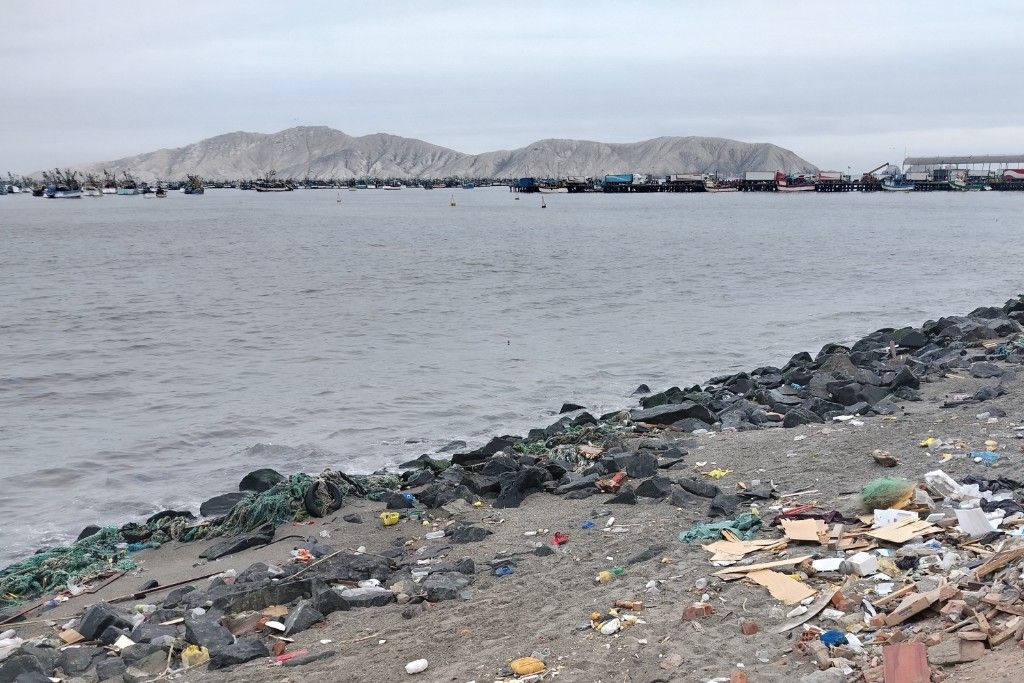
I can’t imagine anyone coming here for the picturesque sea view…
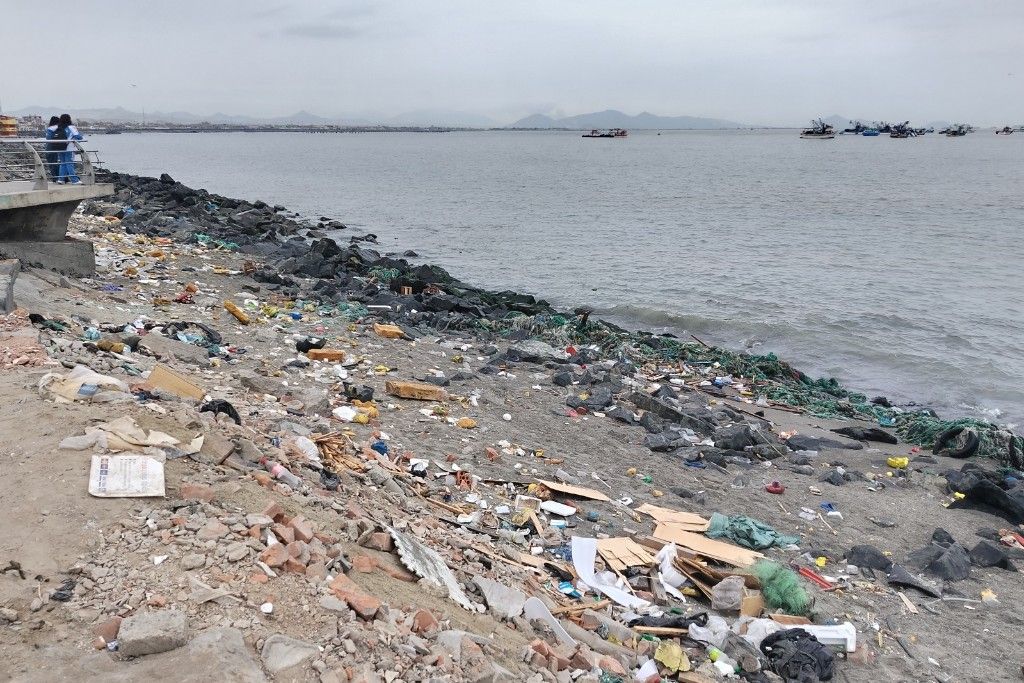
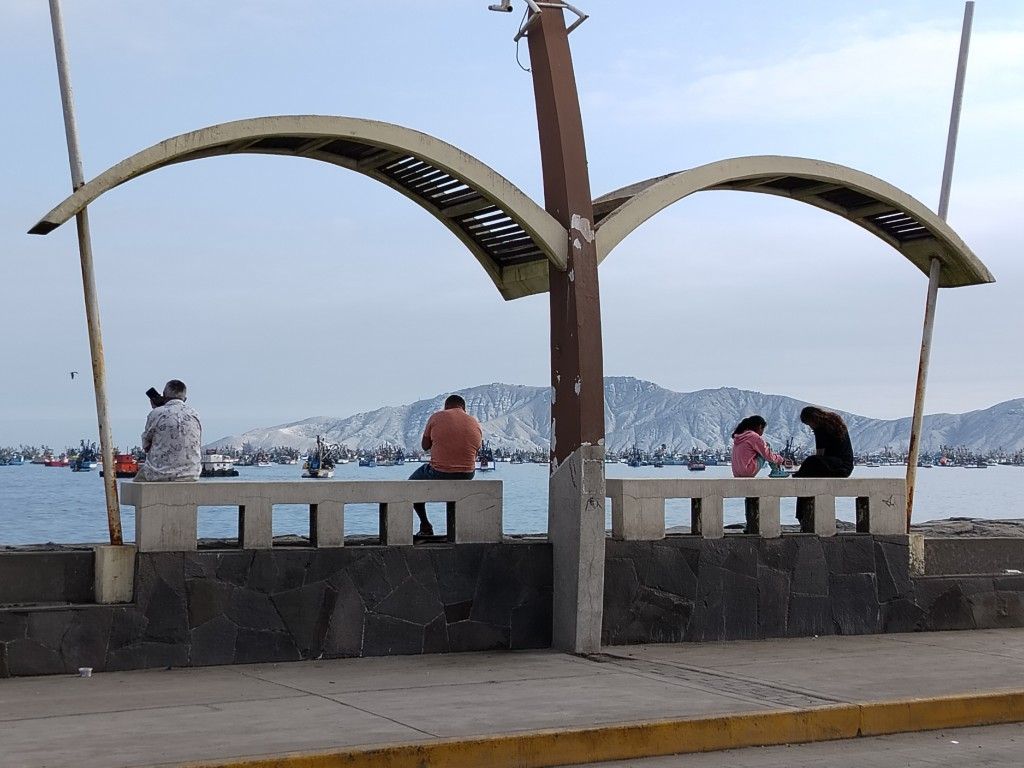
With the sun shining, and at the right angle, it isn’t entirely terrible.
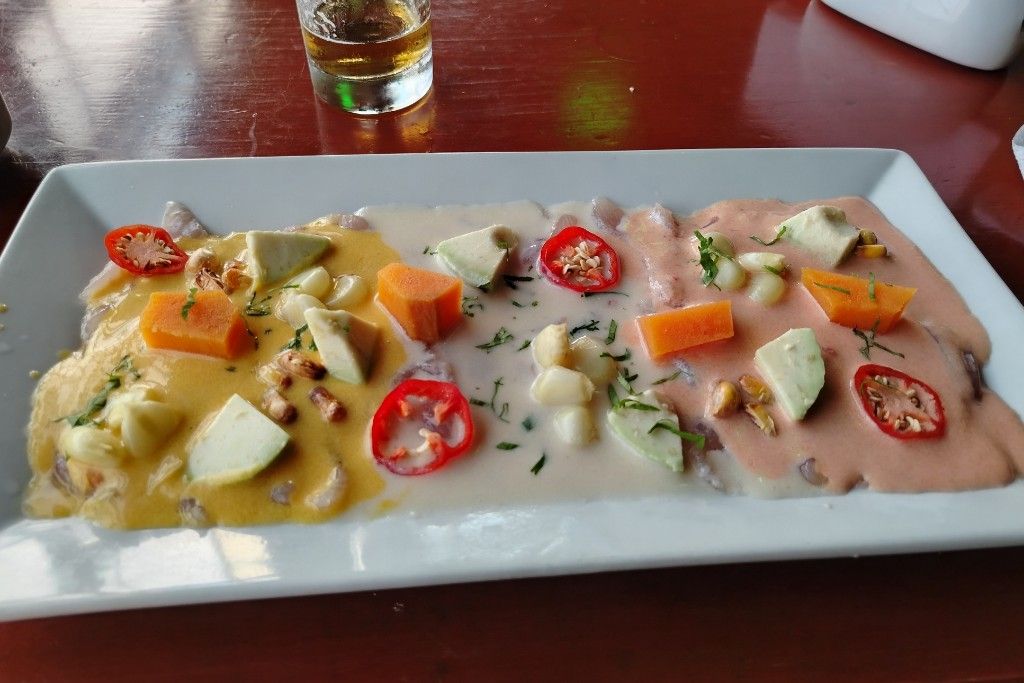
Tiradito. Absolutely smashing.
The seafood is excellent. Perhaps even the best I’ve had on the planet. I reckon Peru has at least an even chance in coming out on top in a competition against Japan. The ceviche and tiradito here is made with raw fish. It’s beautifully smooth and just melts in your mouth.
I spent two nights following the Chrisonabike.com accreditated recovery programme: eat as much as you physically can for two days, and spend most of that time in bed watching TV shows on YouTube.
I decided that since I had contrived to get myself down on the coast, I might as well mess around down here for a bit to get a taste of this part of Peru.
Unfortunately, since first arriving in the country, I had been consistently warned about crime in this coastal region. Supposedly Trujillo is the worst, and Lima isn’t much better.
There are large urban populations with a great deal of economic disadvantage, and the narcos use these ports to export cocaine (Peru is the world’s second largest producer of the drug, after Colombia). It’s a perfect breeding ground for crime.
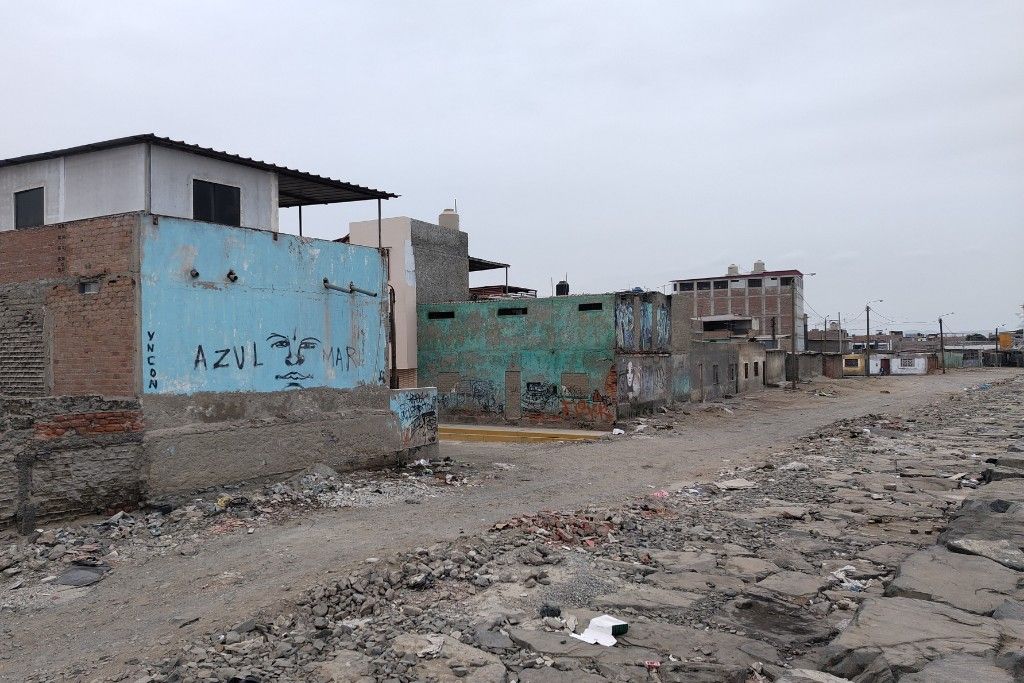
I definitely passed through some pretty rundown areas during my ramblings.
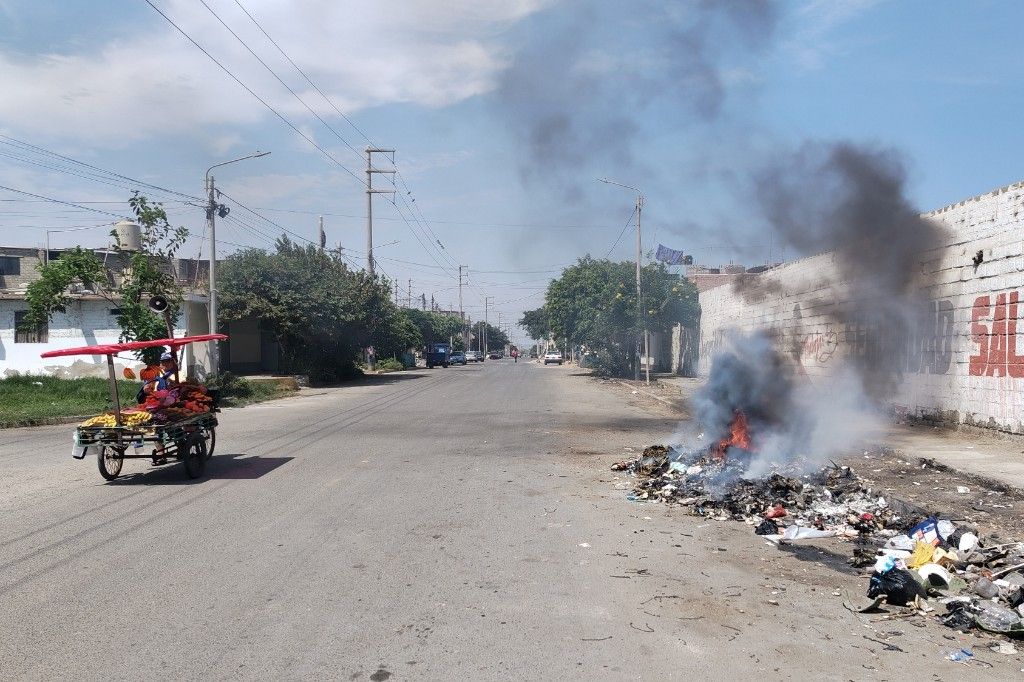
A fruit seller rolling past a pile of burning refuse. This wasn’t even a bad neighbourhood according to the locals, just another day in Chimbote.
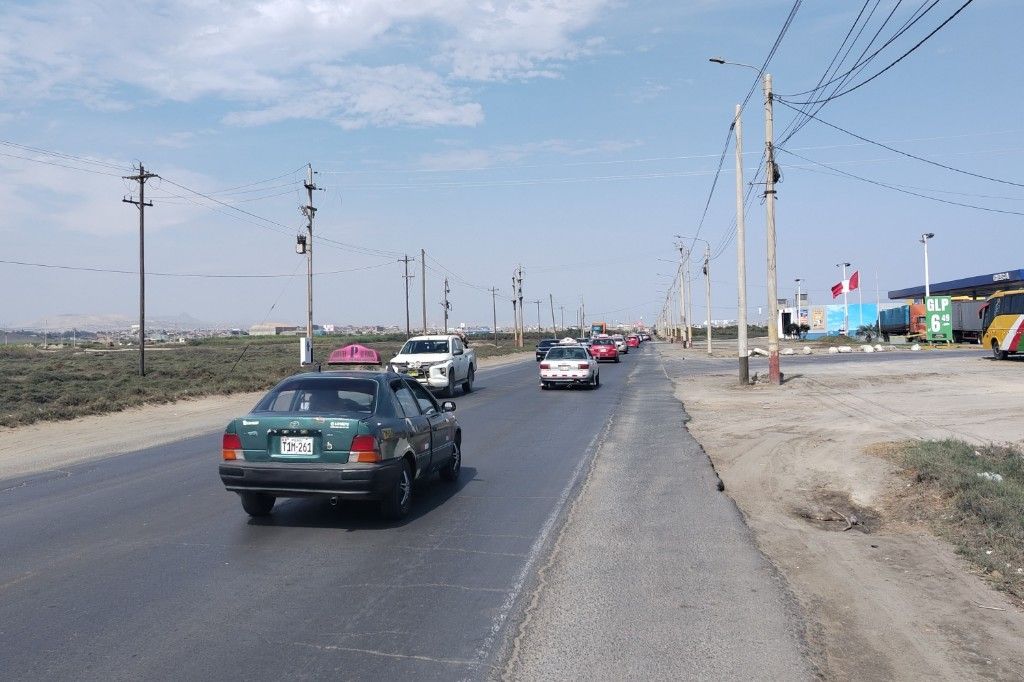
After an hour of riding alongside the multilane I was already feeling overstimulated and fatigued.
I could see that there were a number of small, rural roads running along the coast that would get me off the Pan-American Highway, and into the smaller fishing villages.
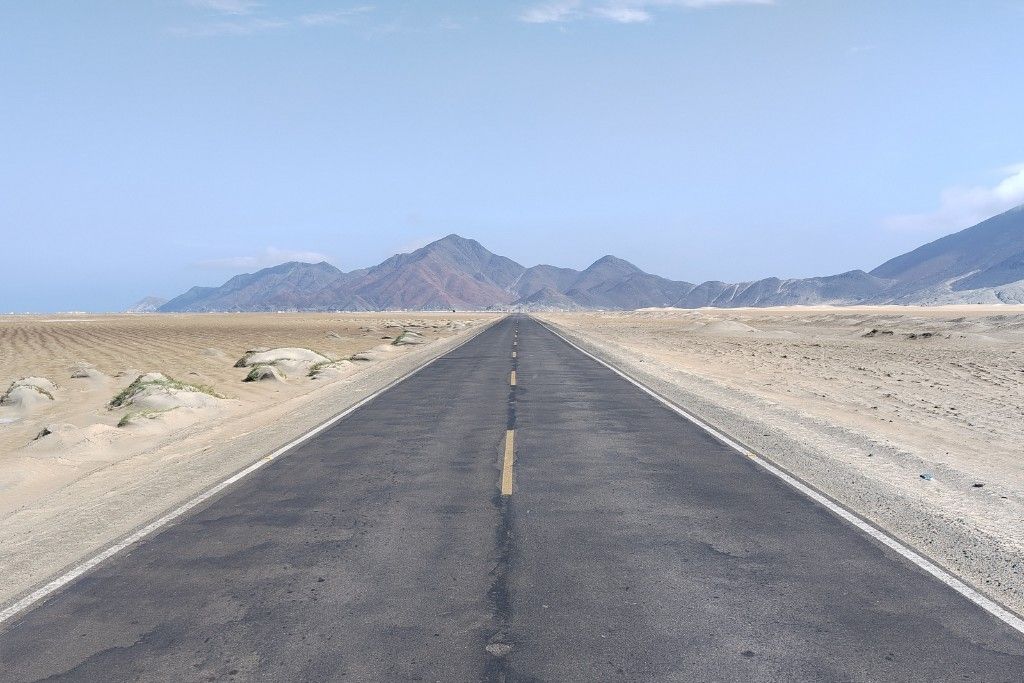
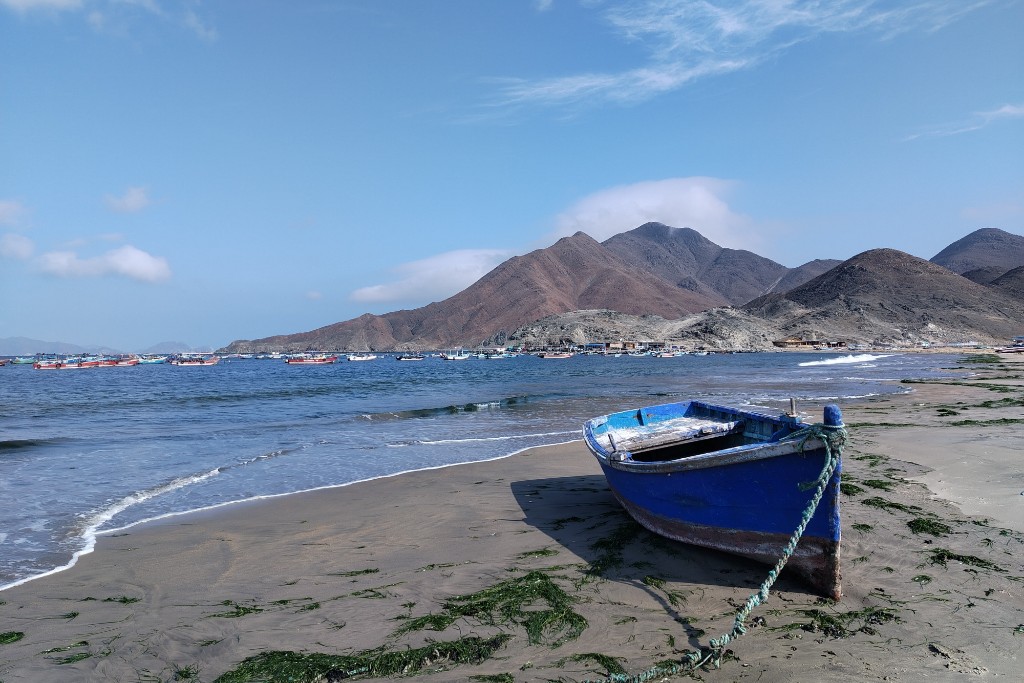
On a side trip to discover a nearby beach.
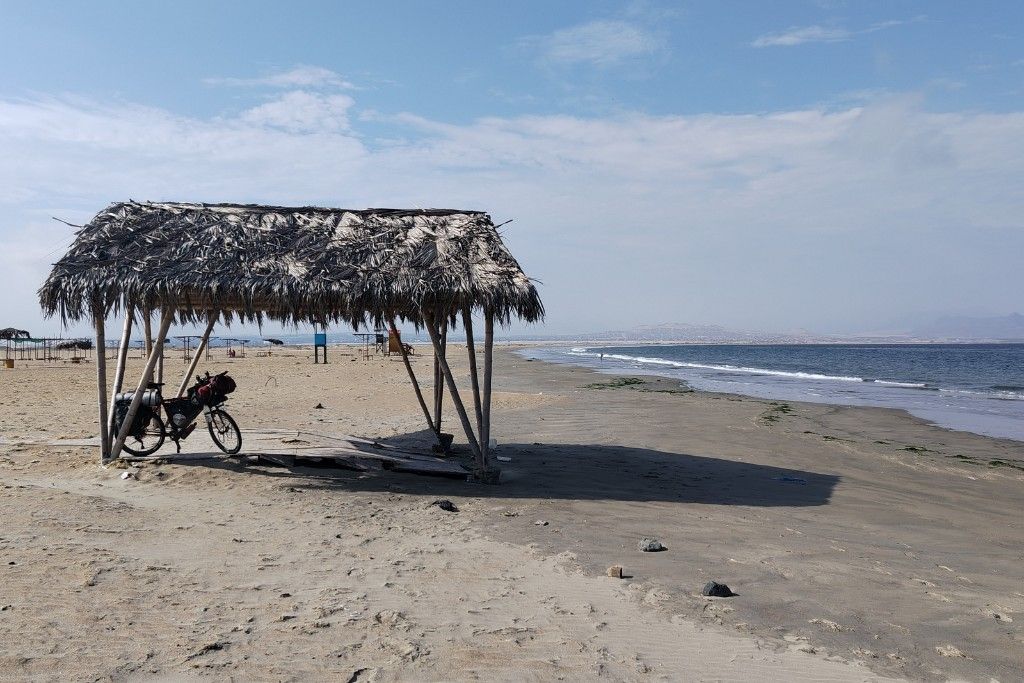
Playa El Dorado.
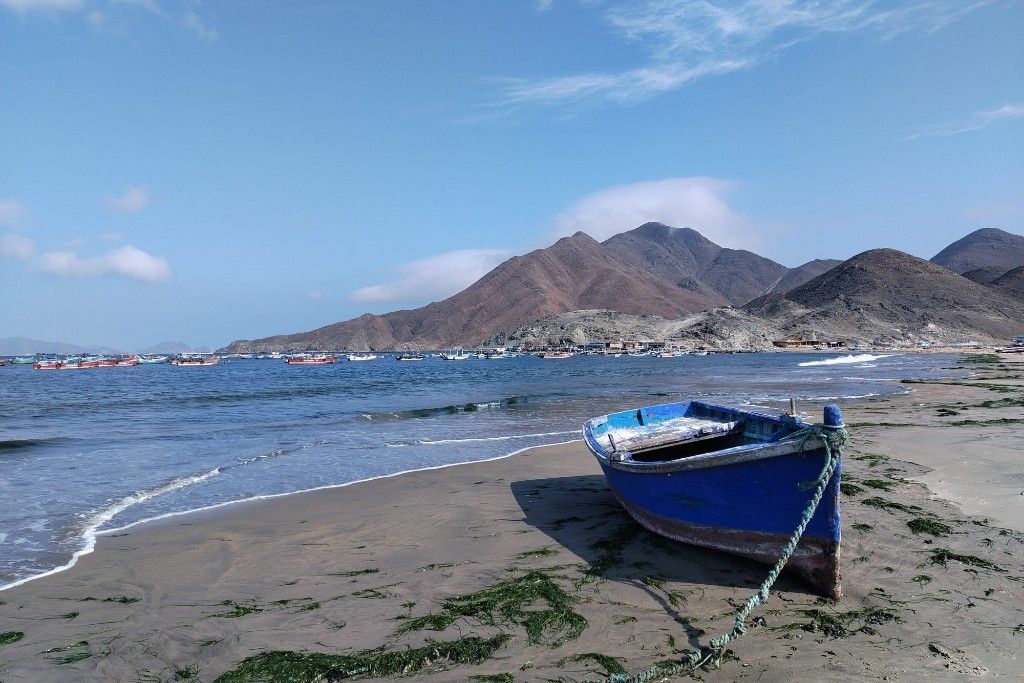
The Peruvian cuisine is famous for its seafood, and every bay and harbour that I visited had its own fishing fleet.
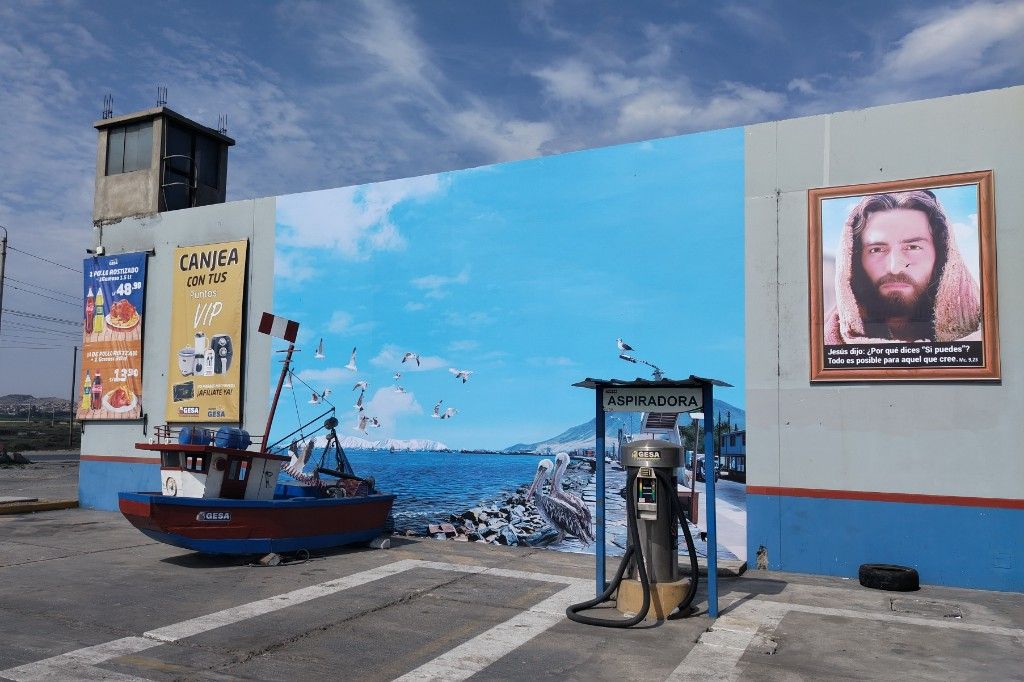
Scene at a local gas station.
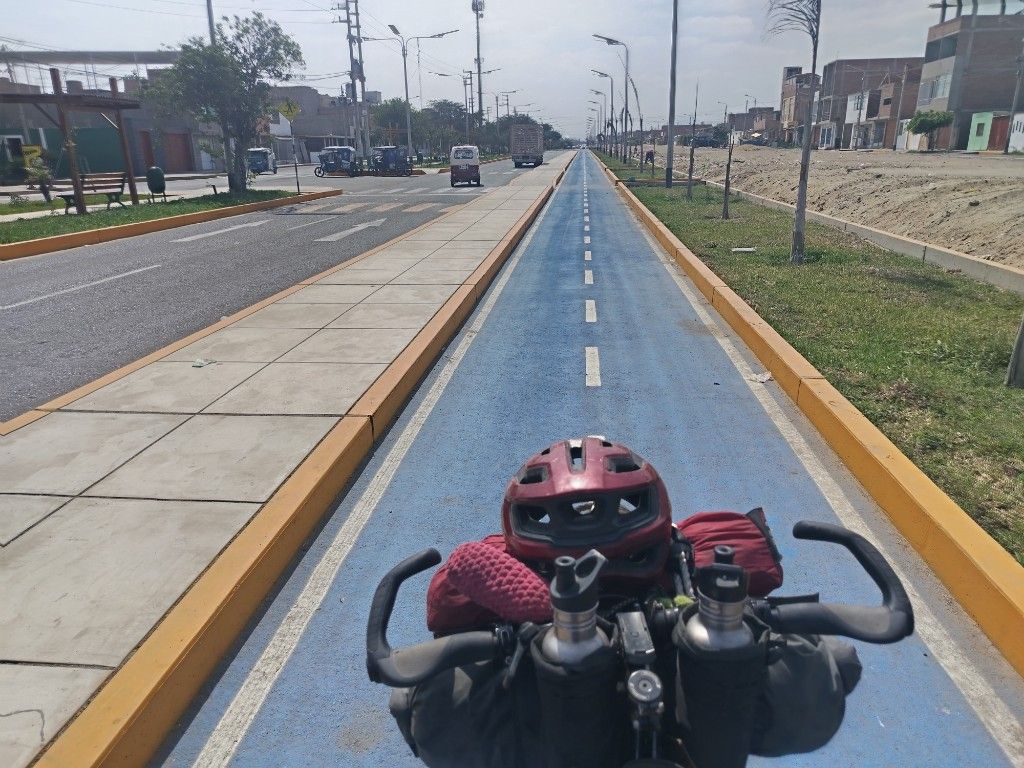
What a civilised way to roll into town. Compared to Chimbote, Nuevo Chimbote seemed to be cleaner and well laid out. Whenever I find a cycle lane, I tend to follow it to see if the network will end up serving my purposes. If you build it, I’ll use it!
Heading South through the outskirts of Nuevo Chimbote, most of these single-story homes were made from chipboard, woven reeds, or other cheap, thin materials. I wonder how well they hold up when a big storm blows in?
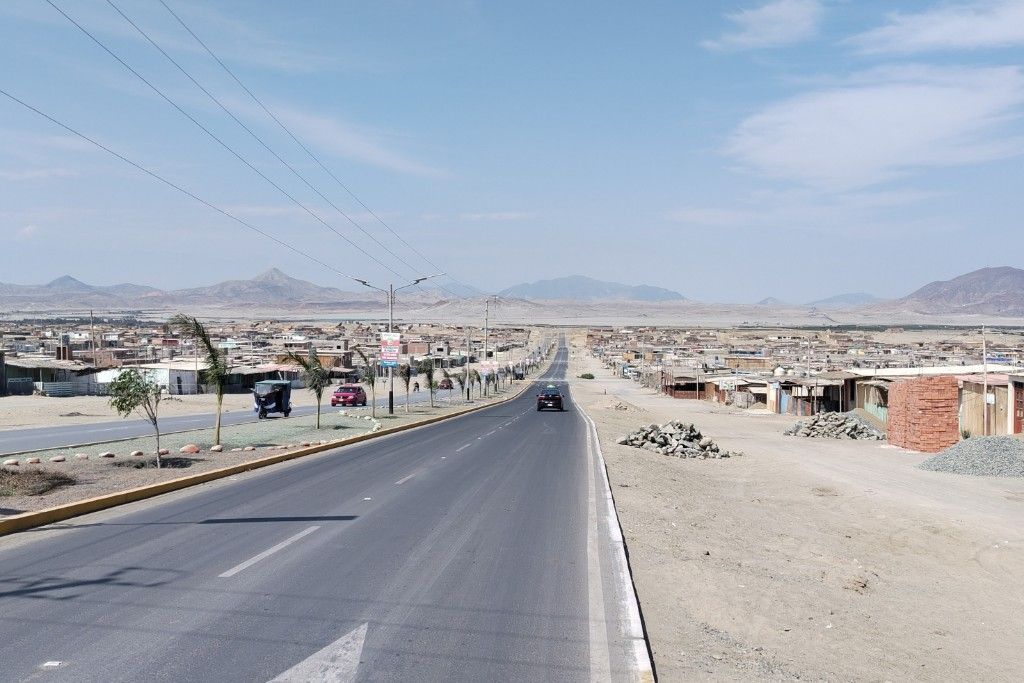
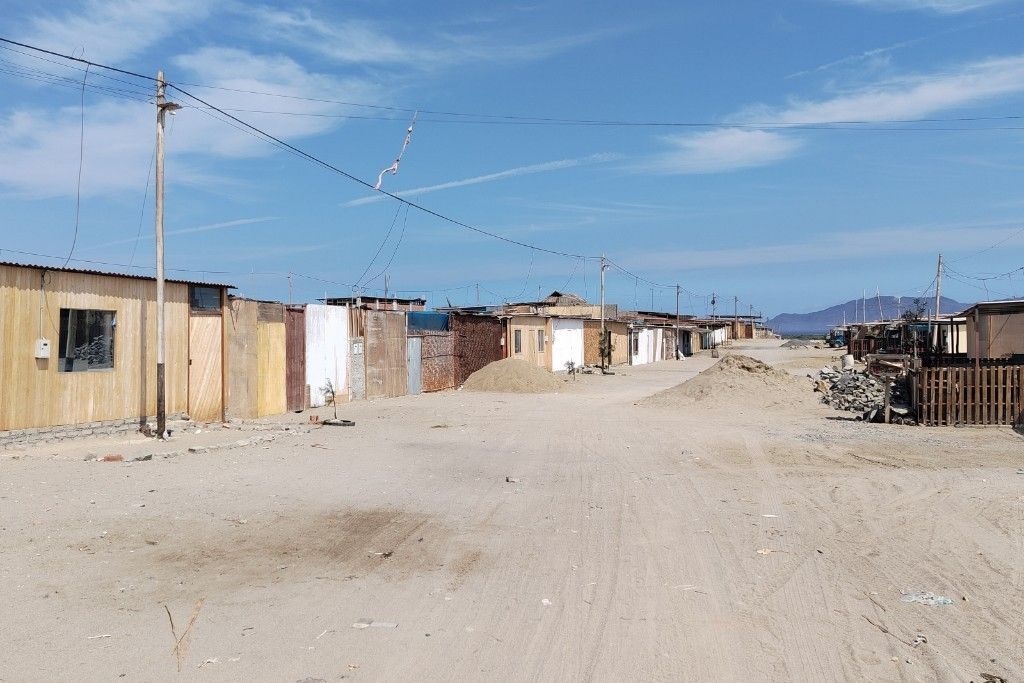
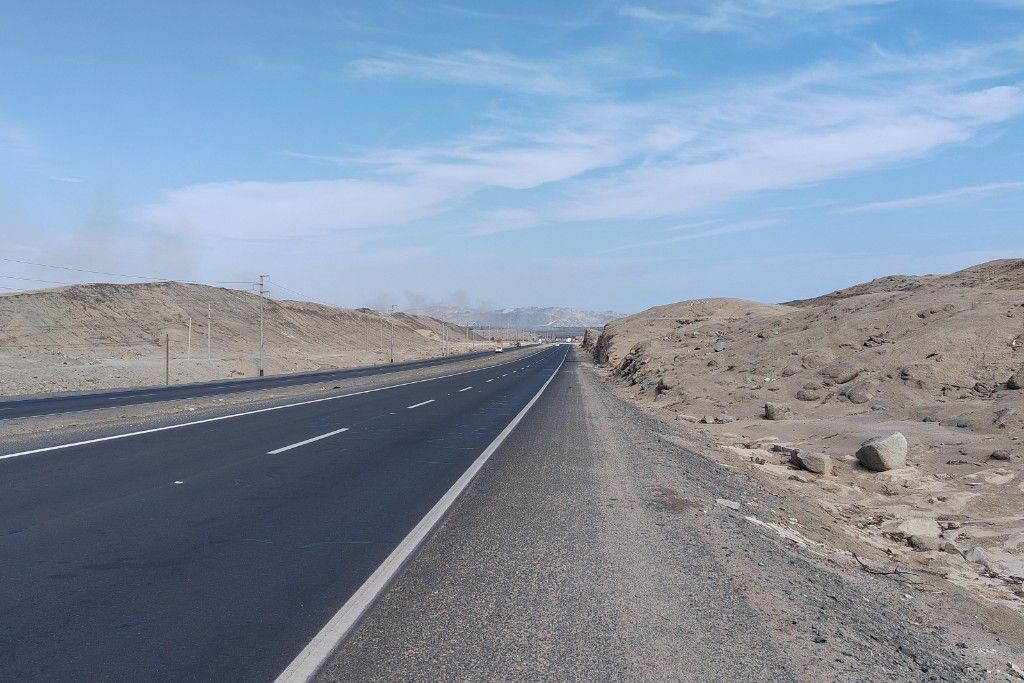
Back on the Pan-American Highway…
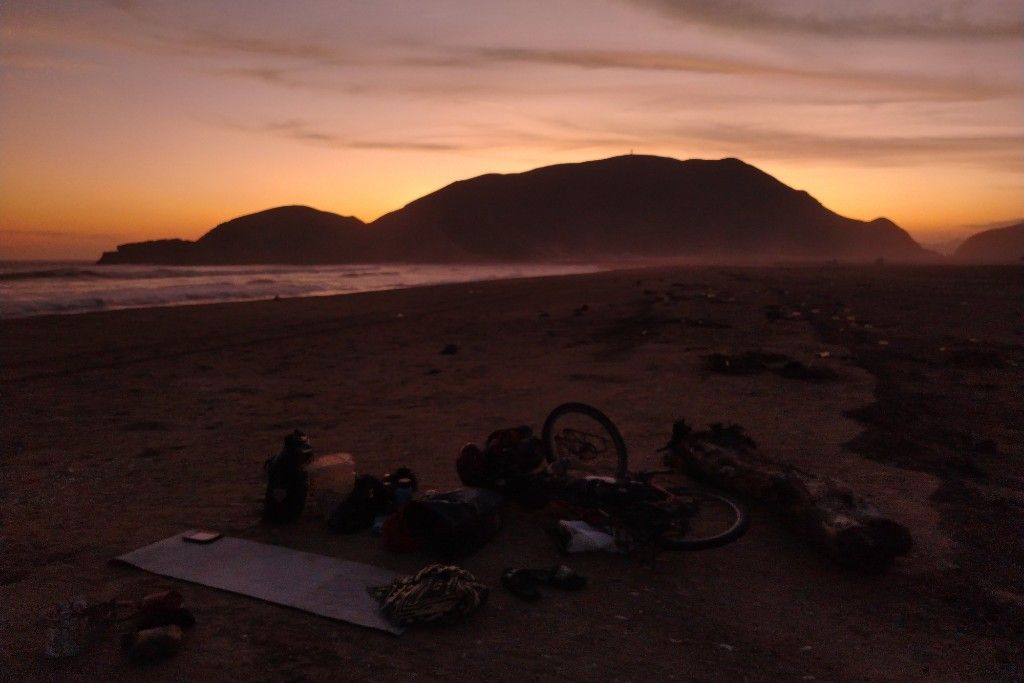
Lovely sunset over my camp at Playa Mar Brava.
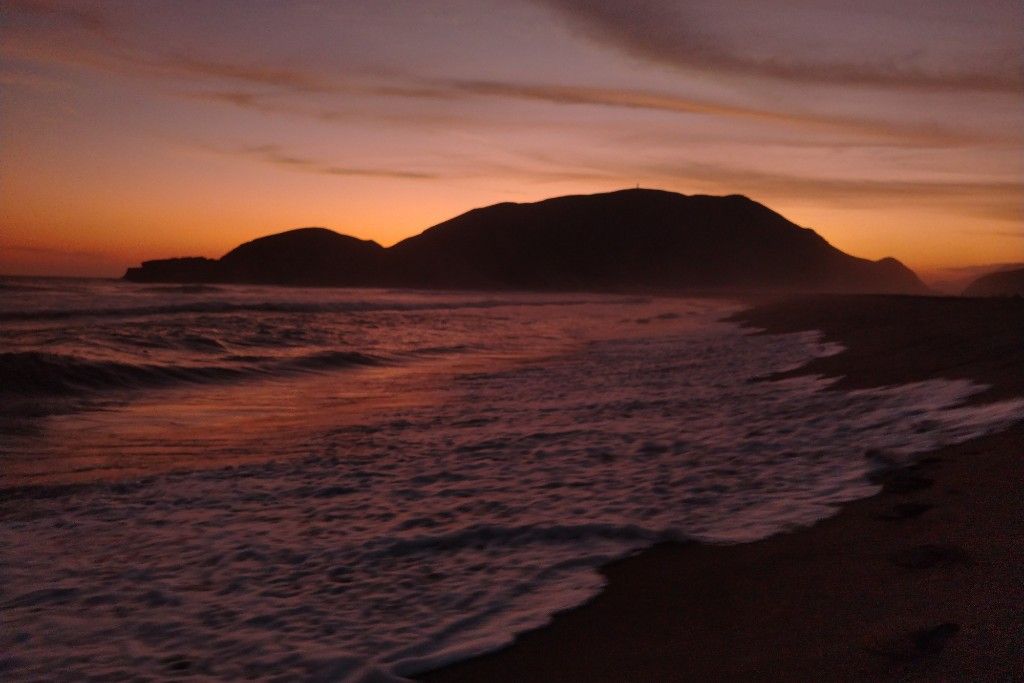
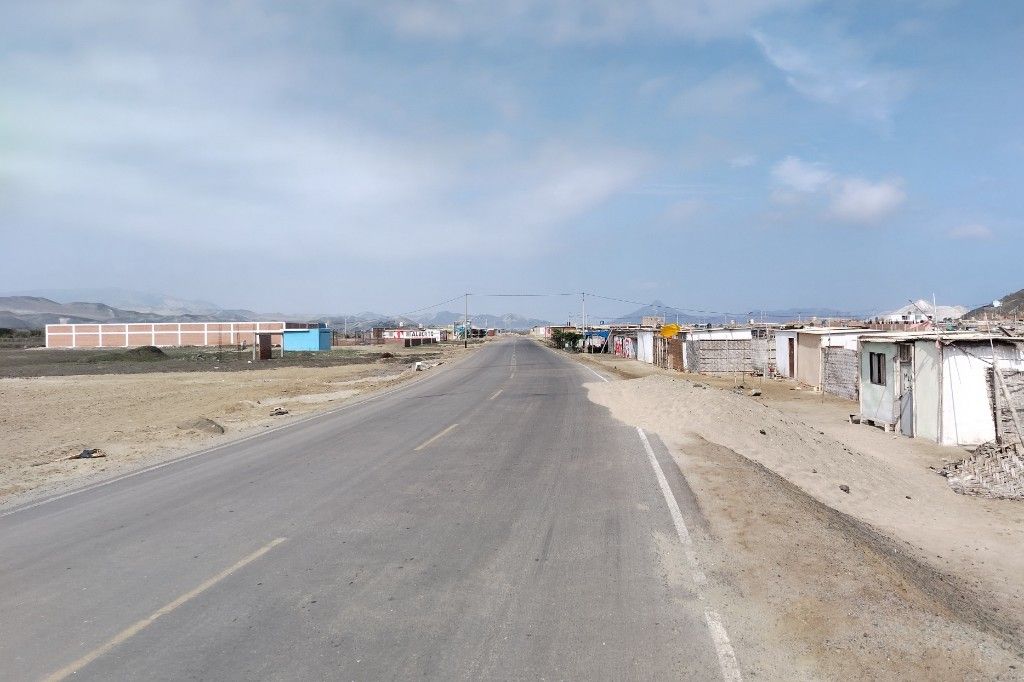
The small fishing village of Los Chimus. Once again, plenty of flimsy chipboard and reed houses.
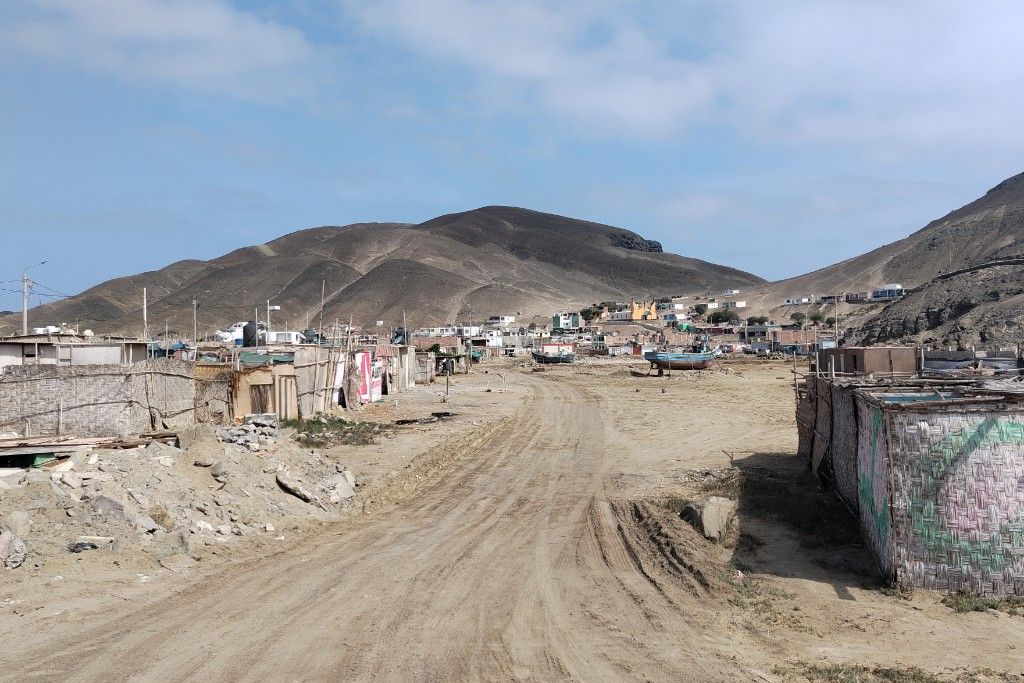
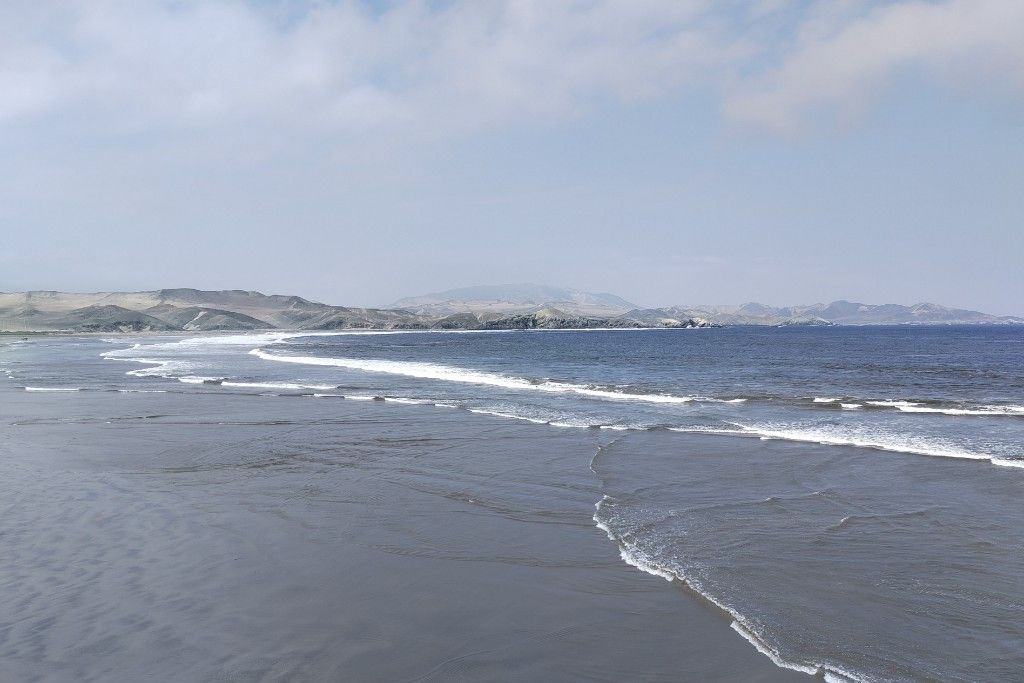
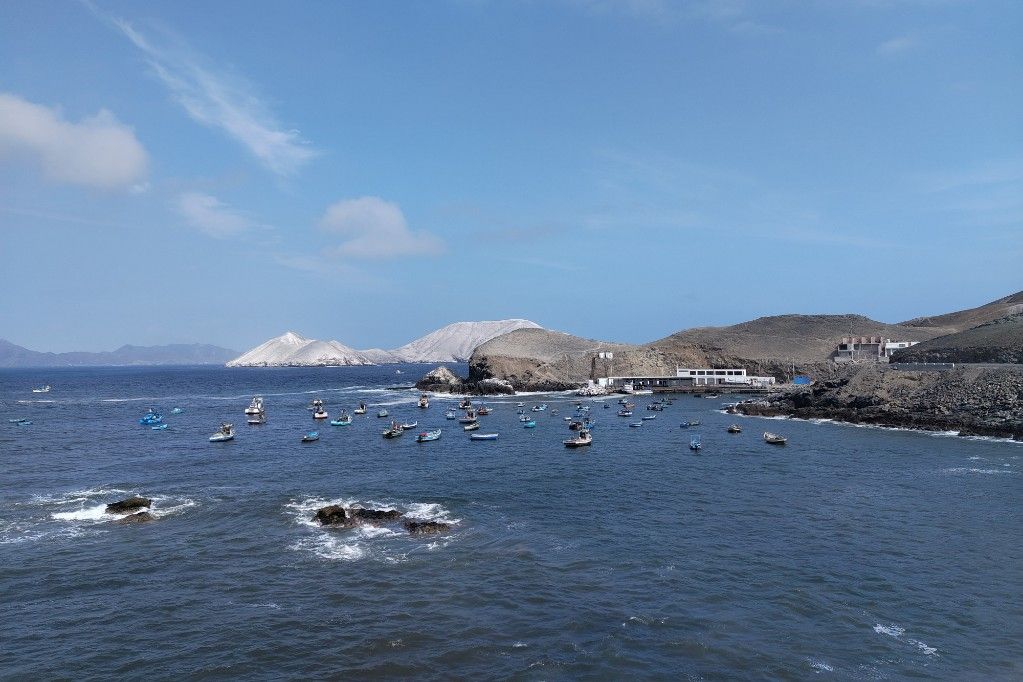
The fishing fleet at Los Chimus. Quite quaint really. Nice to see a whole community built around an industry.
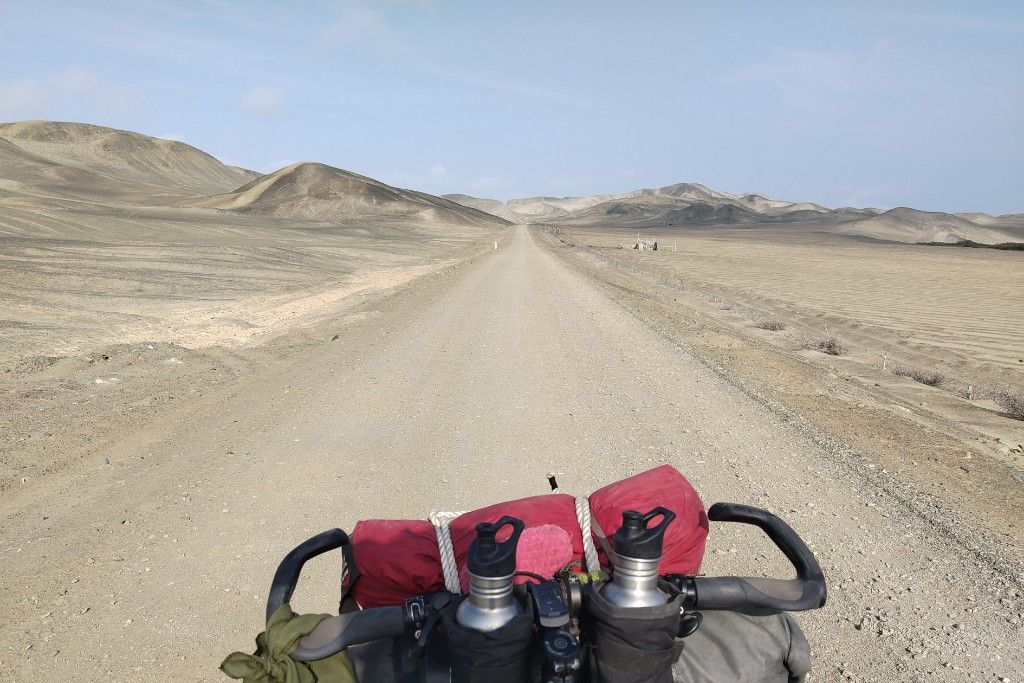
Eager to stay off the Pan-American, I scouted out an adventurous dirt track that linked Los Chimus to Tortugas.
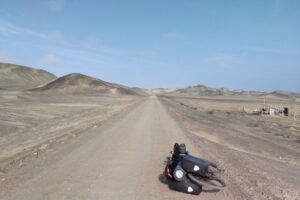
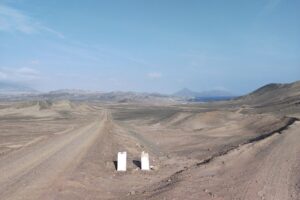
Kicking myself that I didn’t bring the mountain bike.
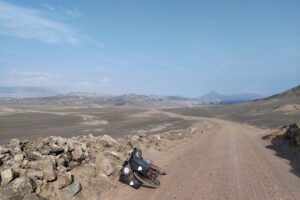
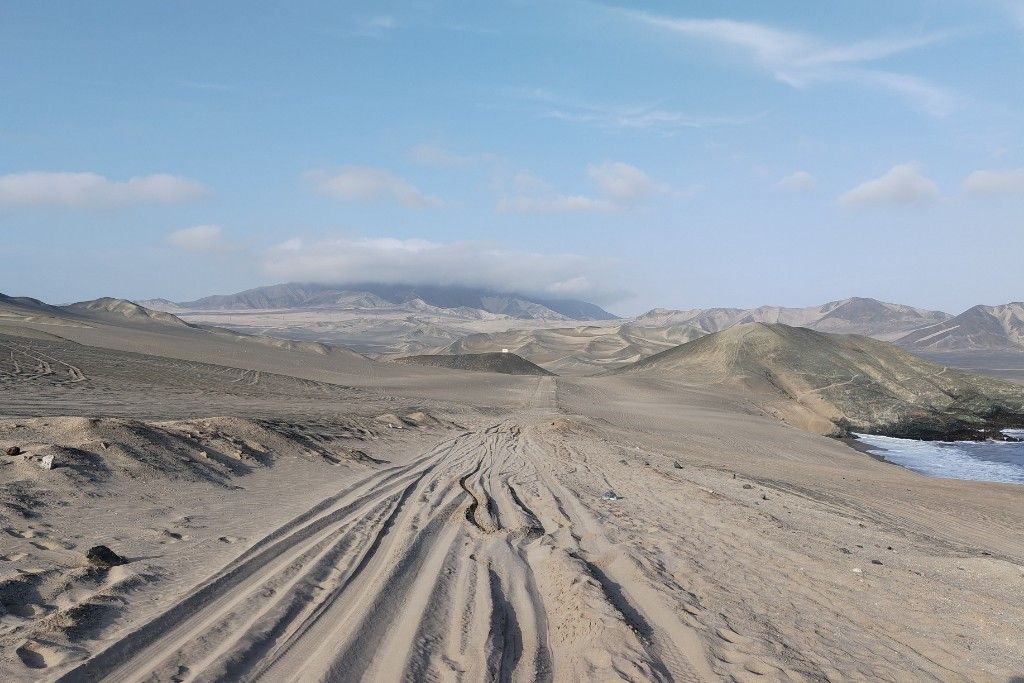
Absolutely fantastic terrain for fat tyres. I generally got brought skidding to a halt by deeper patches of sand like this, but if I got a really good run up and hit them at speed, the bike more or less skimmed over the top, with both front and rear wheels wandering side to side at the edge of losing traction. Of course I had a massive grin on my face the whole time…
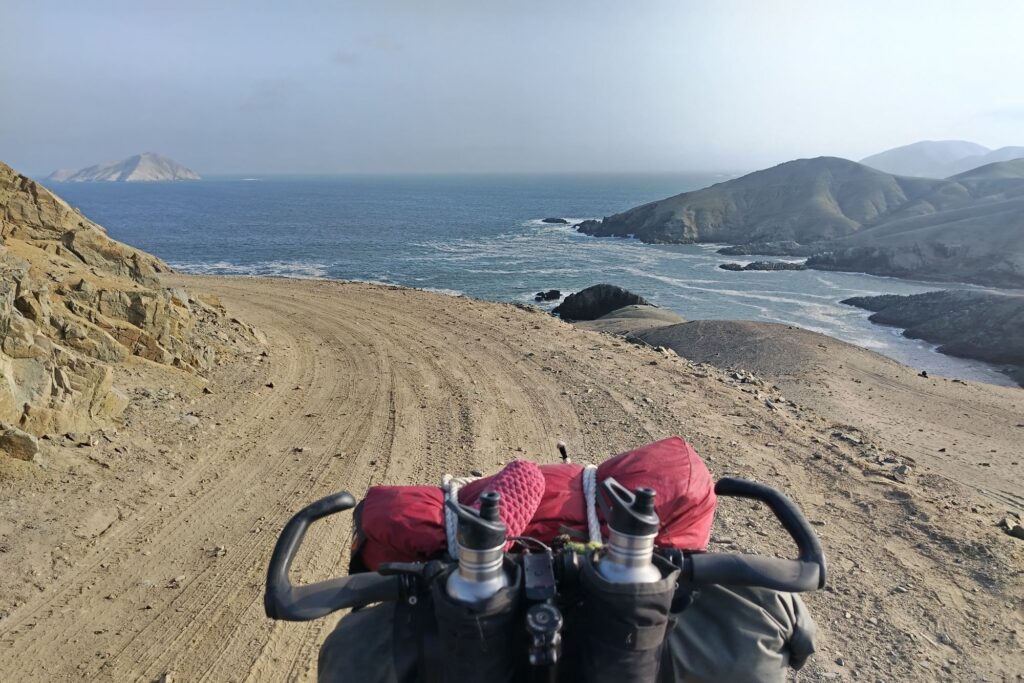
All good things must come to an end. After my unexpected mini-game it was time to make the final stop on my coast ride.
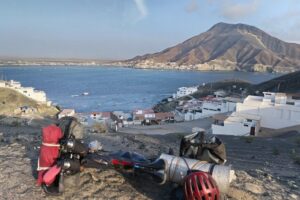
Tortugas.
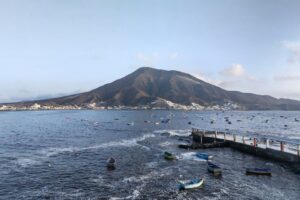
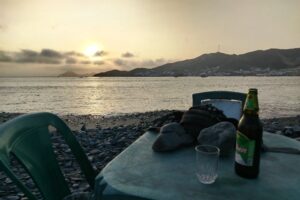
Hotels were crazy expensive here, well over 100 soles (they’re usually only 30). I opted to instead spend my cash on food and beer, before filling up with water and rolling to the outskirts of town to camp.
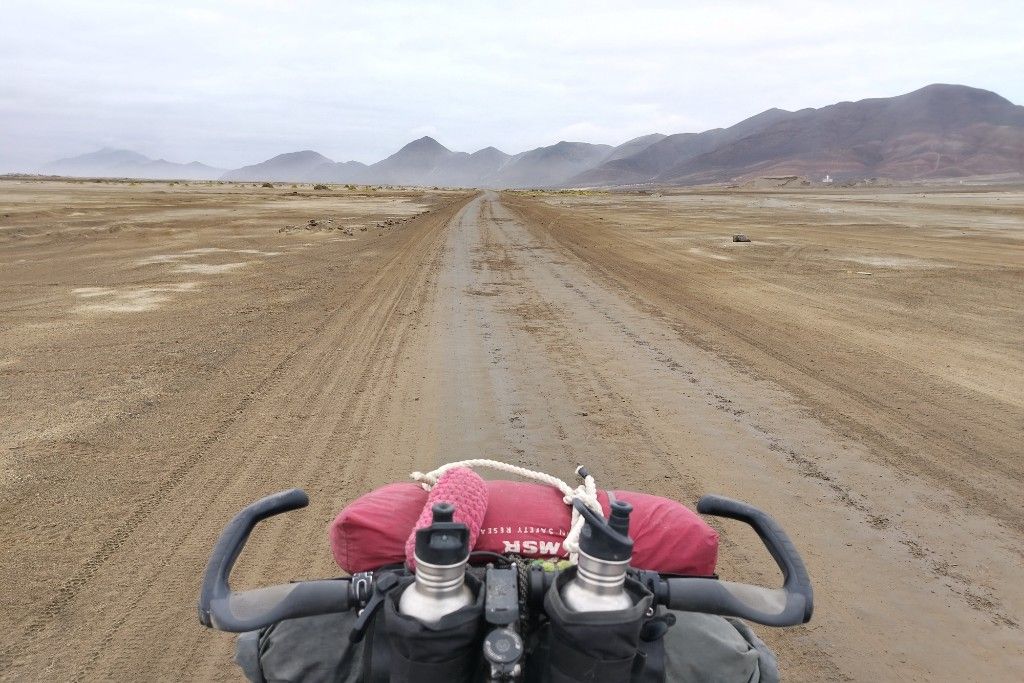
Rolling away from Tortugas the next morning. I’m not sure how I would describe this ecosystem. Soggy desert?
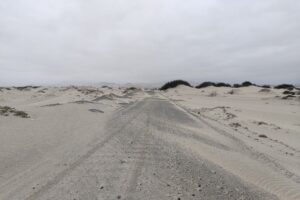
Then sand dunes.
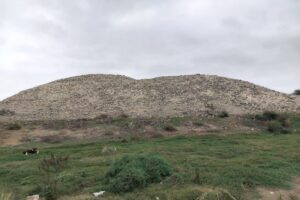
Finally, I ended up on the main highway heading up to Huaraz. Not much to report really, except for these ruins. You might think that you are looking at a hill covered with rocks, and you wouldn’t be wrong, but apparently these are the remains of a 3500 year old structure.
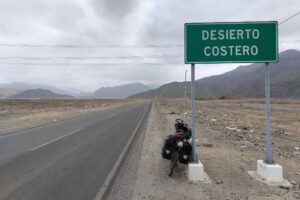
There were a series of roadsigns that indicated the different ecosystems as I climbed up into the mountains.
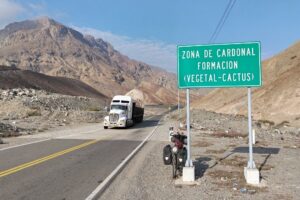
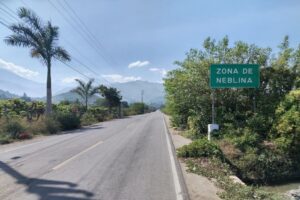
Unfortunately, my luck finally ran out. After two and a half months on the road, I got Moctezumas revenge, Dehli Belly.
I didn’t get much sleep that night. The next day I opted to crawl a short way up the hill to the nearest hostel, and wait it out.
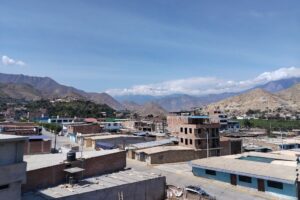
Yaután.
After a whole day off the bike, things were still moving far too freely for my liking. I decided to just grit my teeth and get on with it. Maybe I should have packed the brown shorts?
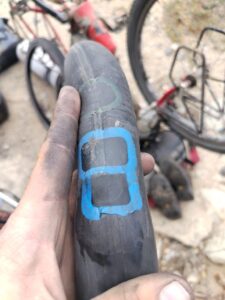
I barely got out of town before getting a puncture. Bizarrely, over the last few weeks I’d had a series of punctures on the inside of the wheel.
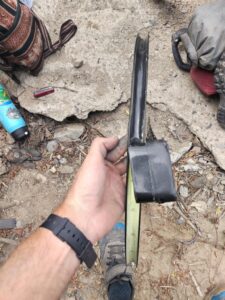
The only reason I could think of was that El Ciclista in Jaén had replaced my aging rim tape with a much thinner Tubeless tape (yellow in the picture). I reckoned that somehow my tube was getting itself into mischief with the spoke holes. I decided to try beefing it up a bit with a couple of layers of my old faithful Gorilla Tape.
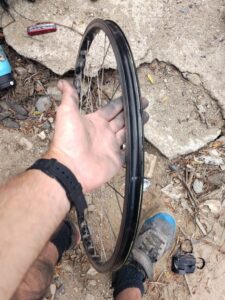
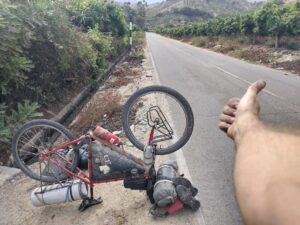
I put a patch on and reinflated. Popped the wheel back on the bike. The repair instantly failed, dumping all of the air out.
After a short reflection I decided that I really couldn’t be bothered with messing around with inner tubes anymore, and I didn’t really fancy riding all the way up into the mountains with diarrhoea. Time to let internal combustion do the heavy lifting…