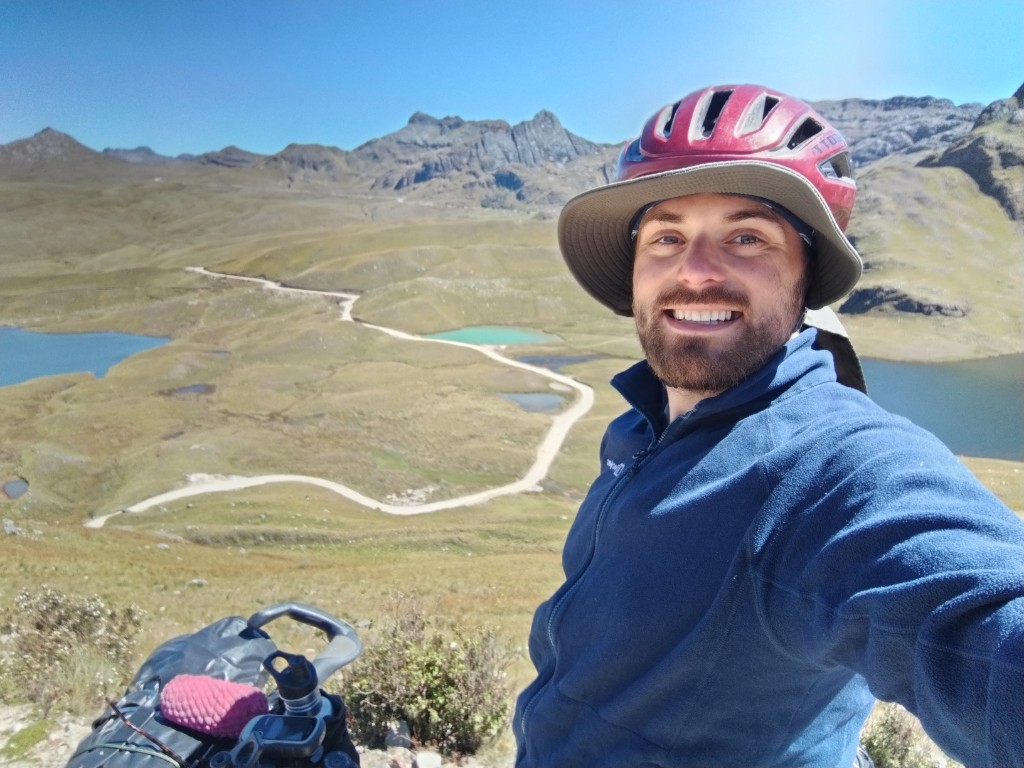
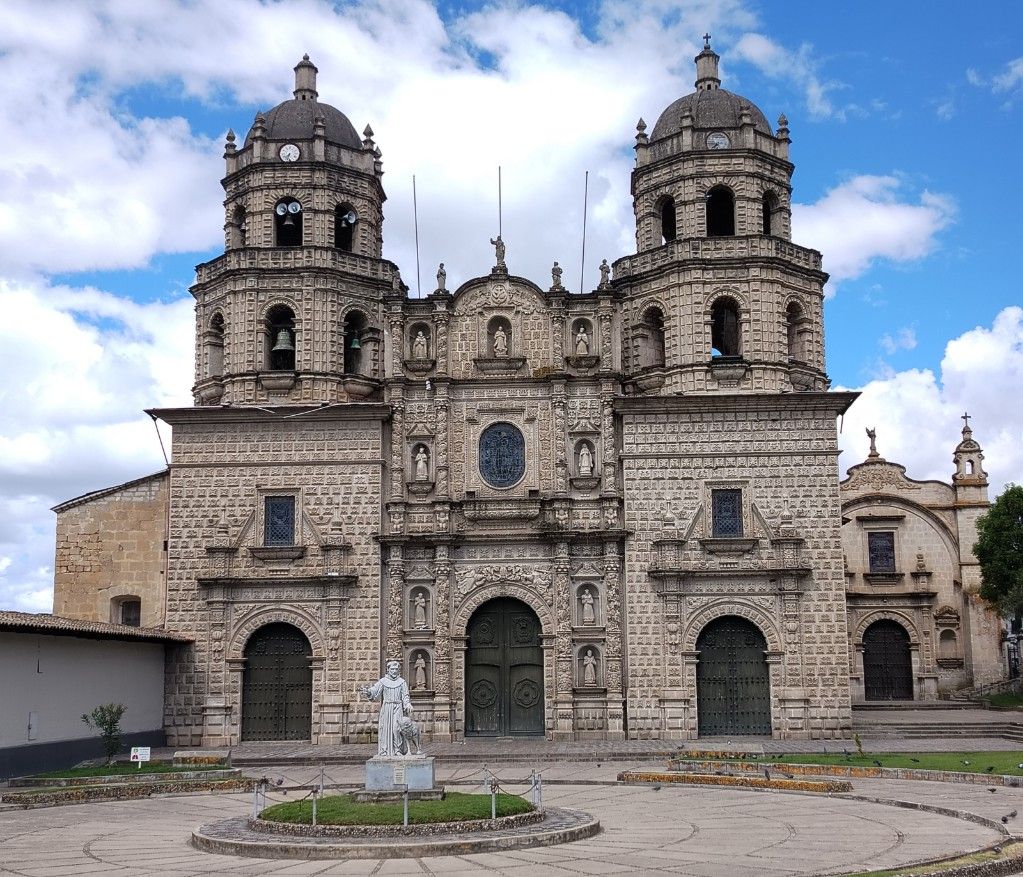
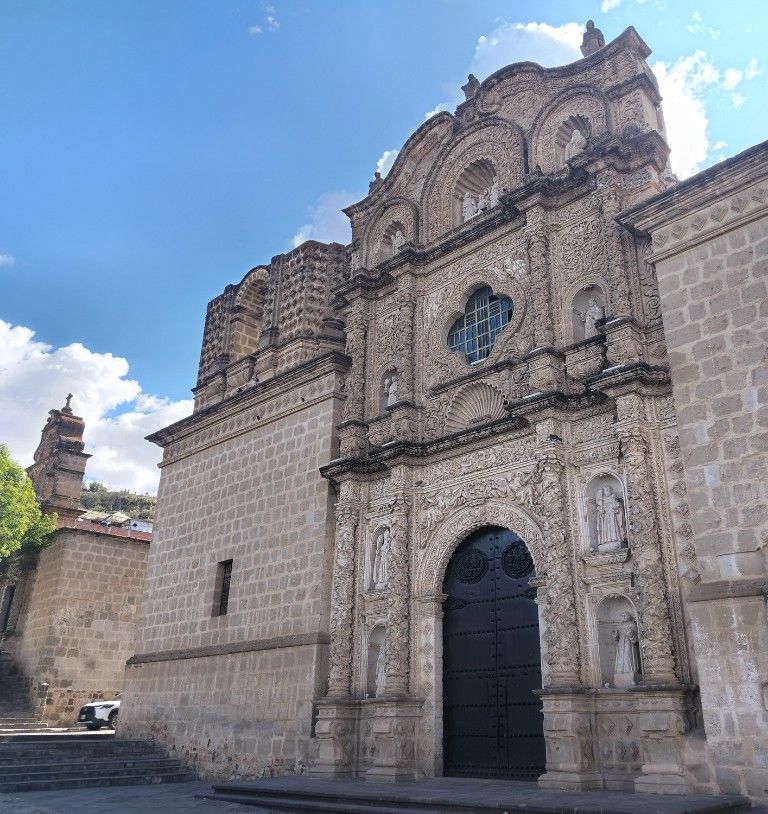
Cajamarca had a couple of interesting pre-inca ruins nearby, and plenty of colonial Spanish architecture in the city itself.
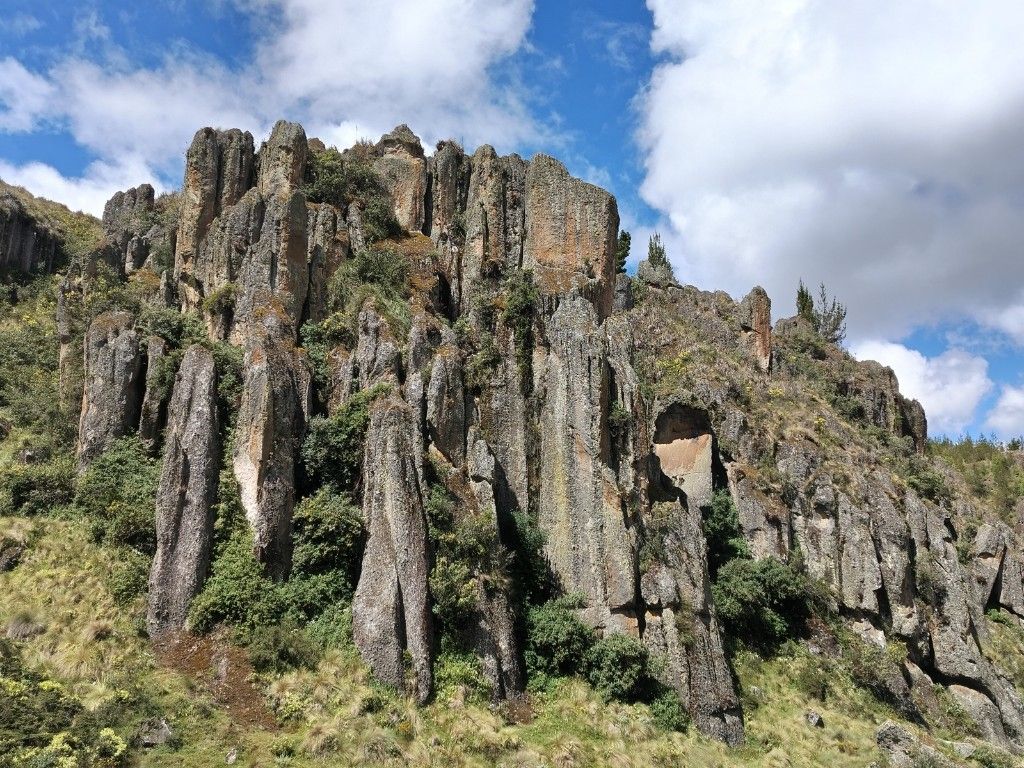
While these rock formations in Cumbemayo are not man made, it appears that the ancient Cajamarcans considered them sacred, and went to incredible lengths to engineer an aquaduct that supplied its waters to their settlements, many kilometres away.
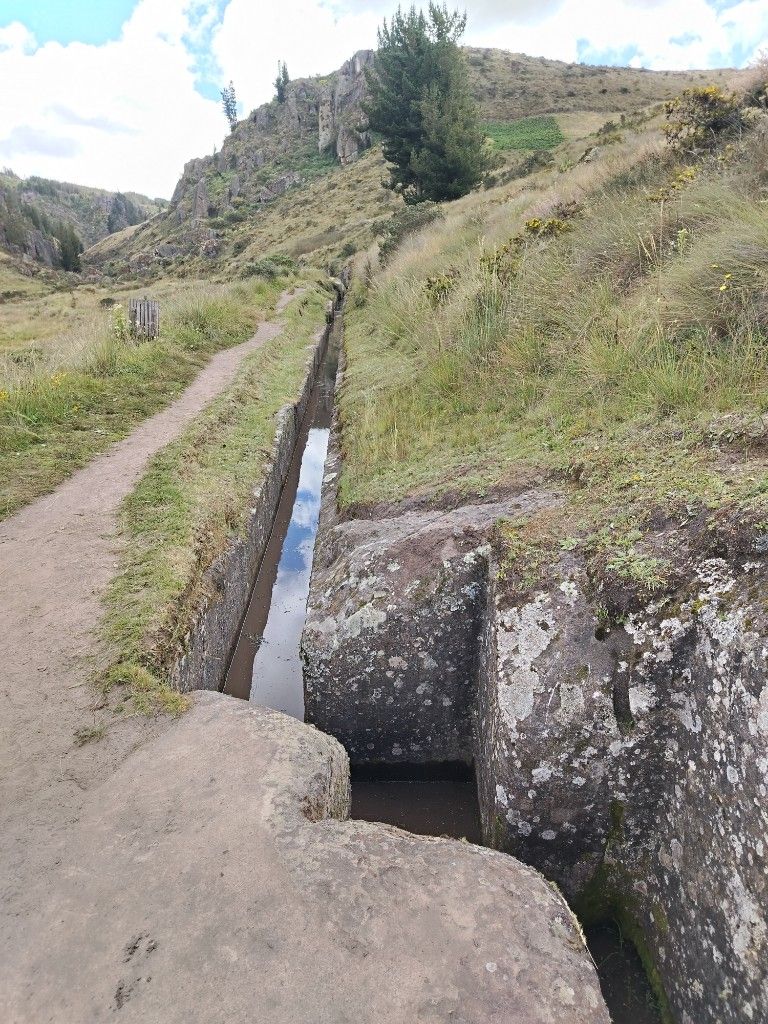
Cumbemayo aquaduct was constructed between 3000 and 3500 years ago. Imagine working on this with only stone tools available!
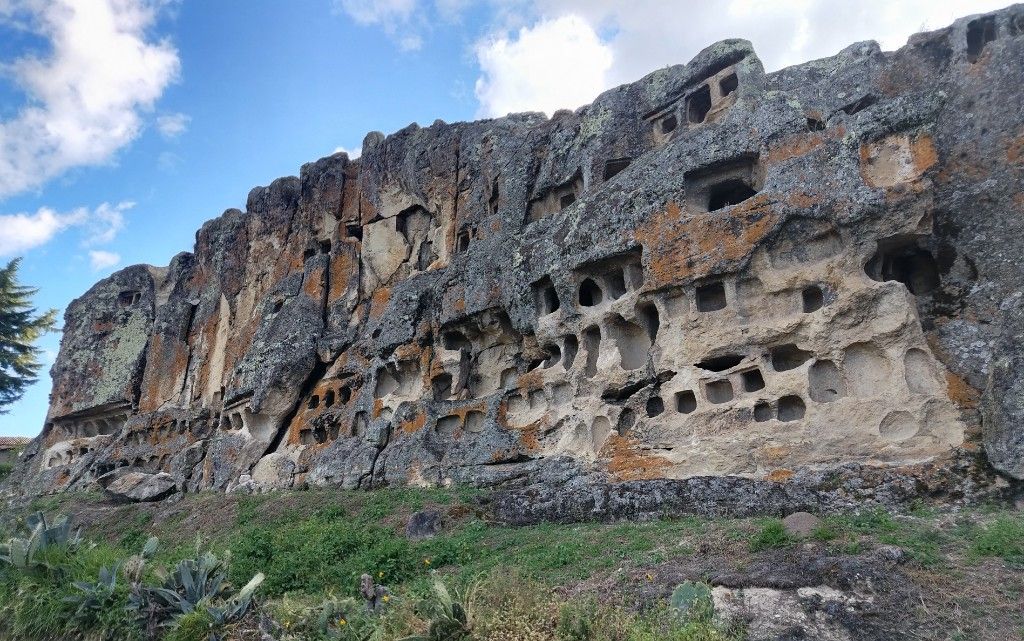
Otuzco. The ancient Cajamarcans interred the dead of their elite in stone tombs on this cliff face. Unfortunately, the whole was looted hundreds of years ago, but apparently there is still one corpse left in there…
I have never seen such a density of cheese in one place in my life. The city is famous for it. At this point in my journey I could contemplate committing murder in exchange for a block of strong mature English cheddar; Latin American offerings aren’t usually particularly varied.
There were some really delicious options available in Cajamarca, I settled on a brick of smokey provolone, which did the job very nicely.
I fixed a few punctures on my spare inner tubes, and messed around strapping my tent to the front of the bike with a harness improvised from two leather belts, hoping to reduce wear and tear on the rear wheel, and making the bike feel happier off-road.
Time to go to Huaraz!
I made it just a touch under 20km, before I noticed the rear wheel bearings making an awful noise. Since I had only just serviced them in Leymebamba, this didn’t bode well at all.
Back to Cajamarca to see a professional.
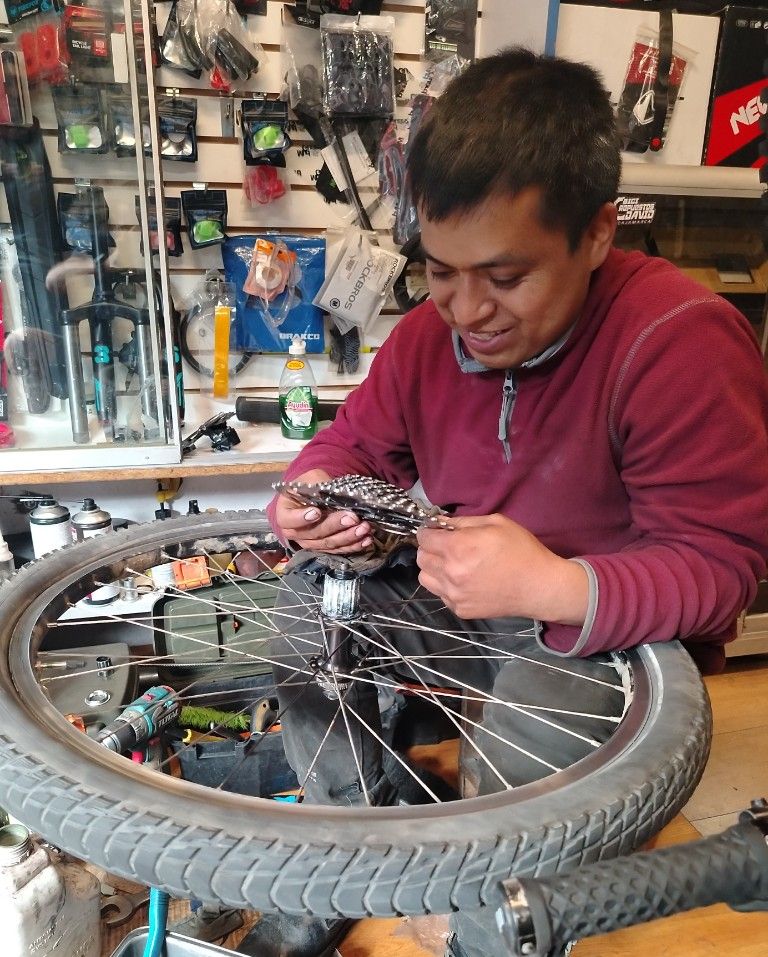
Every cyclist-in-need in Cajamarca seemed to be visiting David. Apparently he is the local legend in the city; there was a queue at his door all afternoon. It was a real pleasure to watch him work, his hands moved rapidly with an economy of effort, carrying out tasks in a fraction of the time that I would have taken.
Regarding wheel bearings, I had ignorantly assumed that you just waited until symptoms showed, and then swapped out the ball bearings.
David assured me that I should have been doing this every 3000 km, regardless of apparent wear.
Well, they had never once been changed between the North Slope of Alaska and Mexico City, and additionally from Quito down to Cajamarca.
Oops.
David patiently explained that these types of bearings go through 3 stages of degeneration, first the bearings themselves, then the cone, and finally the cup in the wheel hub.
Here is a photo of the cone on the cassette side:
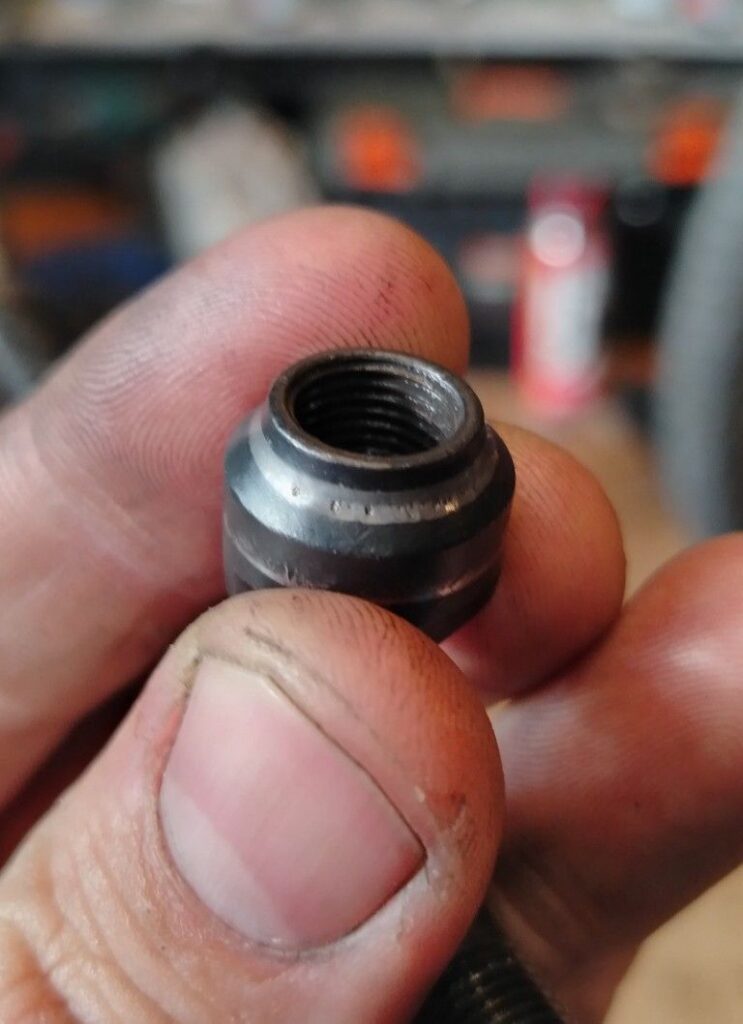
An absolute basket case. The bicycle equivalent of an arthritic hip.
By comparison, the other side of the axle was in much better shape.
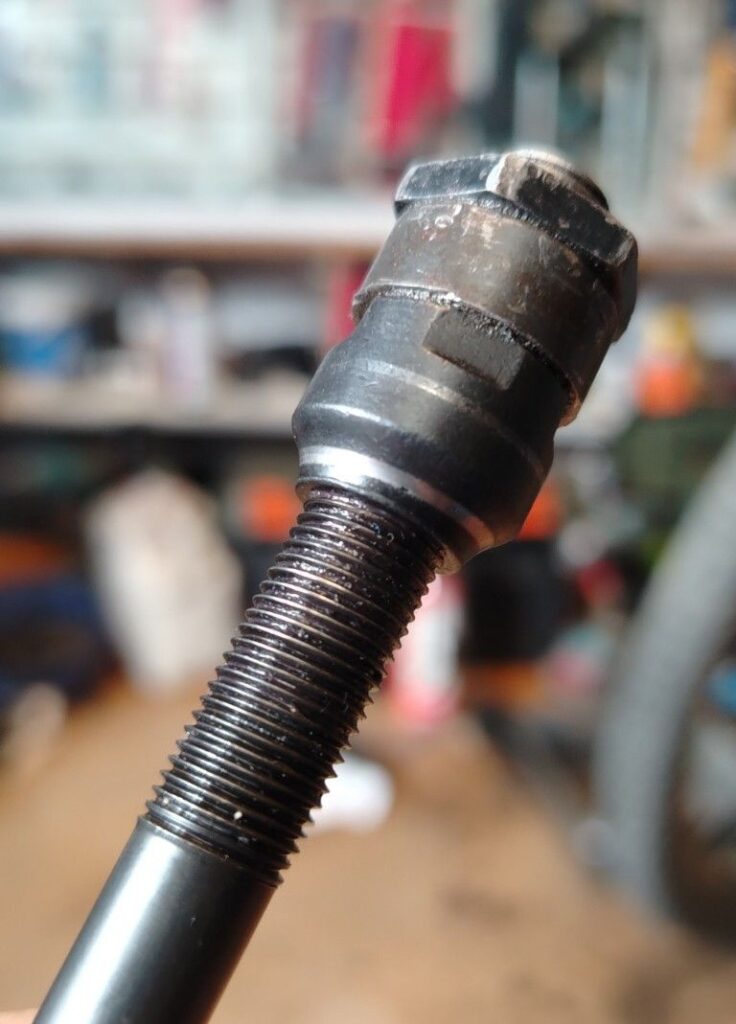
Unfortunately, there was also a bit of scouring on the cup on the cassette side. It would need to be replaced before I could expect to make it to Ushuaia.
David directed me to the Shimano importer in Lima, but they didn’t have the parts that I needed. While ball bearings and axles of this type are more or less universal, cones are specific to their corresponding model of hub.
I could just put a new hub in, but that would require someone to rebuild the wheel around it, which would take a lot of time. David certainly wanted to steer me away from that option, he was constantly busy. I could also just buy a new wheel, but my current one had been built strong to take the abuse of an expedition, whereas 26” wheels off the shelf are often of a pretty poor quality.
Fortunately, only the cassette side cup showed wear. This meant that I could simply swap in a new freehub without needing to change the whole wheel hub.
I put in my second online order of the trip. The new cones and hub would be shipped from the UK. A huge thanks to the members of my family in Upper Beeding, who have been acting as my support crew!
David reckoned that I stood a reasonable chance of making it to Huaraz in my current condition, if I nursed the bike carefully.
This way I wouldn’t be delayed in my travels, since I was already planning to spend a couple of weeks down there exploring the mountains on foot.
I am a bit miffed, because I had asked mechanics in both Quito and Cuenca to open up the bearings and carry out whatever maintenance they deemed necessary. I recall the guy in Cuenca telling me that the front was good, but the rear was slightly off. He didn’t elaborate. I don’t think that he put new bearings in. I am not sure if he inspected the state of the cone, or just repacked with grease and put everything back together.
But really the responsibility of this one rests firmly on my shoulders. I never bothered to properly familiarise myself with this part of the bike, and instead buried my head in the sand, hoping for the best.
One of those things that had to be learned the hard way.
I asked David to check the front wheel bearings, since they were also overdue. Fortunately, everything was pristine. He swapped out the bearings and told me to replace them again after 3000 km. Yes sir!
Time to leave Cajamarca again.
If I did experience a catastrophic failure it should be possible to hitch a ride from passing traffic, or catch a bus.
Would I see Huaraz from the saddle, or from a window?
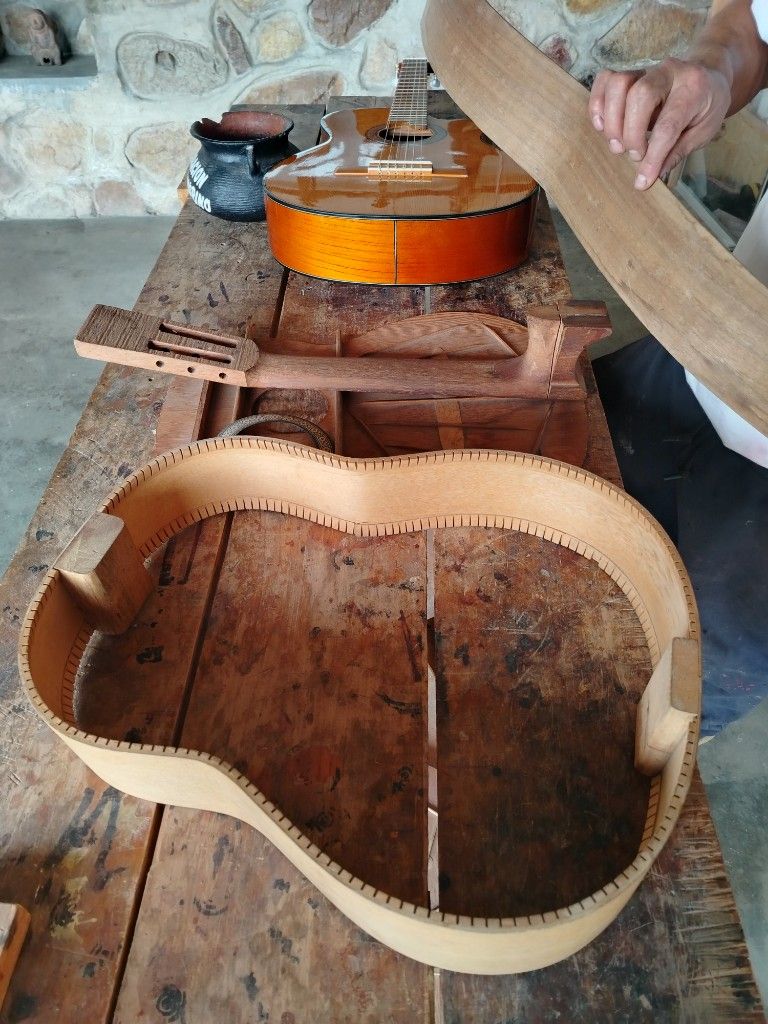
I passed through Namora. A town famous for its luthiers (guitar makers). The whole place was packed full of guitar shops.
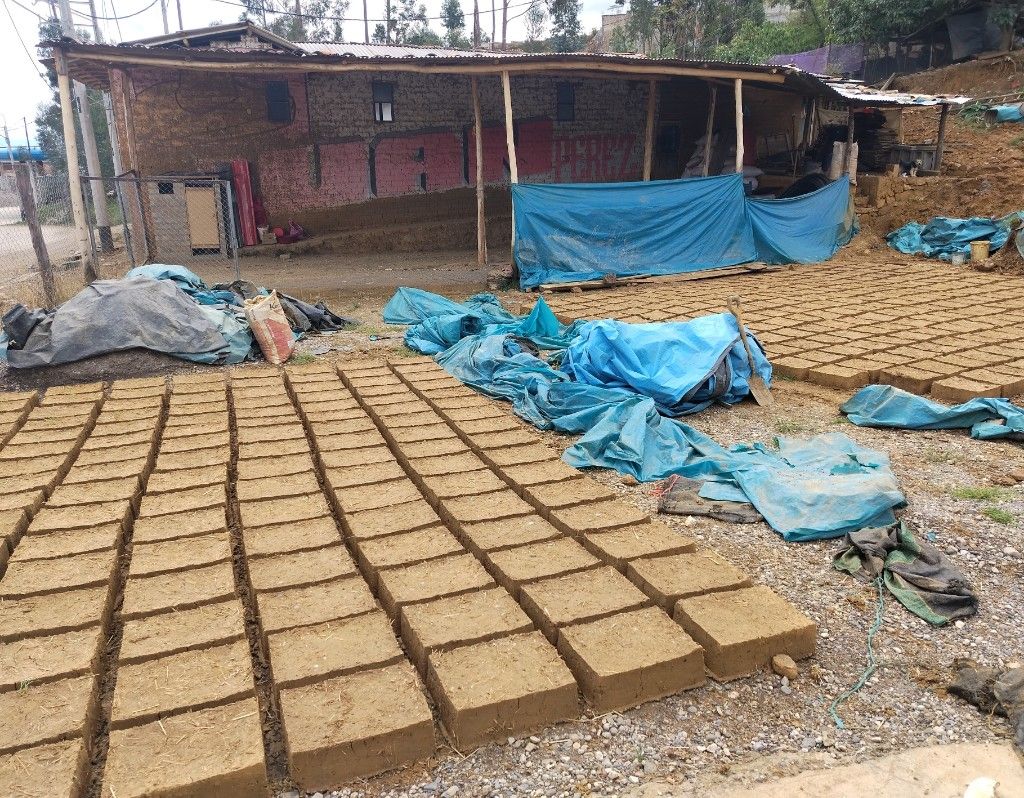
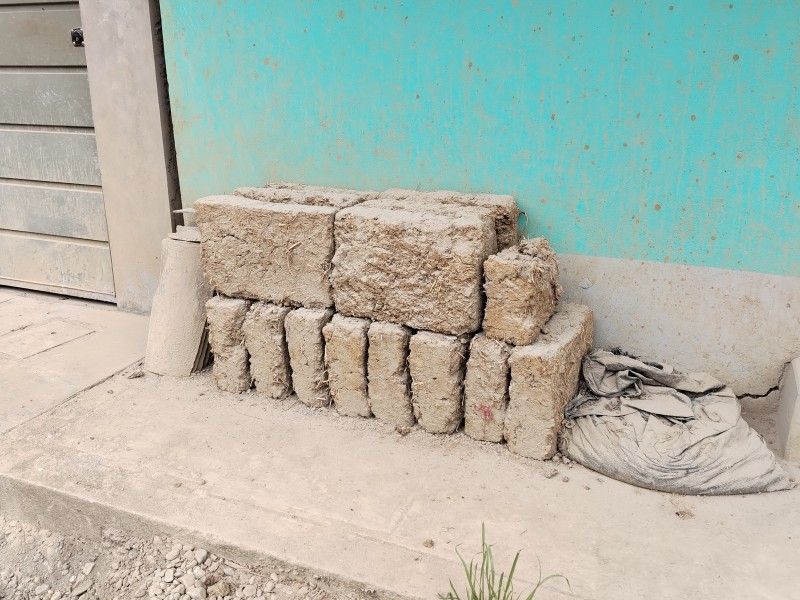
Above: Mud bricks laid out to dry in the sun.
Below: Dried bricks ready to be built into a traditional adobe house.
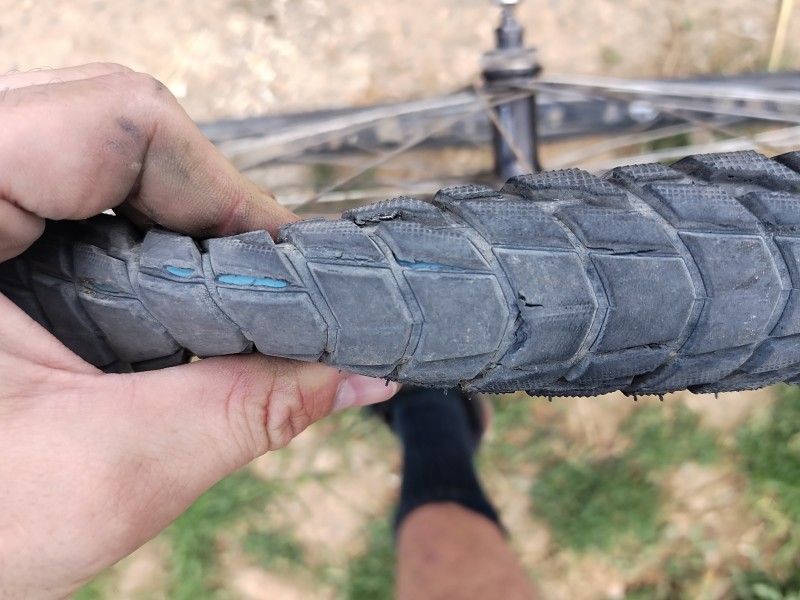
That’s not supposed to look like that… A combination of a big weight on the rear wheel, and high tyre pressures had caused my rear tyre to burst open. The blue that you can see is the Shwalbe puncture protection, which is meant to be deep inside. Thankfully, I had had the foresight to pack a spare tyre.
The next time that I head off on a long-distance expedition I will put most of my luggage over the front wheel. Hopefully this will spread out wear and tear more evenly, although it isn’t much fun in a headwind. Every day is a learning day…
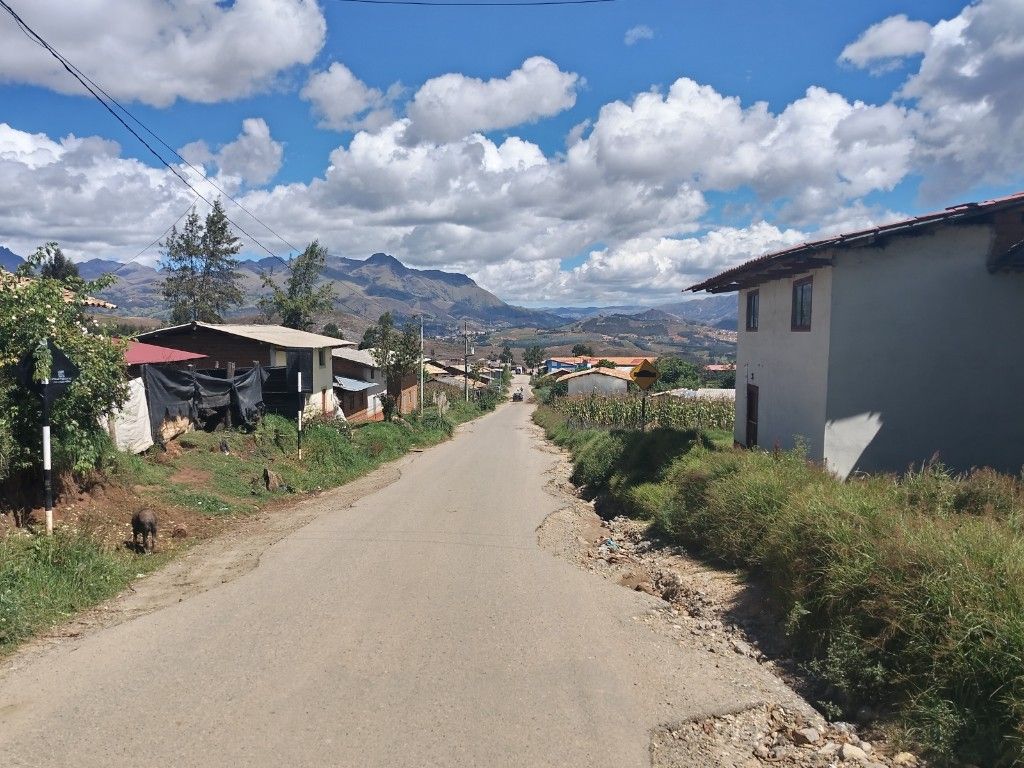
My road took me through many rural communities. The countryside is heavily populated, the hillsides covered with a patchwork of small farms.
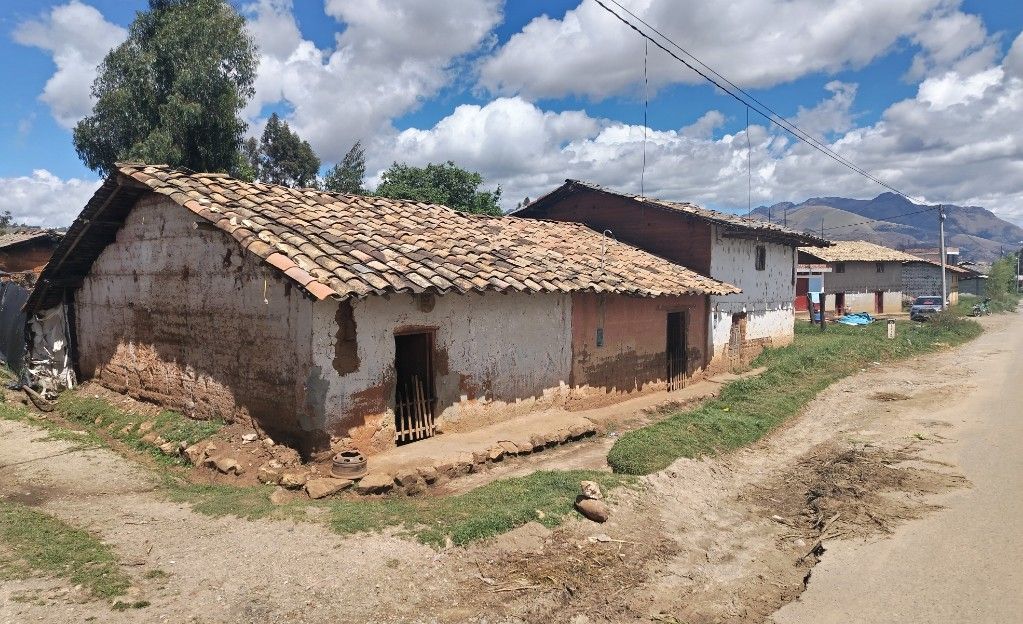
After a few days I made it to Huamachuco, where I needed to make an important decision.
When asked for recommendations, all of the locals had told me to drop down to Trujillo on the coast, and then ride along the very busy Pan-American Highway for a spell, before climbing back up to Caraz. Apparently this route was completely paved, and the going would be smooth.
None of the locals seemed to have attempted the mining roads in the mountains, which I could see clearly on my GPS. Indeed there is even a bikepacking.com route ‘Cajamarca to Caraz’, which makes use of gravel mining tracks to join the dots.
After enjoying light traffic and quiet, twisting rural roads for most of my time in Northern Peru, I didn’t fancy the idea of facing a tsunami of traffic on the multilane highway on the coast.
Which way would be harder on my wheel bearings? 400 km of paved highway, or 200km of gravel? Could I hope to hitch a ride on the mining trails if my rear wheel bearing gave up completely, or would I wind up essentially pushing a cart for tens of kilometres through the mountains?
Well. Bollocks. I’m supposed to be on an adventure here. Let’s not be so quick to dive for the easy option. Whatever happens, it will make a good story…
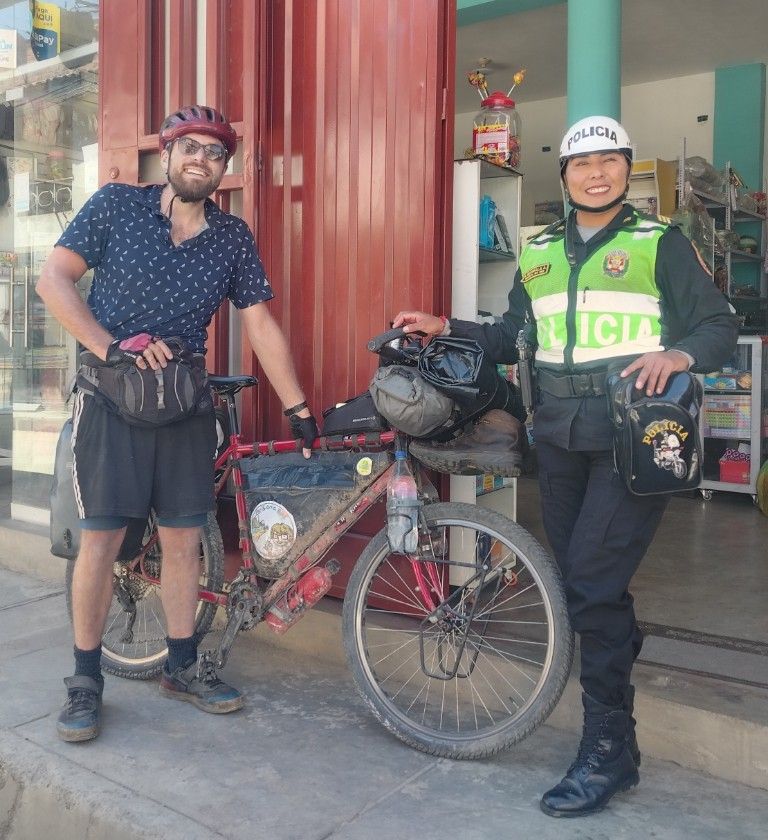
My heart sank when I saw two police officers riding over and calling out to me, but it turned out that Ruth was a fellow cyclist. She was concerned about my proposed route, and insisted that I take her contact information in case I ran into dramas.
Time to hit the big hills.
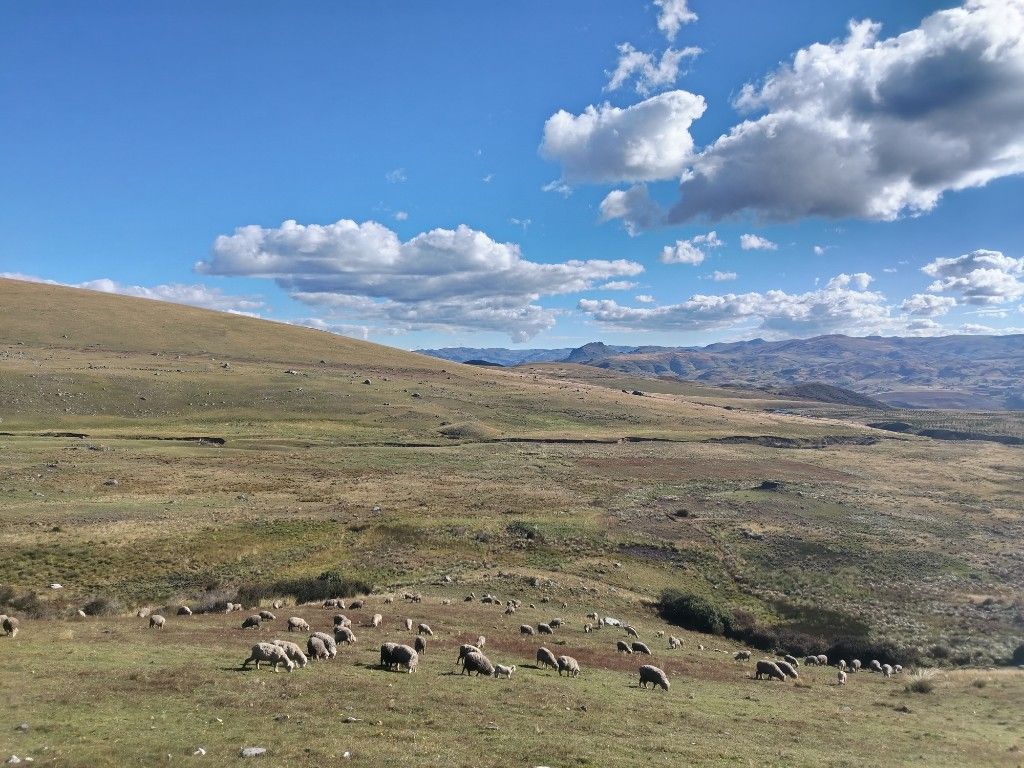
Pampa, high altitude grassland. Sheep grazing and mining seem to be the only activities going on up here.
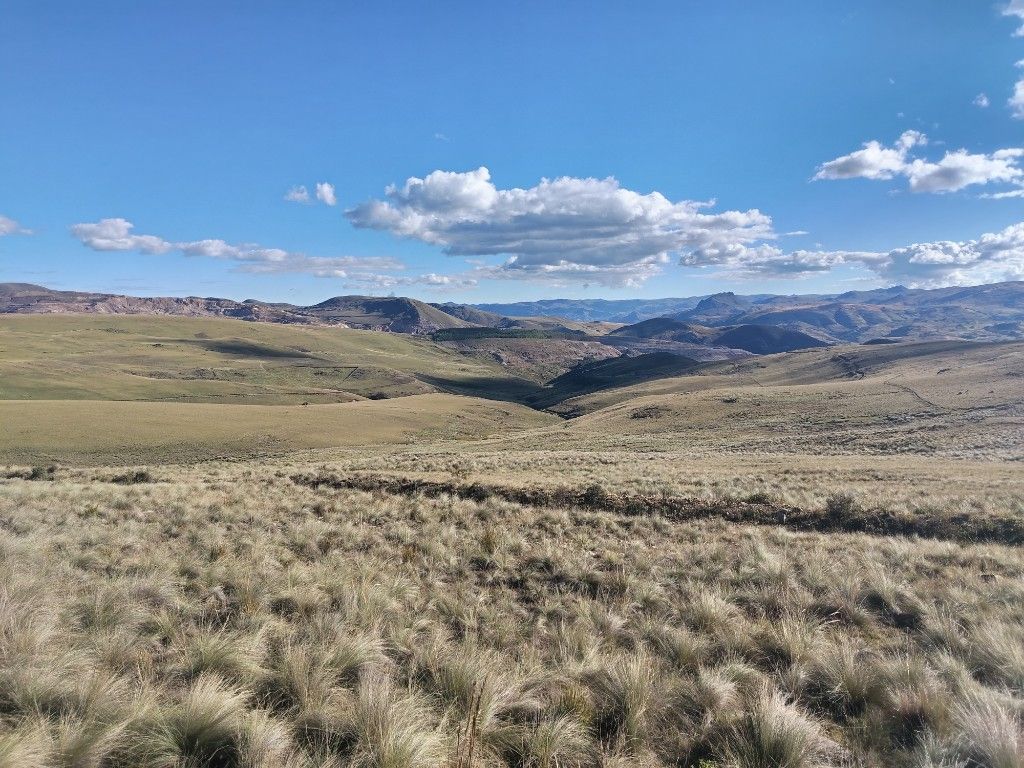
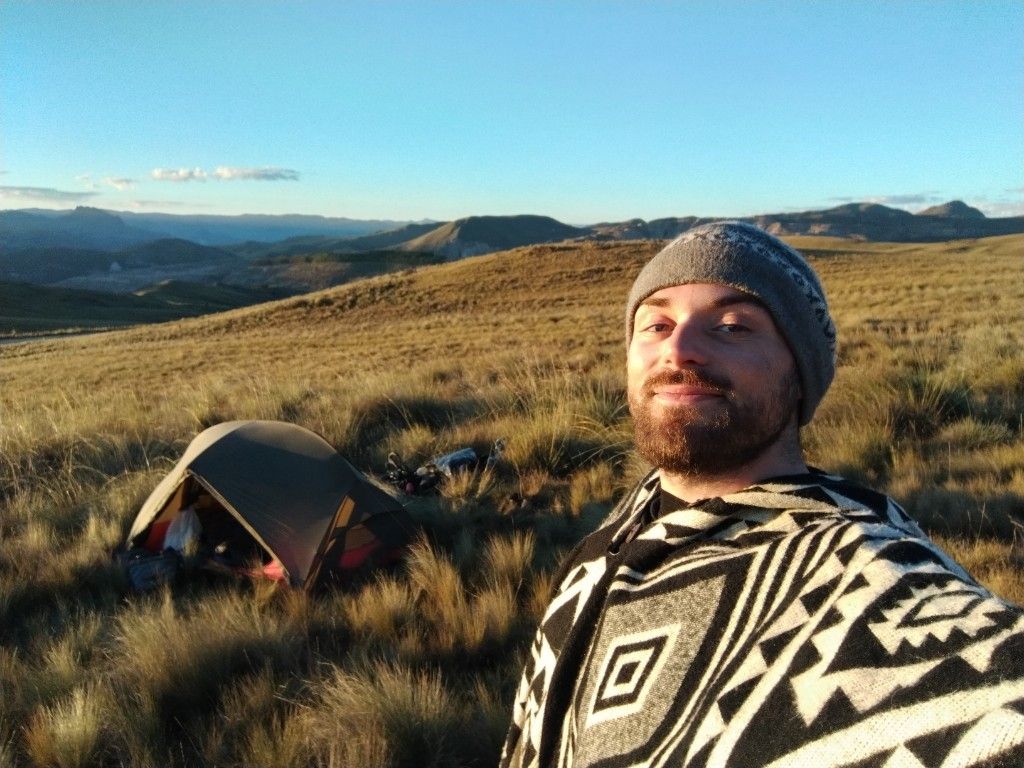
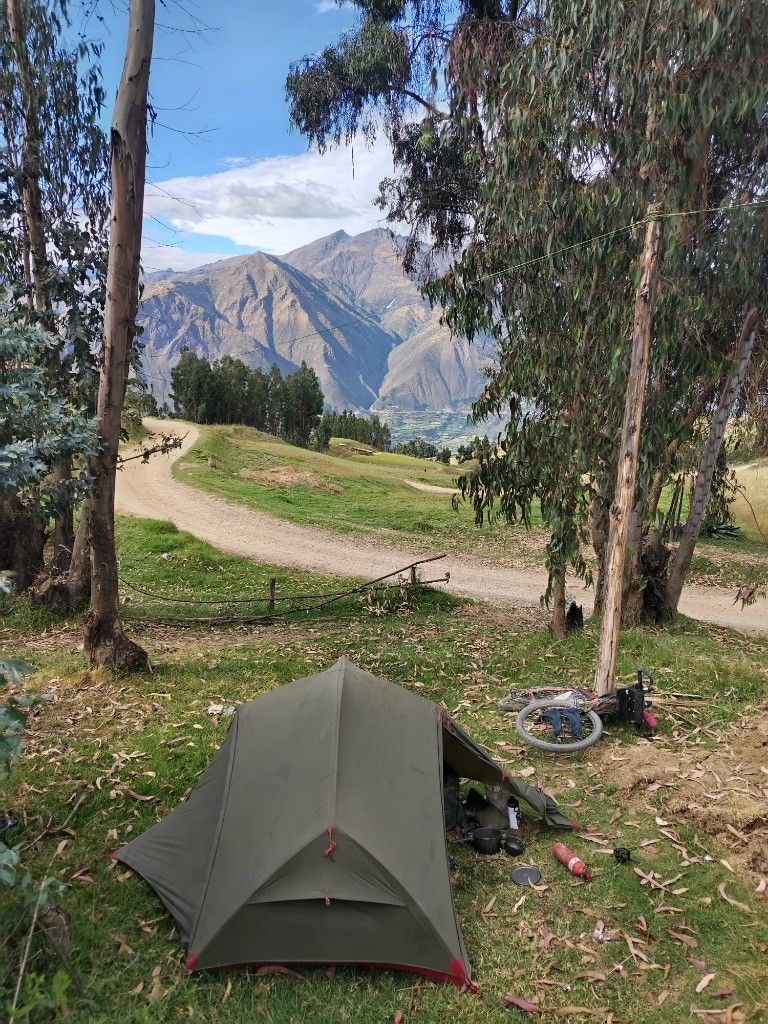
Enjoying the sunset. Despite being in t-shirt and shorts all day, the temperature dropped below zero overnight.
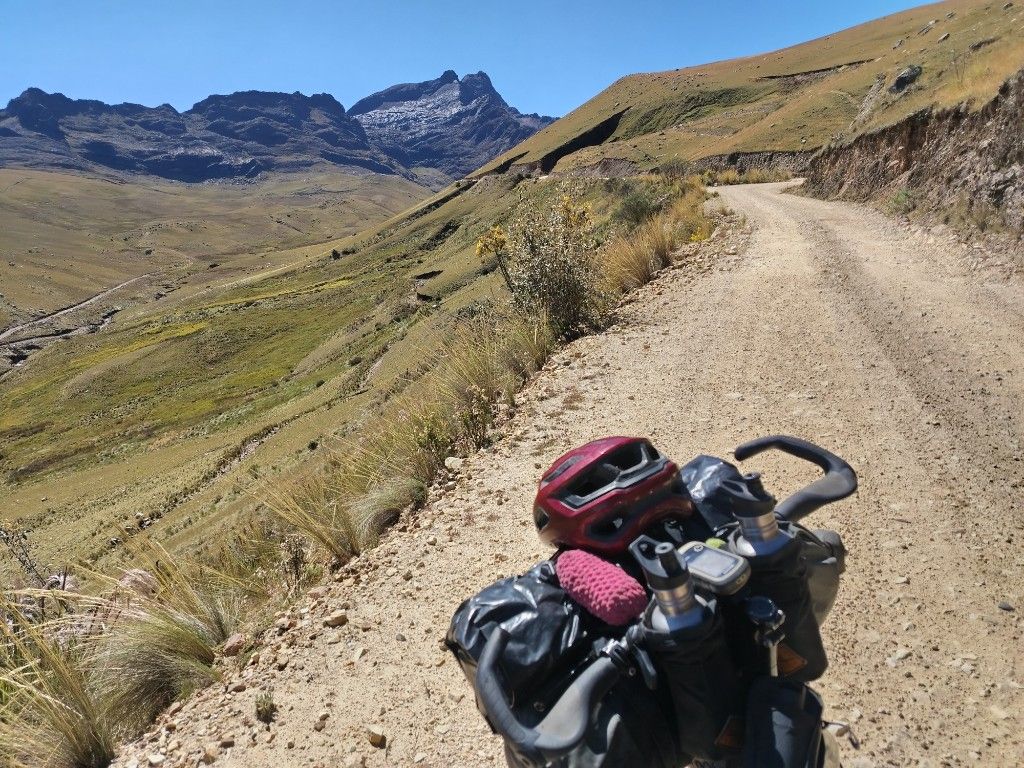
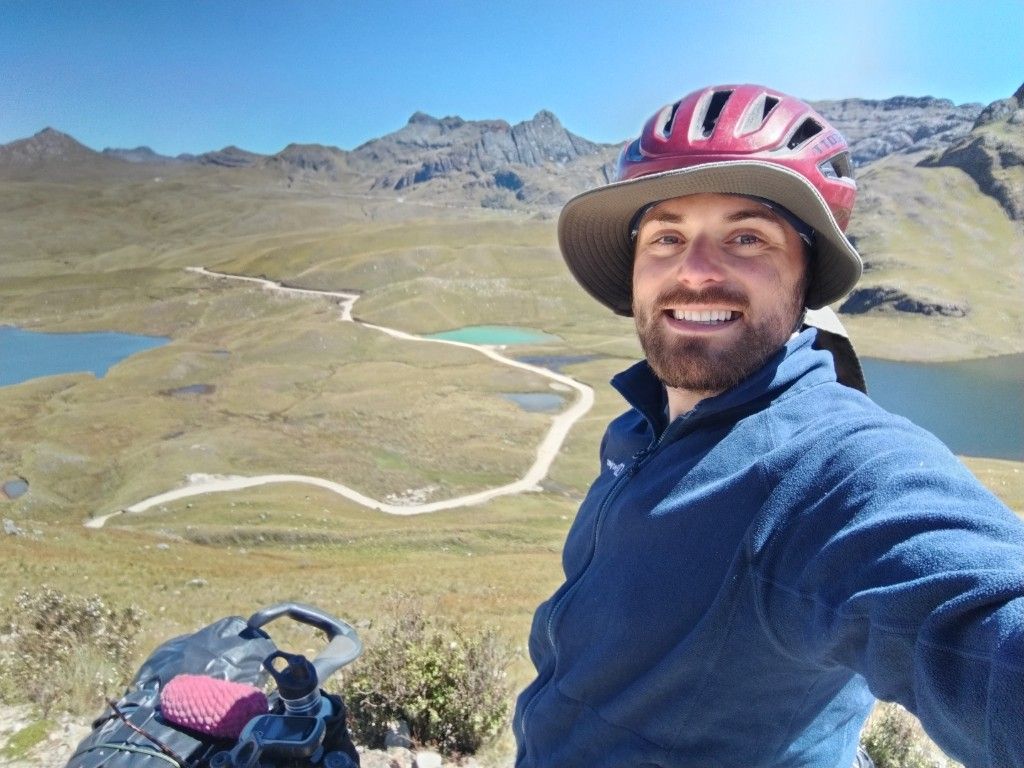
Now this is bike touring!
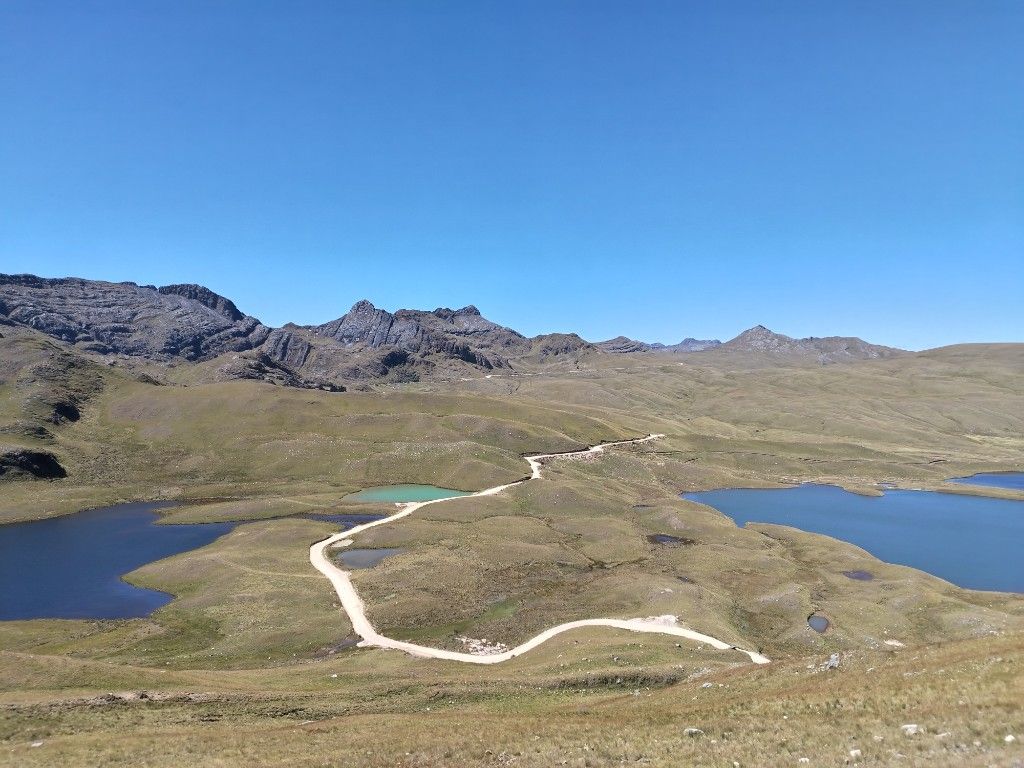
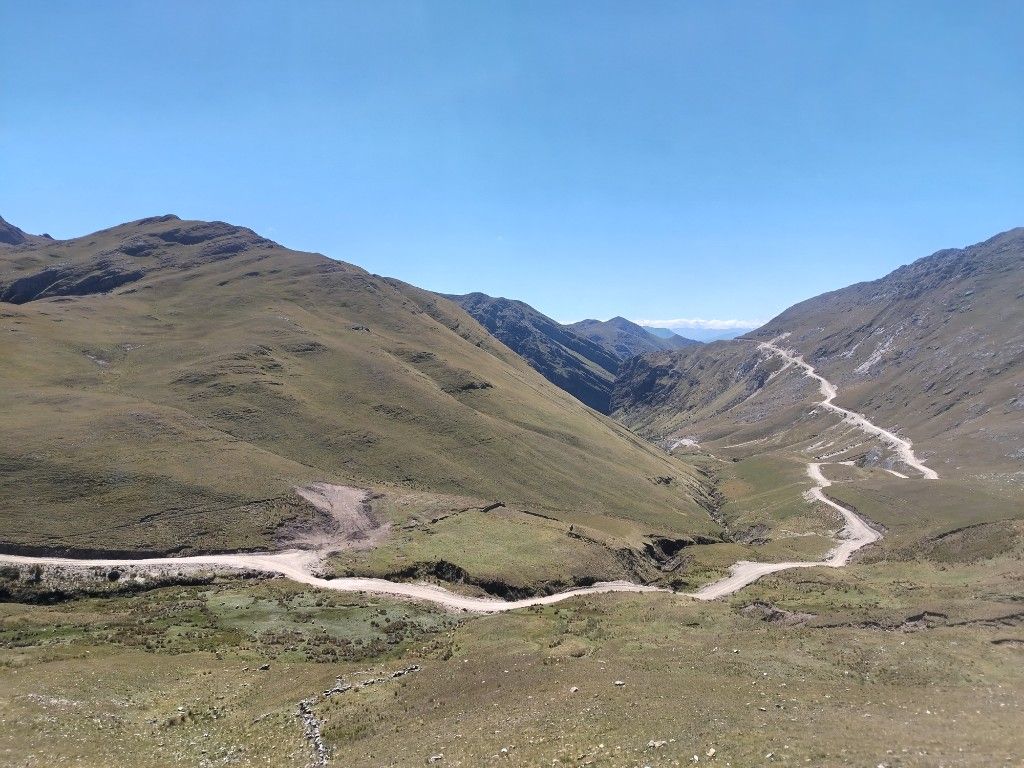
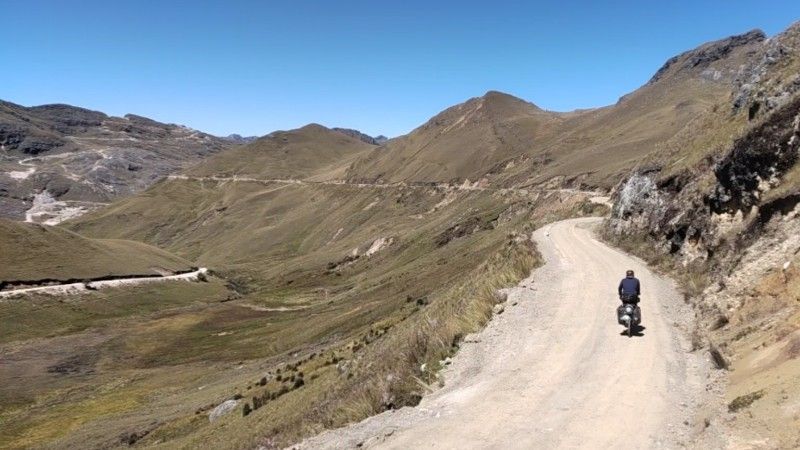
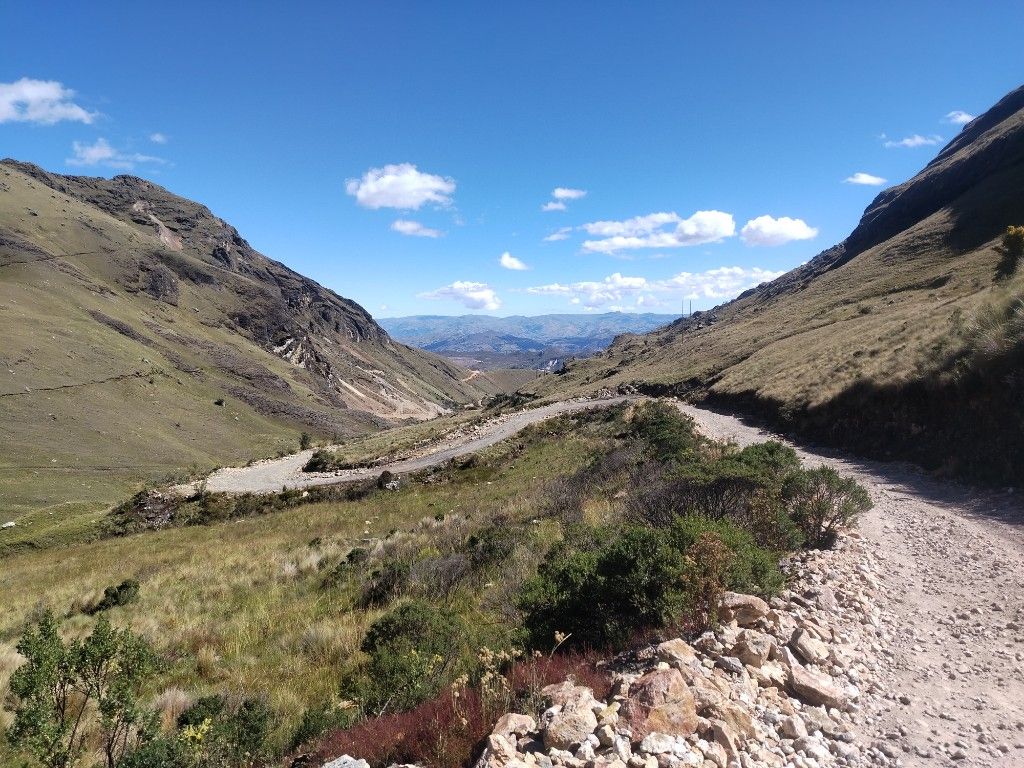
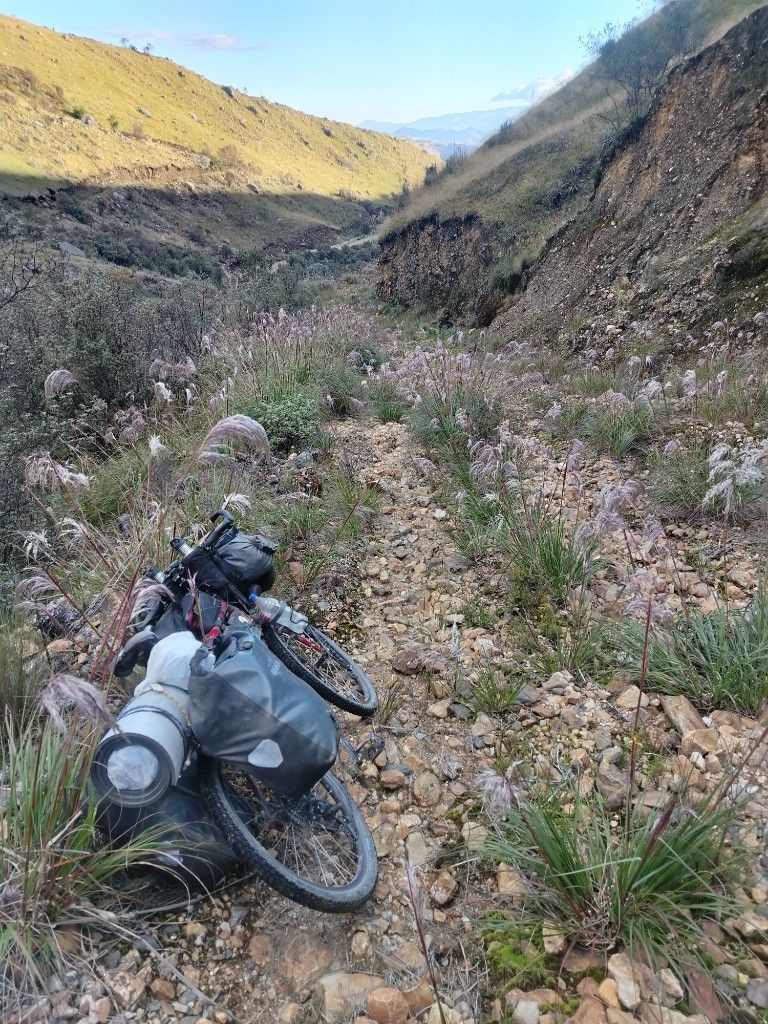
… And then it got difficult. Rocks bigger than my fist. All of a sudden my little 2 inch tyres really struggled, often deflecting the front wheel and skittering all over the place. I had to get off and push, even though it was downhill.
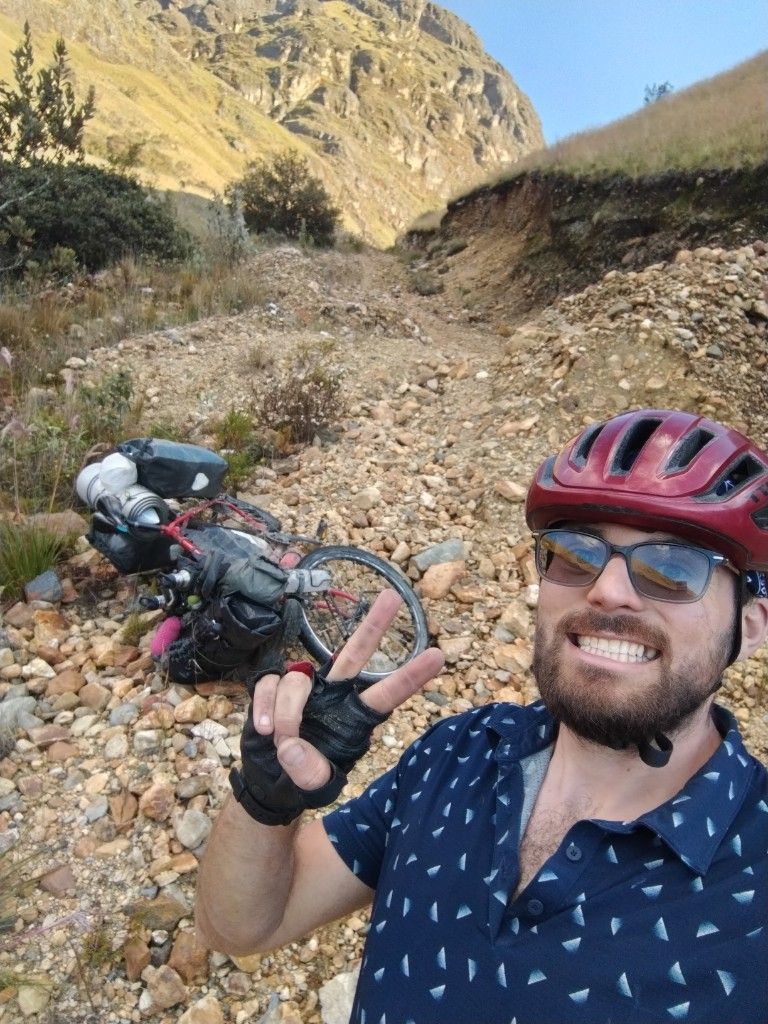
Mandatory spill selfie. Could not keep the bloody thing upright.
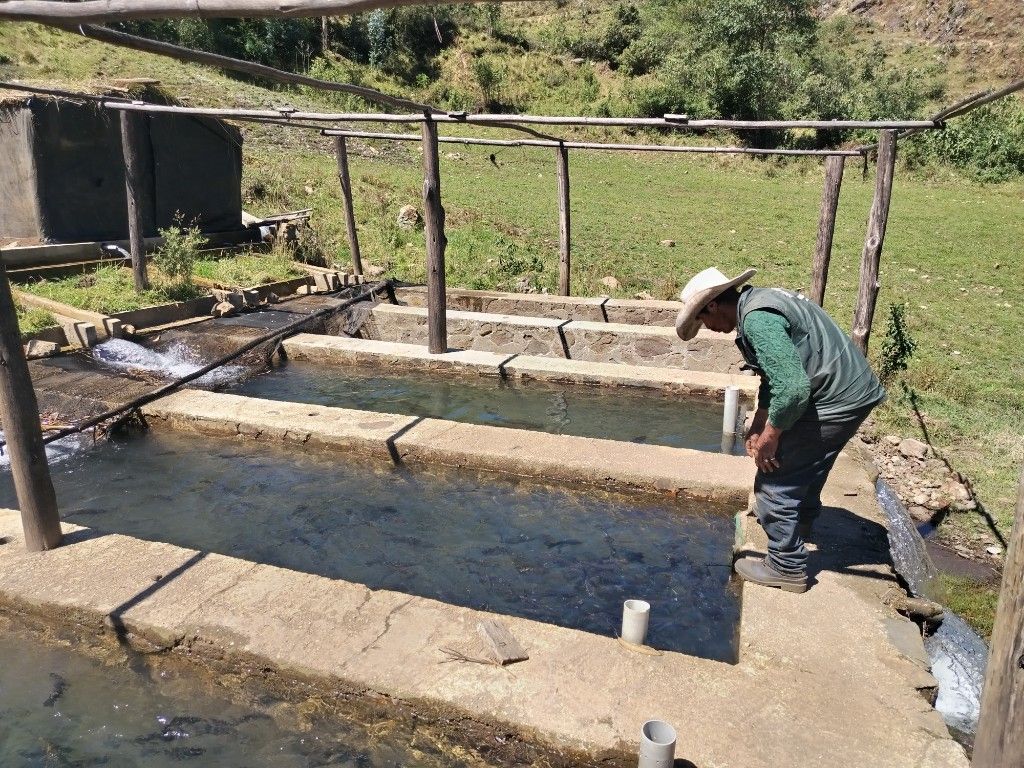
After finally making it to the bottom of the hill, I made camp right next to a farm. The next day I met Castillo, who cheerfully invited me on a tour around the premises. Trout farming is good money apparently!
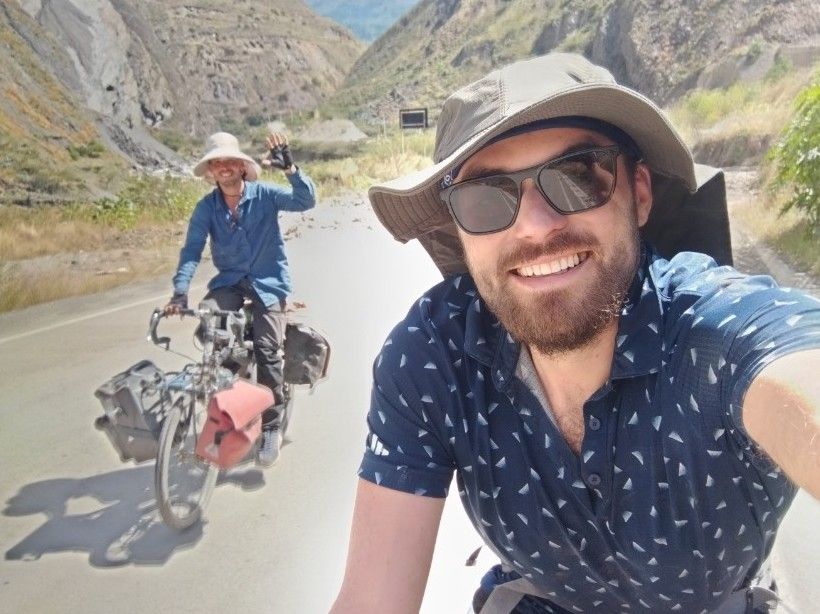
I ran into Yann, an Israeli cyclist, while repairing a puncture at the bottom of a valley. We had been swapping notes on the trail by WhatsApp for a few days previously.
That day we faced my second biggest day of climbing of the trip to date. 2300m to Pallasca.
Yann asked ‘how are we doing this?’, and went on to explain that he usually hitches a ride to the top of big climbs. I didn’t want to hurt his feelings, but I needed to ride it in order to feel good about myself.
We had a great natter for an hour or so, puffing our way up the switchbacks.
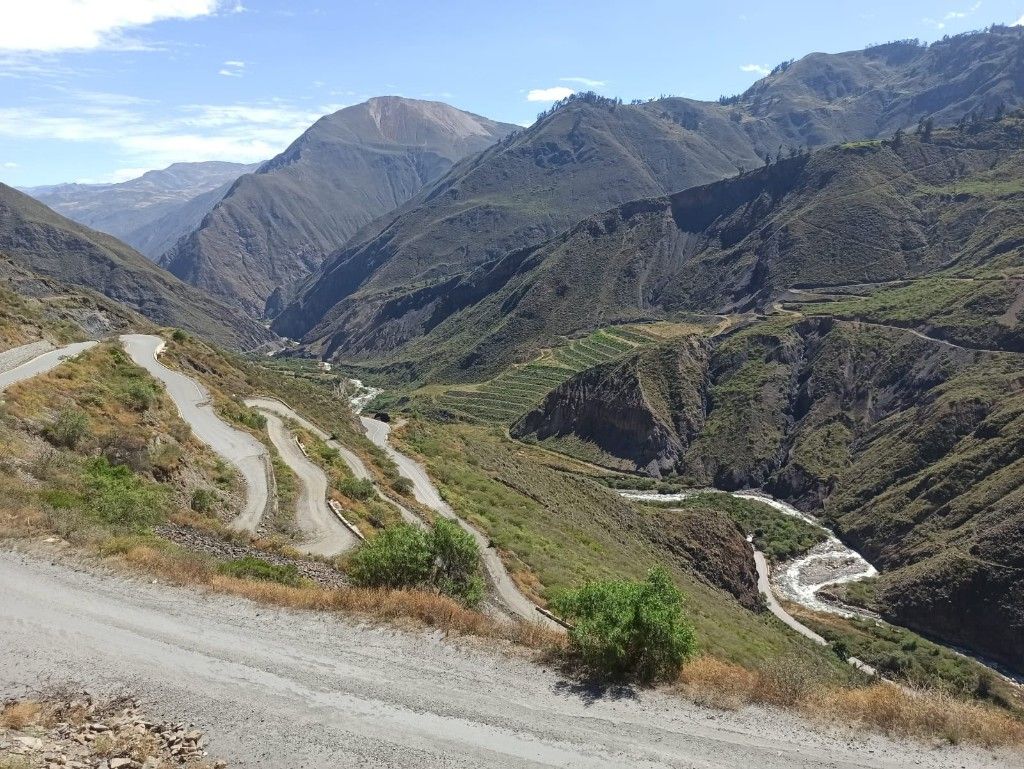
Eventually, a police pickup truck came up behind us, and Yann jumped on board. He invited me to come along, but I really couldn’t justify not riding the climb.
Well, back to riding solo again…
I can see that some riders might look down on Yann for his style of travel, but he’s riding the bits he wants, and not worrying about the bits he doesn’t enjoy.
I’ve certainly been on the receiving end of all kinds of scorn from other riders, mostly the lightweight ‘bikepacker’ crowd. Where’s the love? We are all out here having a lovely time! You do you.
After staying the night in Pallasca, I enjoyed an unexpectedly ruggedly-beautiful descent.
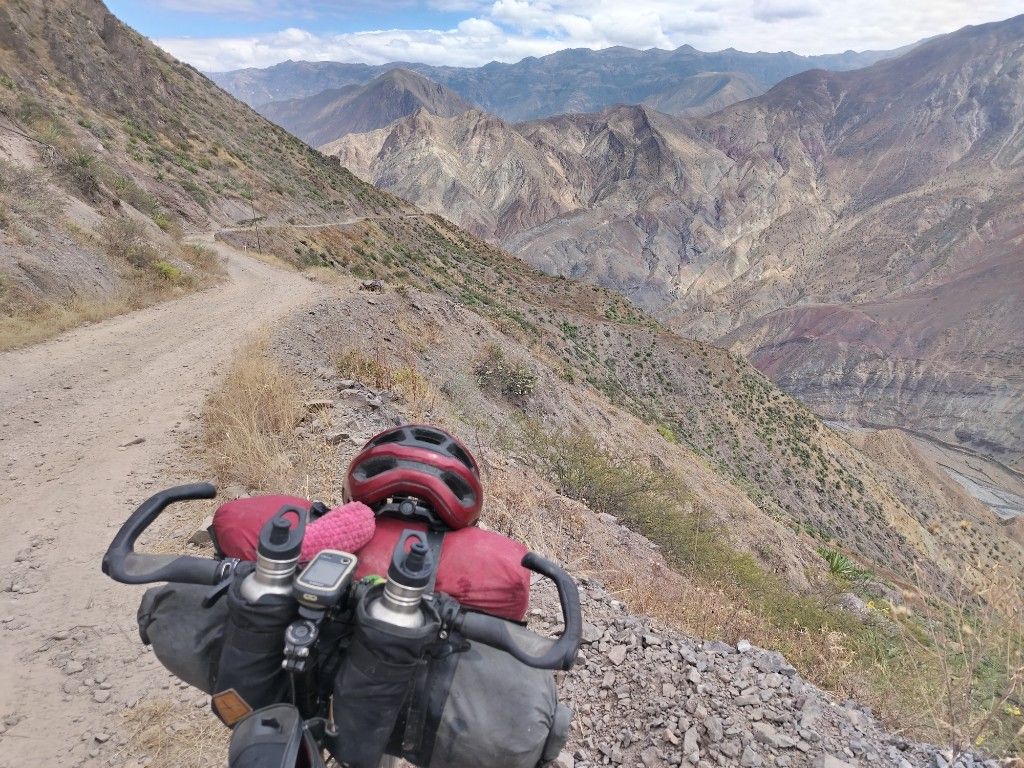
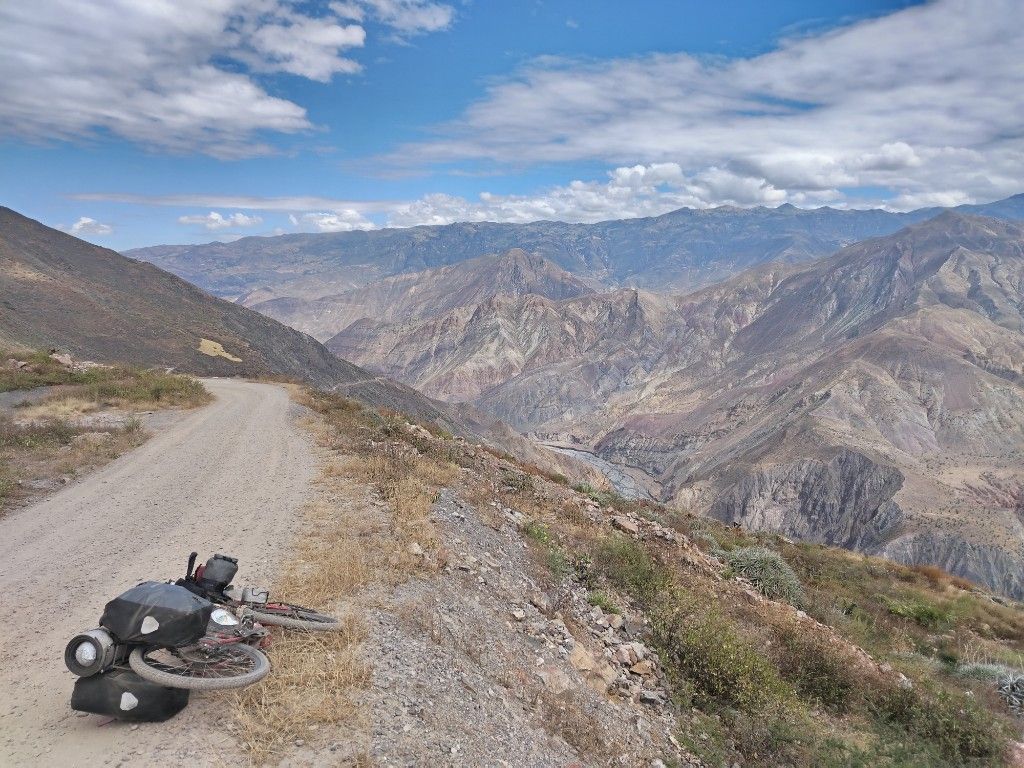
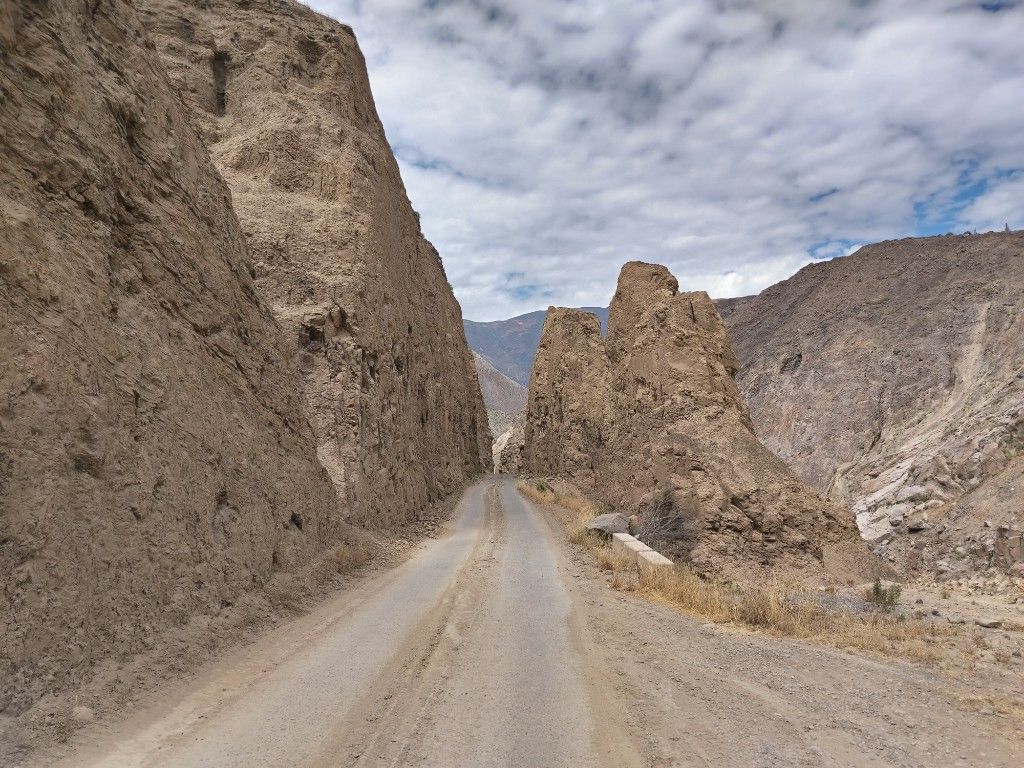
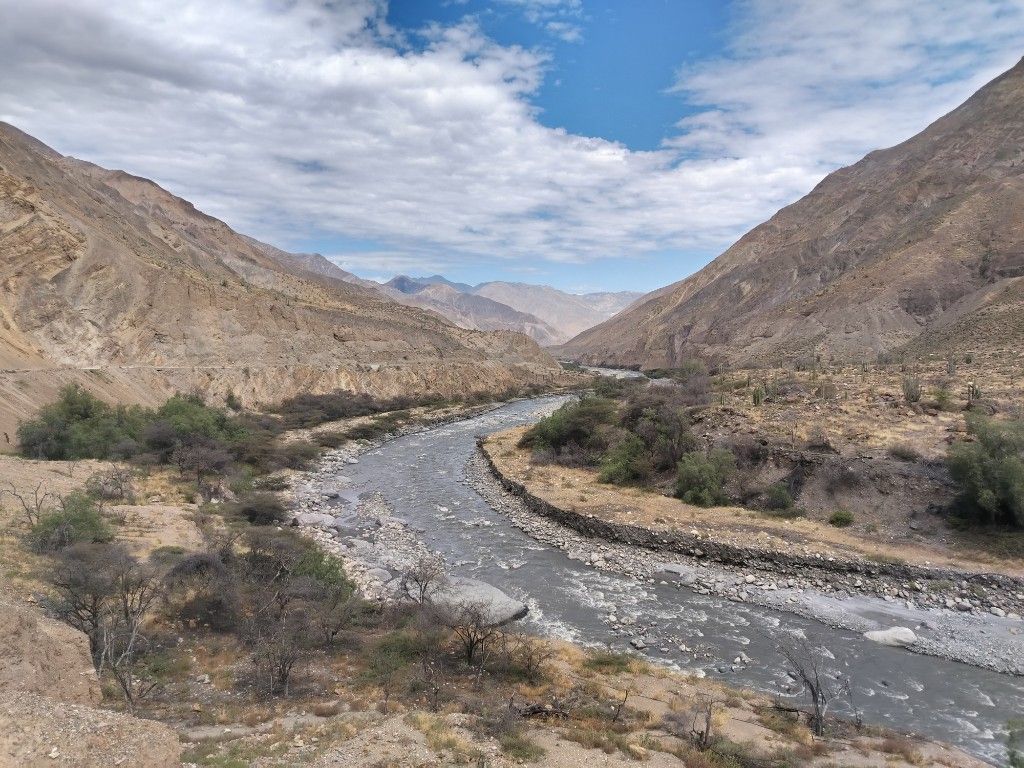
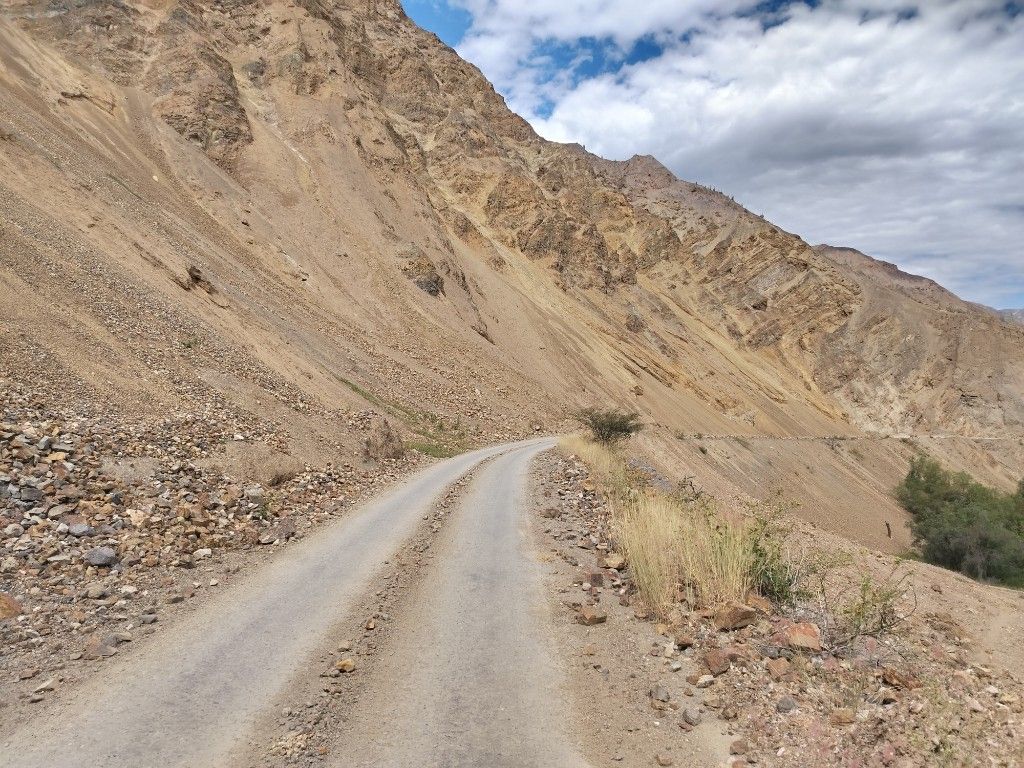
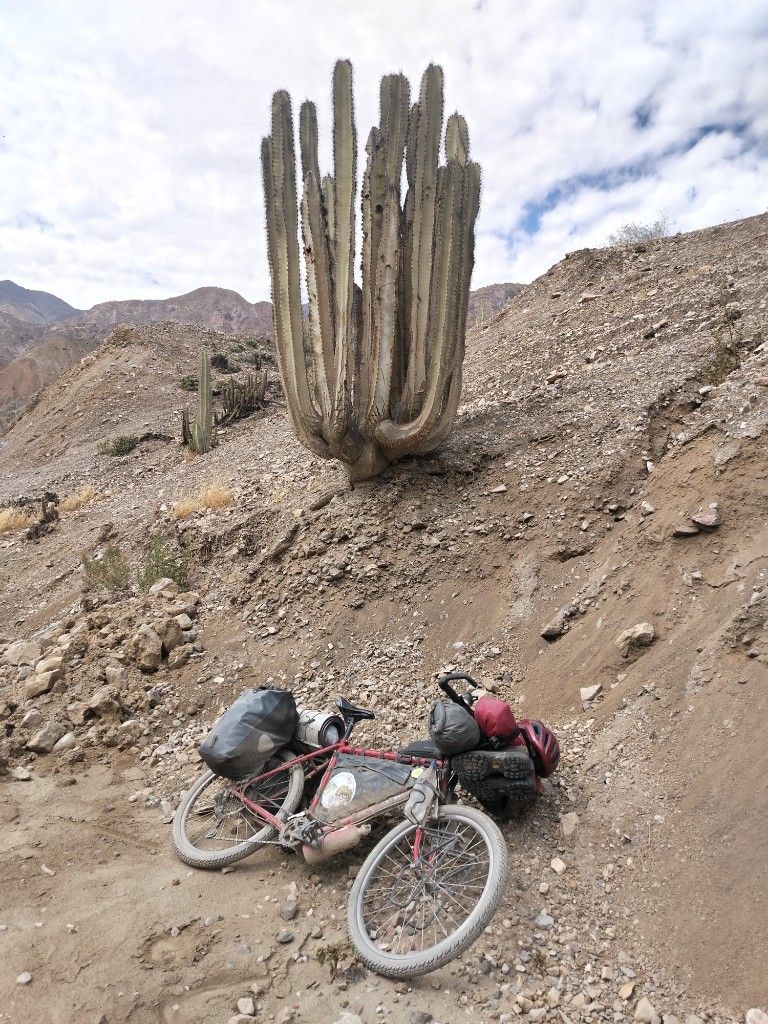
I reckon that I could spend the rest of my life exploring the Andes and never get bored. It’s incredible how quickly you can find yourself in a completely different ecosystem in just a day’s bike ride.
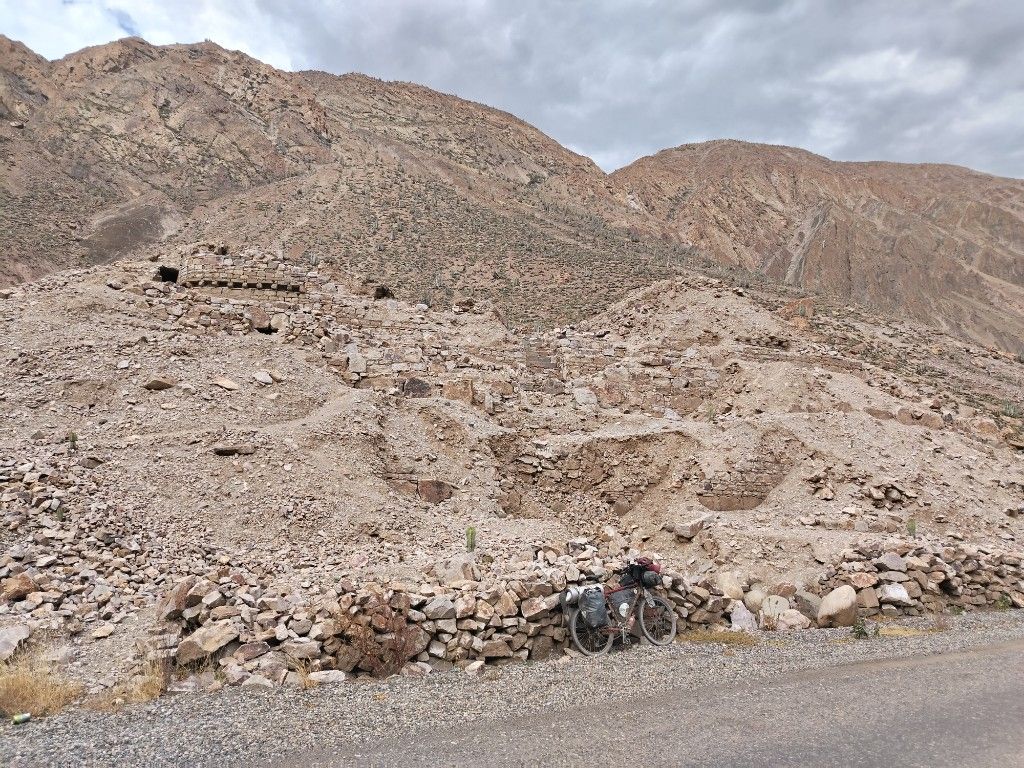
4000 year old ruined structure ‘La Galgada’. No one knows who these people were, or what they got up to, but their rocks are still here.
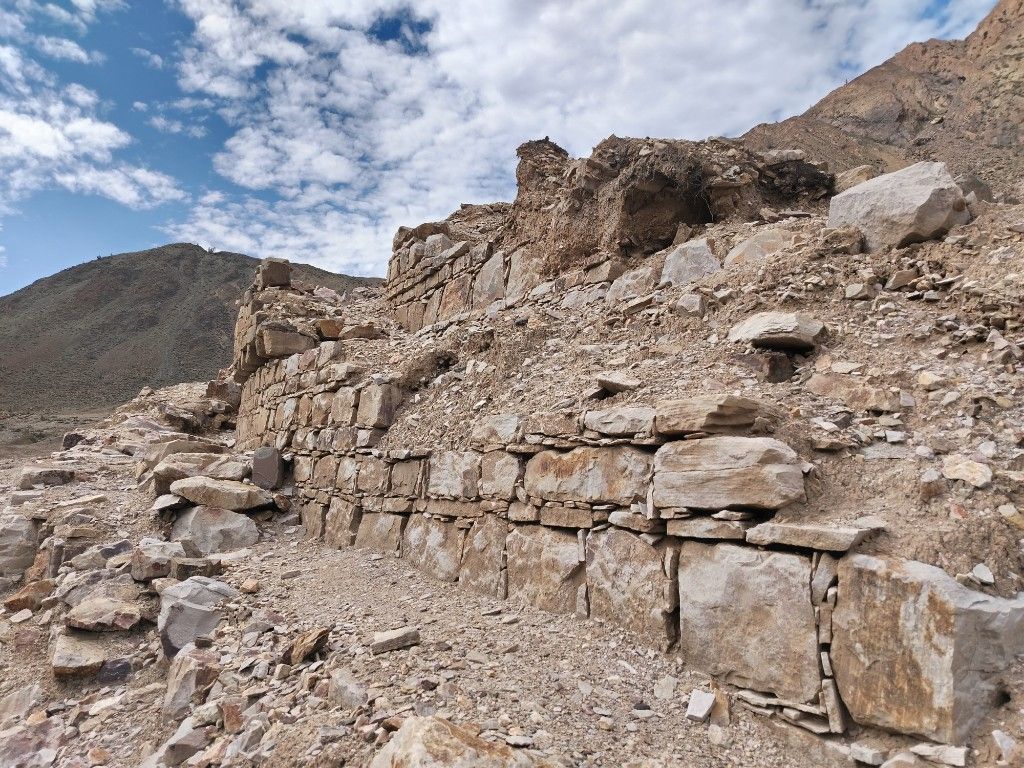
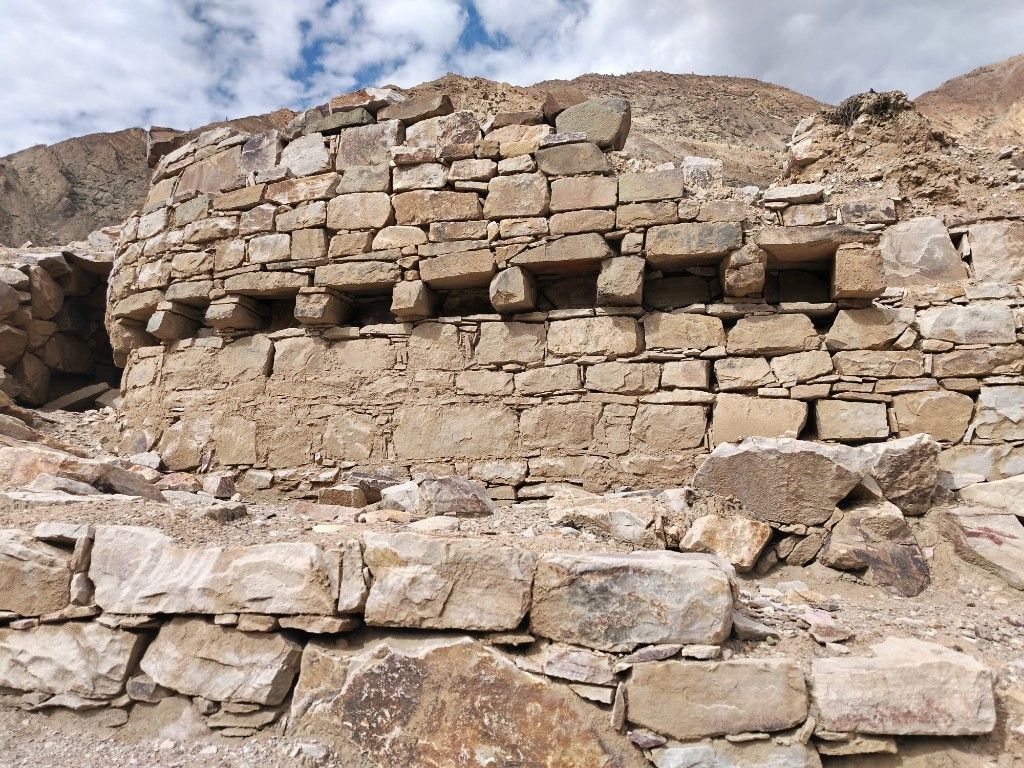
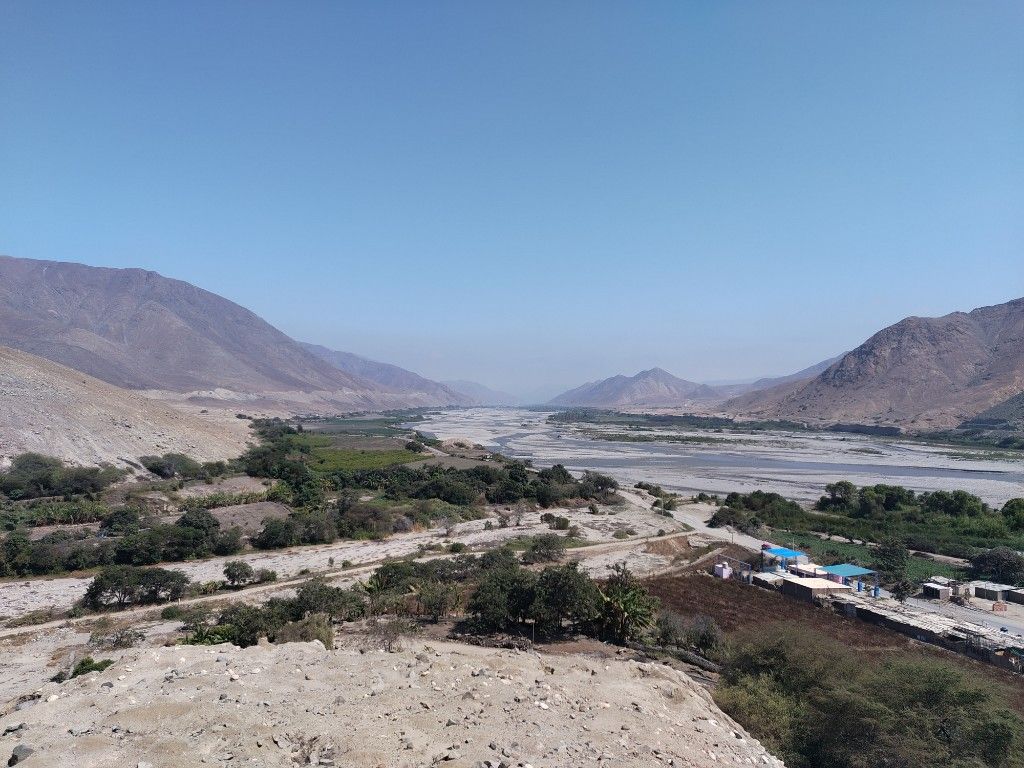
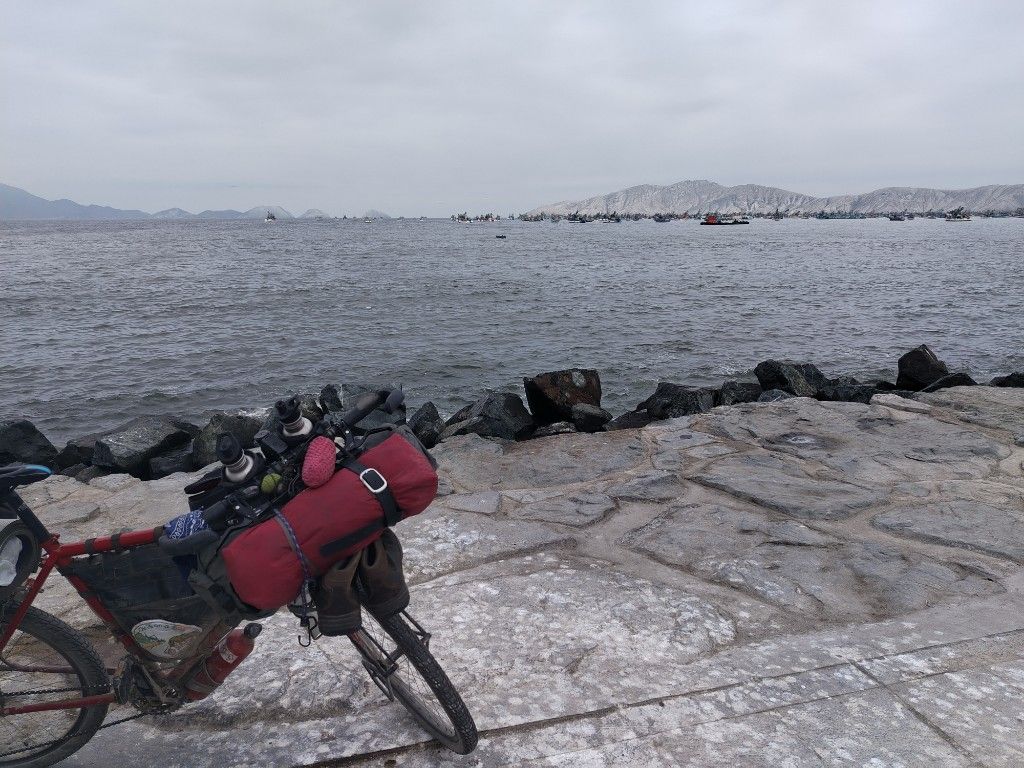
I had more or less run out of cash at this point: There hadn’t been any ATM machines in any of the rural settlements, and no one takes VISA out here. I was also very ready for a couple of days out of the saddle, laying around in a hotel room, so opted to follow the river all the way down the Chimbote, the nearest city on the coast.
Interesting read, mate. I’m with you, no judgment but I gotta ride the ups as well, or the downs don’t feel so liberating. Keep chugging along and enjoy your ride. Two more days for us and we’ll be in Yurimaguas and bringing the bikes on a boat and into the jungle.
Man you guys are going to have a blast in the Amazon, I’m really stoked for you both. That trip from Iquitos is definitely on the bucket list!