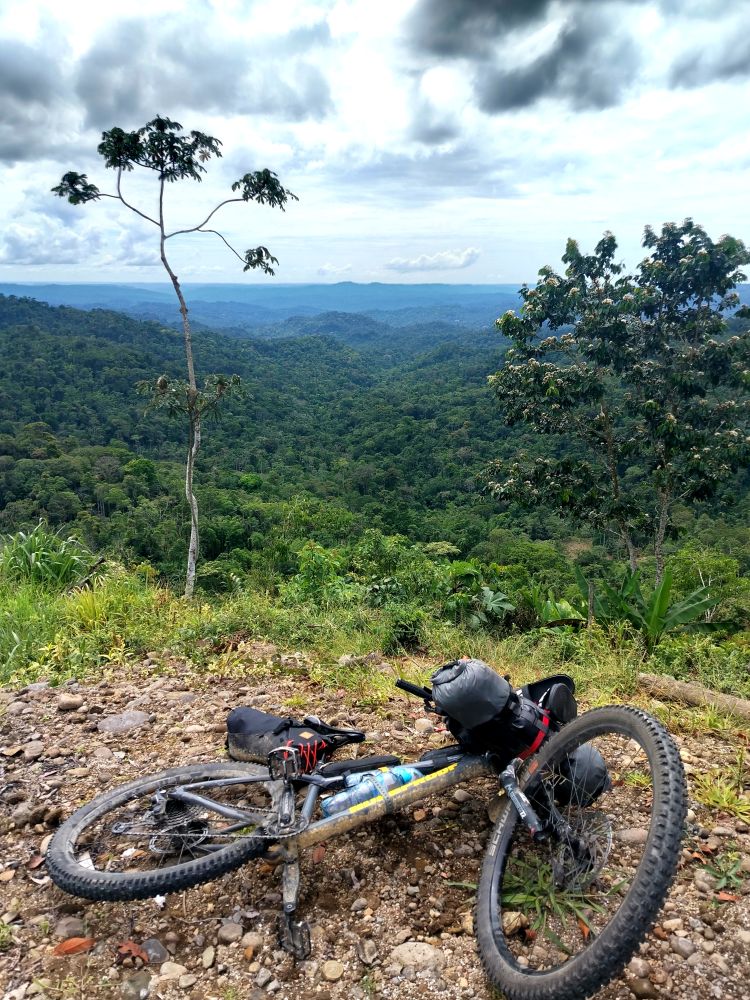
This is the story of a quick and dirty bikepacking trip into the Amazon rainforest that I made over a long weekend back in 2024, while I was living in Ecuador. In terms of chronology, this entry would come a few months before PA11: Goodbye Quito!
Finding a bikeable dirt trail into the Amazon Rainforest was a bit of a challenge; Ecuador is the most densely populated country in South America. As a result, most rural towns are relatively well served with paved roads.
If you are looking to get out to the really remote communities in the unspoilt parts of the Amazon Rainforest, you will typically be pointed towards a riverboat or light aircraft.
I played around a bit with satellite images of the region, until I found a gravel road heading deep into the rainforest. I couldn’t see much cultivation along the roadside, so I reckoned that the countryside ought to be relatively wild, and worth a scouting mission.
I bought a ticket to Puyo, knowing nothing about the route, or whether I would even be permitted to ride there.
The adventure got started at 1am, when my bus to Puyo died.
The drivers spent a couple of hours faffing around with tools trying to get it running again, until another bus rolled in and took away most of the passengers. I decided to stay on and just sleep in what was essentially a free hostel on the roadside.
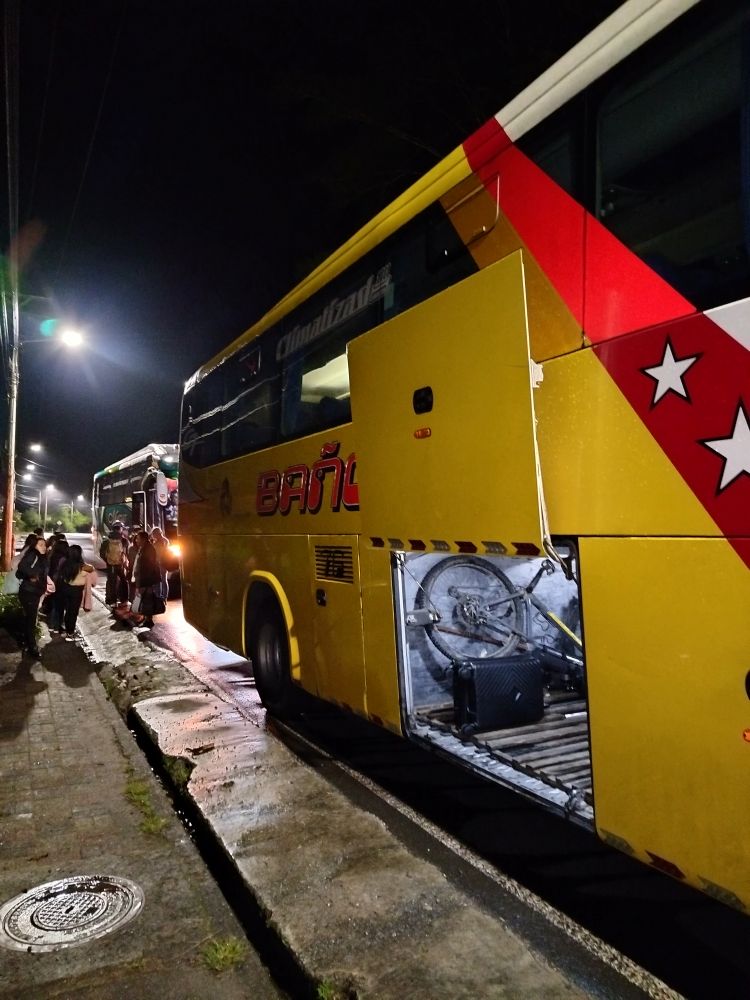
Eventually, another bus of the same cooperative arrived. I didn’t need to pay for a new ticket to ride that one. Onwards!
I got to Puyo at about 5am. Grabbed a convenience store breakfast, and waited for several coffees to blow the cobwebs away.
I discovered that I had indeed brought two USB cables, but neither was the correct type for my phone. What a twat.
A whole weekend without being able to recharge. This trip was going to be raw. No music, no video documenting, no campsite doomscrolling, just experiencing every moment in analogue mode.
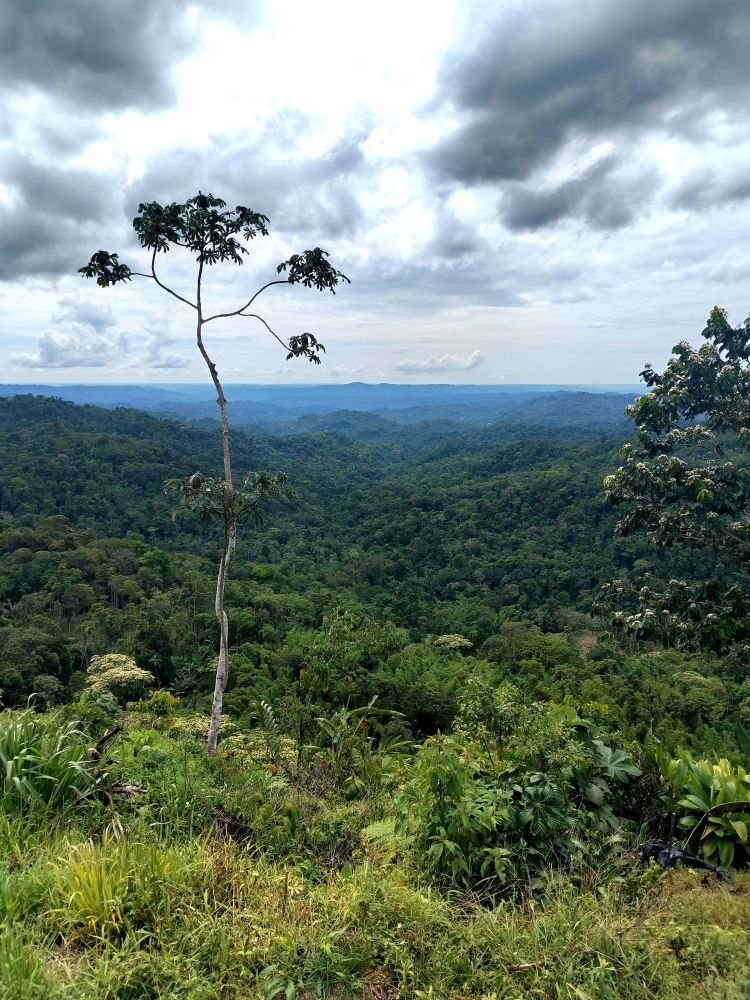
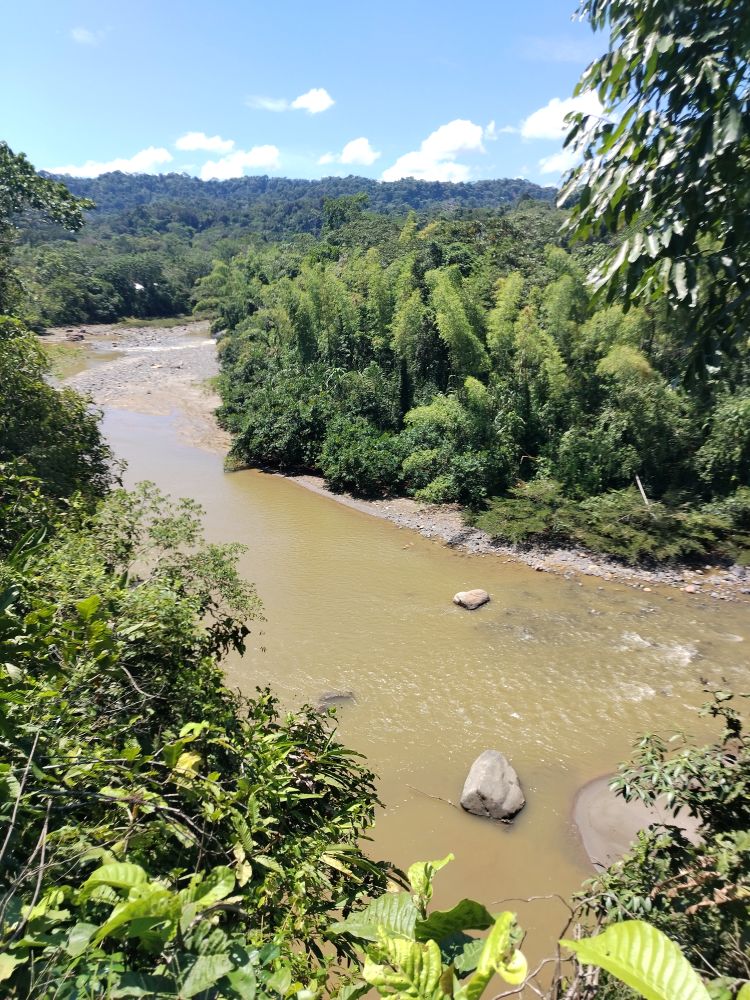
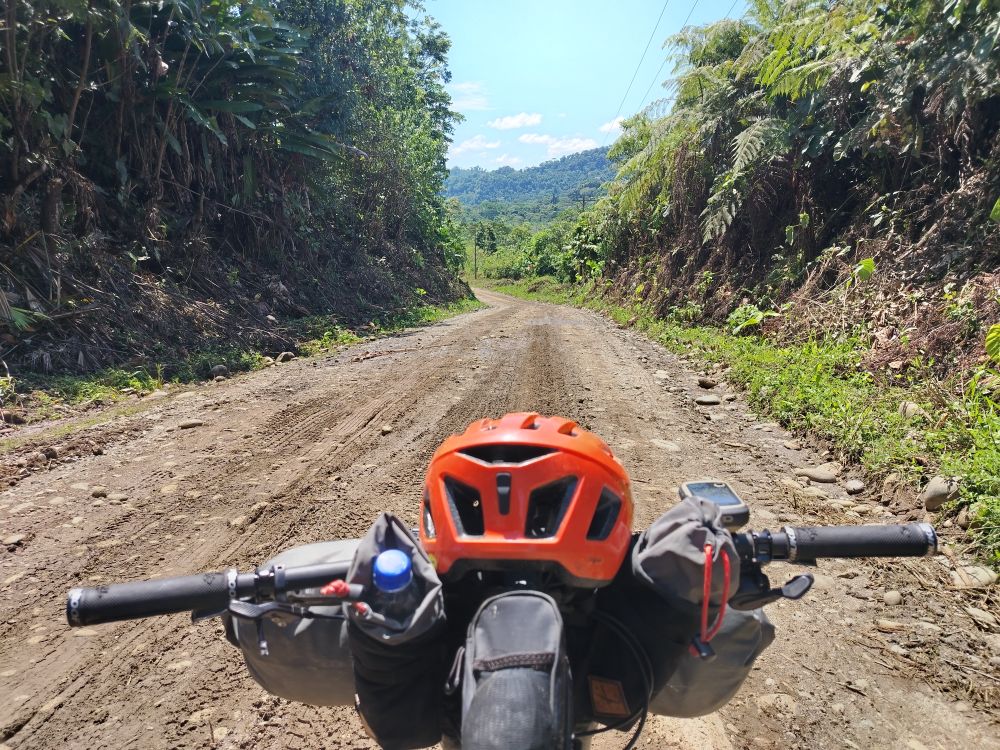
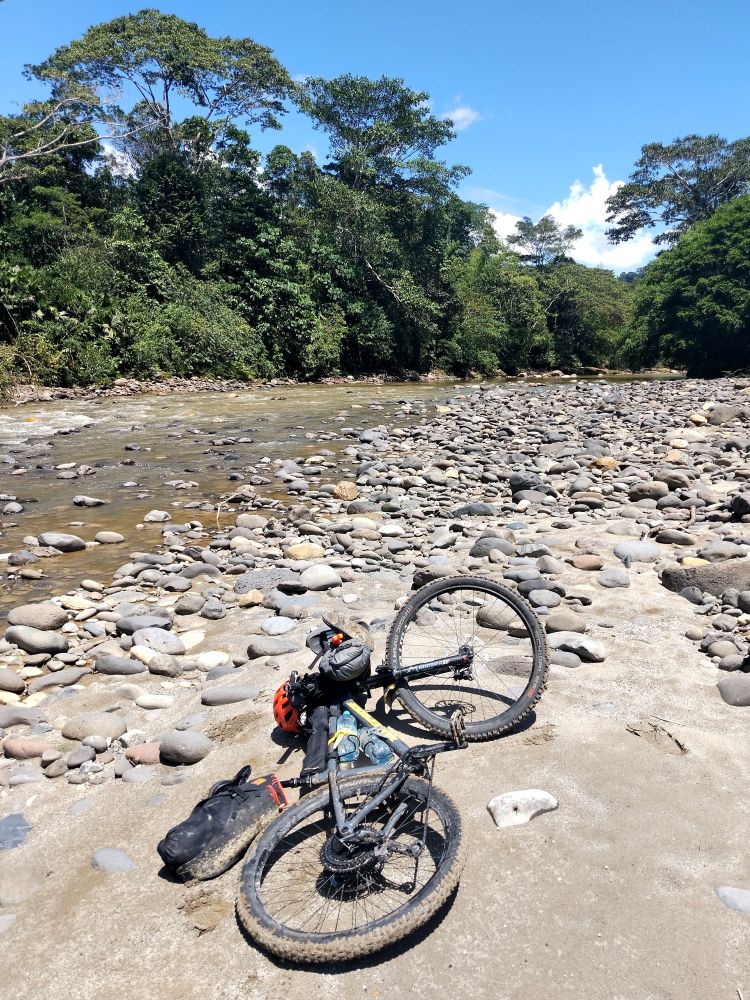
Water was easy to find, which was just as well; I got through about 8 litres each day, rapidly diminishing my supply of water purification tablets. I probably should have brought along some electrolyte supplement, but a couple of packs of instant noodles for dinner seemed to do the trick just fine.
I munched my way steadily through the kilometres on the first day, filled up my water bottles for one last time, and then dived off the road into the bushes to seek out a spot to camp. First I sought out a couple of trees spaced the appropriate distance apart to sling my hammock, then I got my machete out and cleared away any low-lying vegetation, to make space, and hopefully reduce my chances of surprise close encounters with little nasties during my stay, lastly I strung up my hammock and tarp in the little clearing.
I managed to knock my cooking pot off its stand while preparing dinner. I did my best to scoop up the mucky spillage into a plastic bag, leave no trace and all that, but despite my efforts, the crime scene was absolutely covered with ants the size of my little finger in the morning. I did my best not to get in their way while breaking camp.
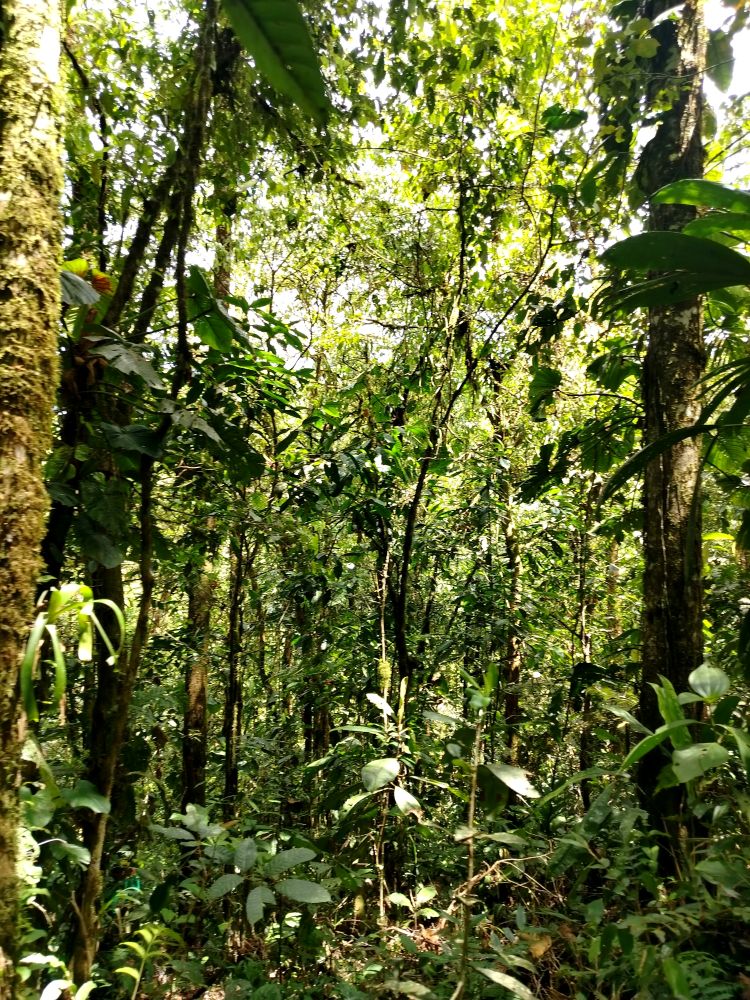
The people seemed really unused to the sight of a pedal-powered foreign tourist, and were rather reserved, even wary.
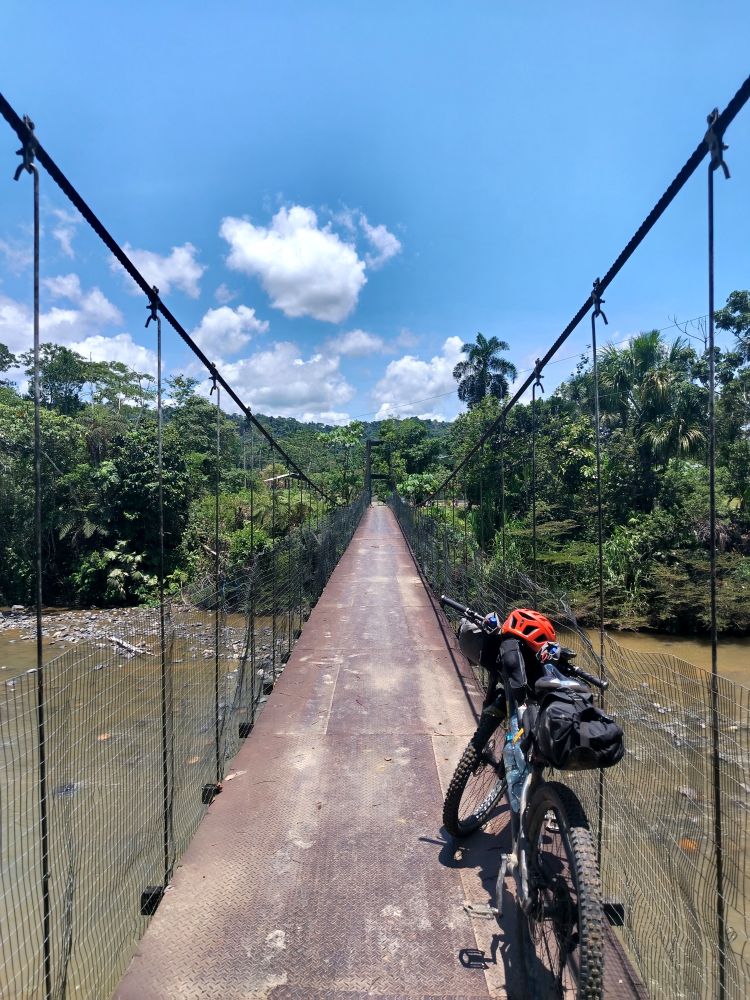
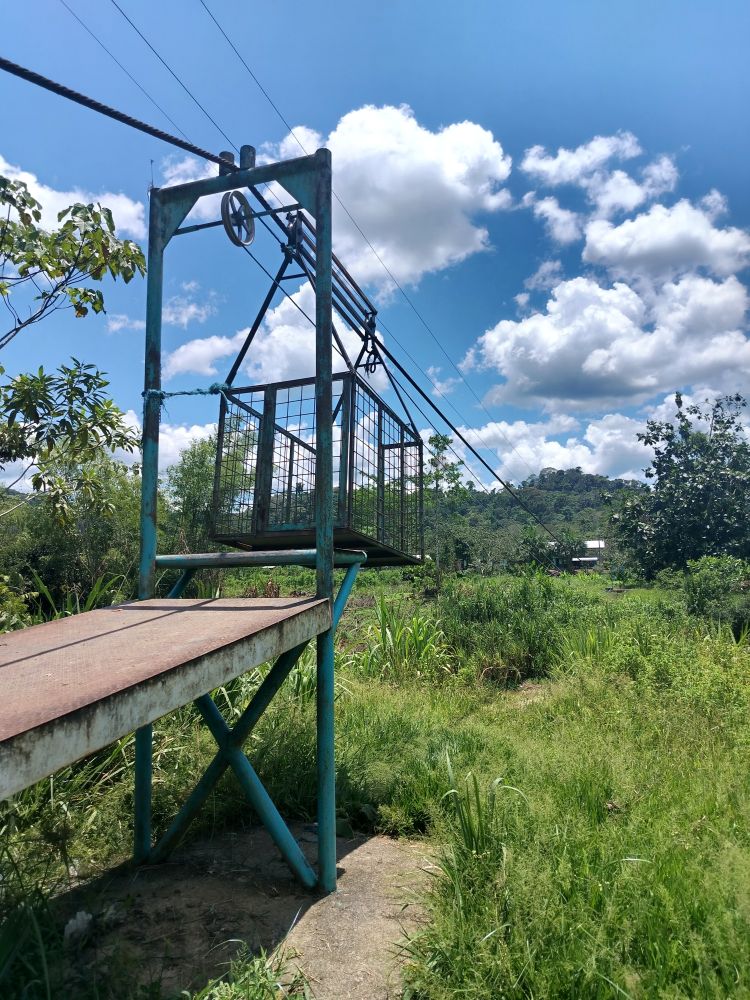
When I reached the Communidad Kurintza I decided to pop in and have a look around. The village was divided by the river running down its centre, with a suspension bridge connecting the two halves. I made to cross, but was immediately headed off by a local man, who seemingly popped up out of nowhere, and began insisting that I state my business and provide a detailed description of who I was, where I came from, and where I was going.
Eventually he was satisfied with my responses and let me pass. I couldn’t quite shake the feeling afterwards that my presence there probably wasn’t appreciated.
I deployed my standard defensive countermeasure as a solo traveller: Over-exaggerated cheerfulness. Big cheesy grins and waving at anyone who stared me down. This seemed to go down well enough, at least with the kids.
All of the houses were on stilts, big or small. I guess this was intended to keep them above floodwaters, or to make it harder for the giant ants to get in.
Most had an accompanying thatched roundhouse, either directly attached onto the side as a sort of annex, or separate, but nearby. These buildings were completely open at the sides, and appeared to function as the place to gather all of your mates together for a long lunch, a decent natter, and to watch the sweaty gringo lumber past on his bike.
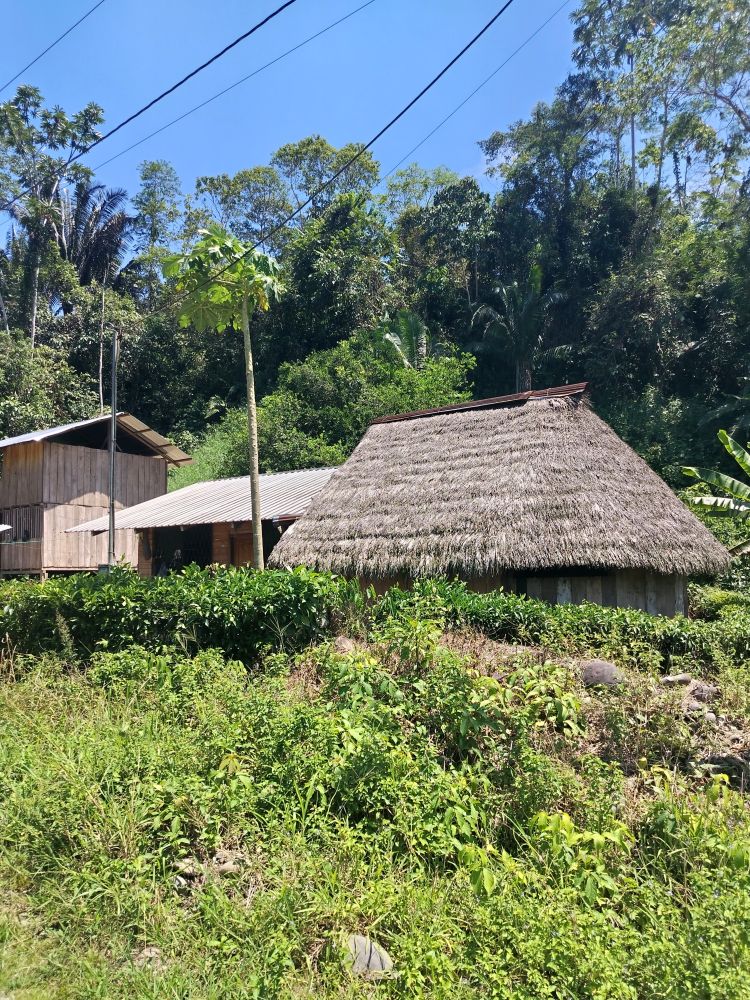
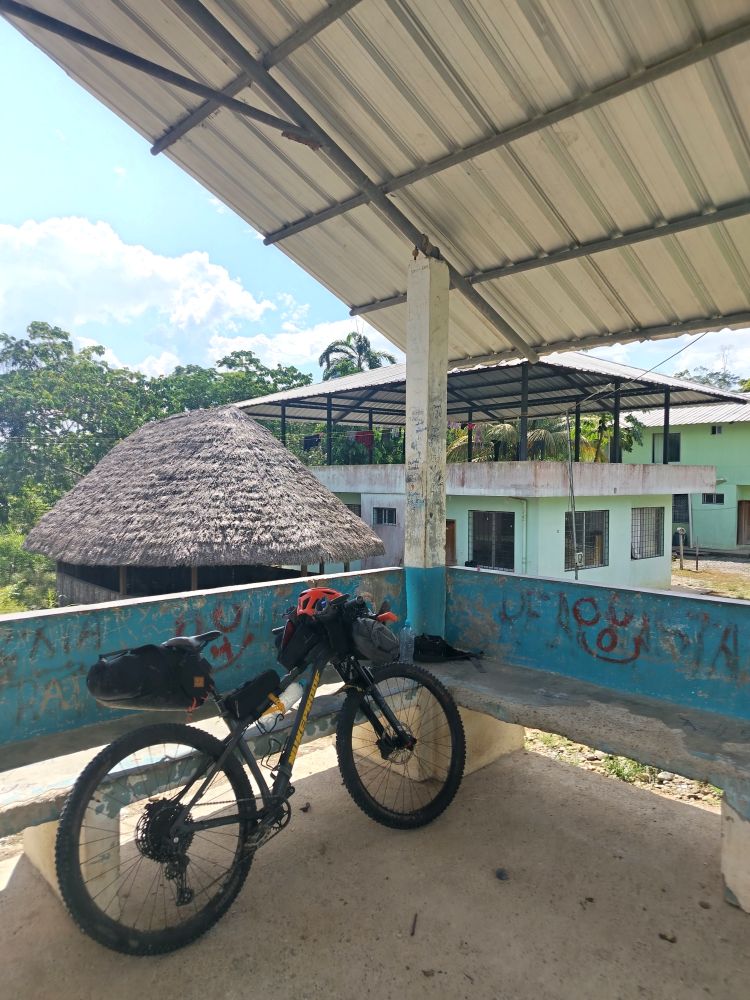
Every village had an almost identical layout at the centre: a large, often overgrown football field and volleyball court, surrounded by buildings in various stages of decay.
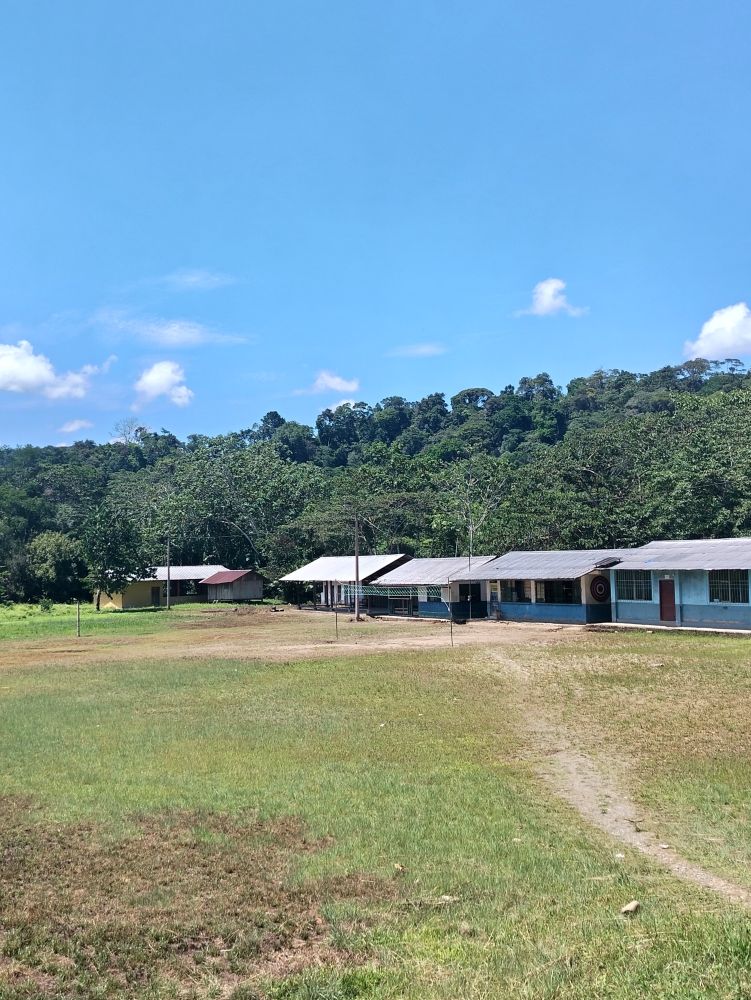
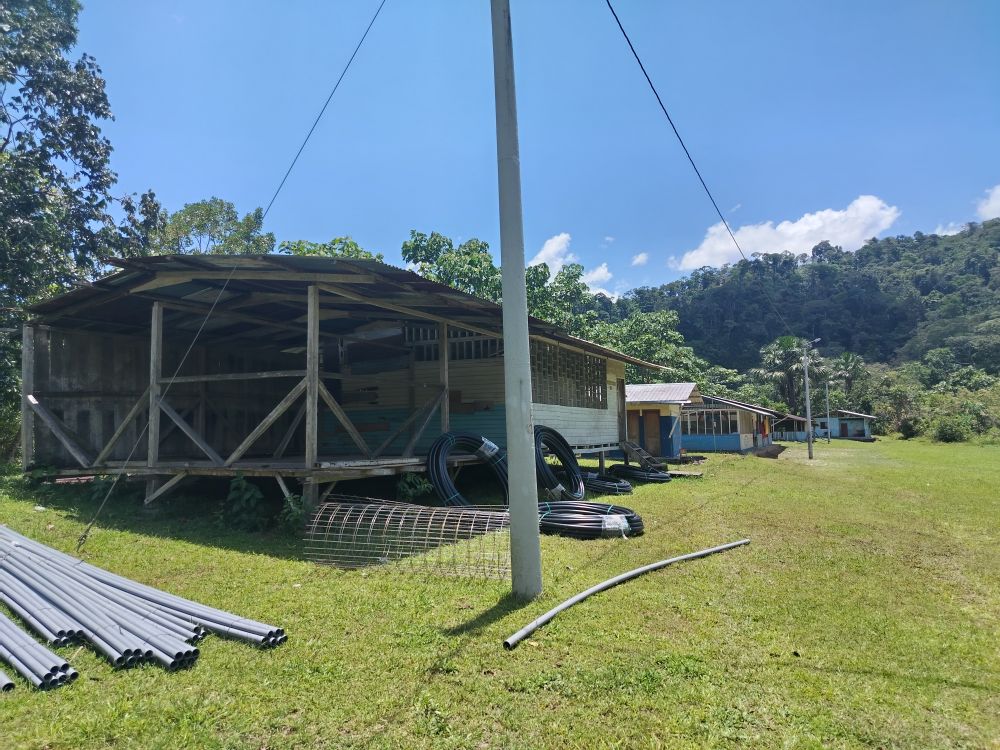
I suppose that if you build a wooden house in the rainforest it’s not going to last for many years, but the overall vibe was that of a place economically run down, forgotten.
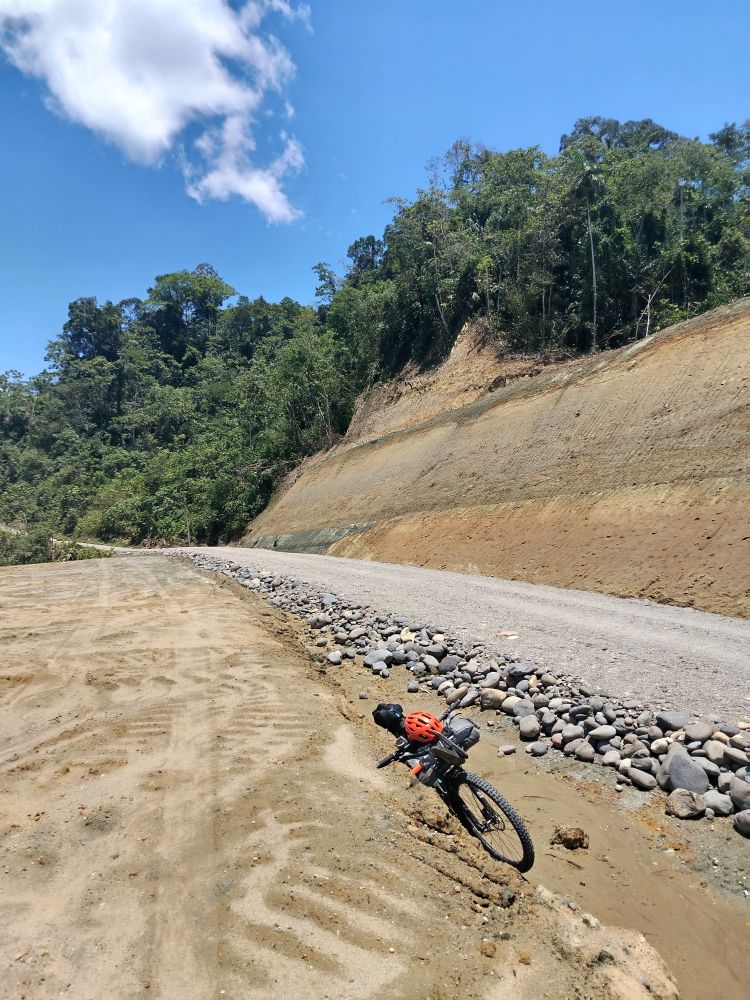
The route wasn’t all dirt. There were some immaculate, newly-paved sections near the beginning, with signs proclaiming ‘a new Ecuador’, promising to bring better transport links to the indigenous communities in the area.
There was plenty of construction machinery left along the roadside, and I’m not sure that this place will be quite so far from the tread of civilization shortly.
Coming here to escape from all of the dramas associated with my comparatively fast-paced life in Quito, I was quick to lament the destruction of the rural charm of the place. However, as an ethnic group, indigenous populations have been noticeably left behind by recent advancements made by the previous government to level up infrastructure and access to energy across the country. The current Novoa administration is keen on expanding oil exploration in the region, and has been driving for a referendum to remove environmental protections that hinder habit destruction (as far as I am aware, Ecuador is the only country on the planet that has environmental stewardship enshrined in its very constitution). Many indigenous communities are fighting hard to keep their native ecosystems intact, while others welcome the cash injection and development that comes with handing their land over to the oil men. It has become painfully apparent that neither side of the political spectrum has demonstrated more than a passing interest in the wellbeing of the indigenous, something which has been a common theme all over Latin America ever since the Spanish colonisers arrived in the 16th century.
I’ve taken far too many flights to different corners of the planet to lecture anyone about the environment, but I really hope that the countryside of Ecuador doesn’t go the same way as that of neighbouring Perú.
The road abruptly reached its end. A couple of houses and a shop/ restaurant was the extent of it. The shopkeeper apparently also doubled as the local motorcycle mechanic, and he was busy servicing the brakes on someone’s bike as I arrived.
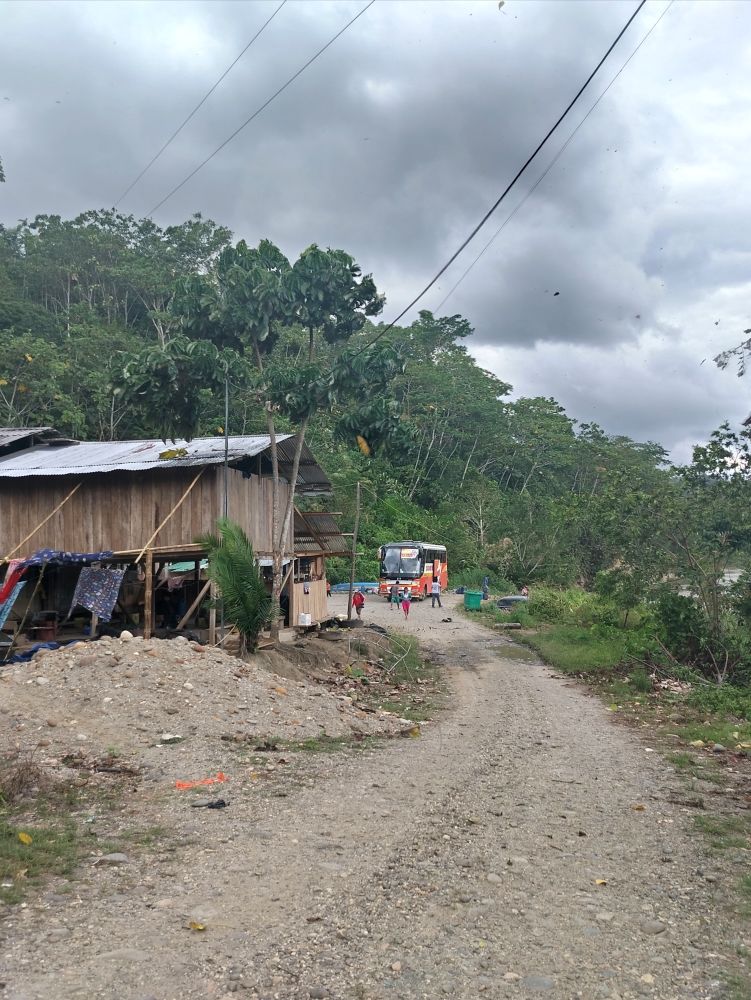
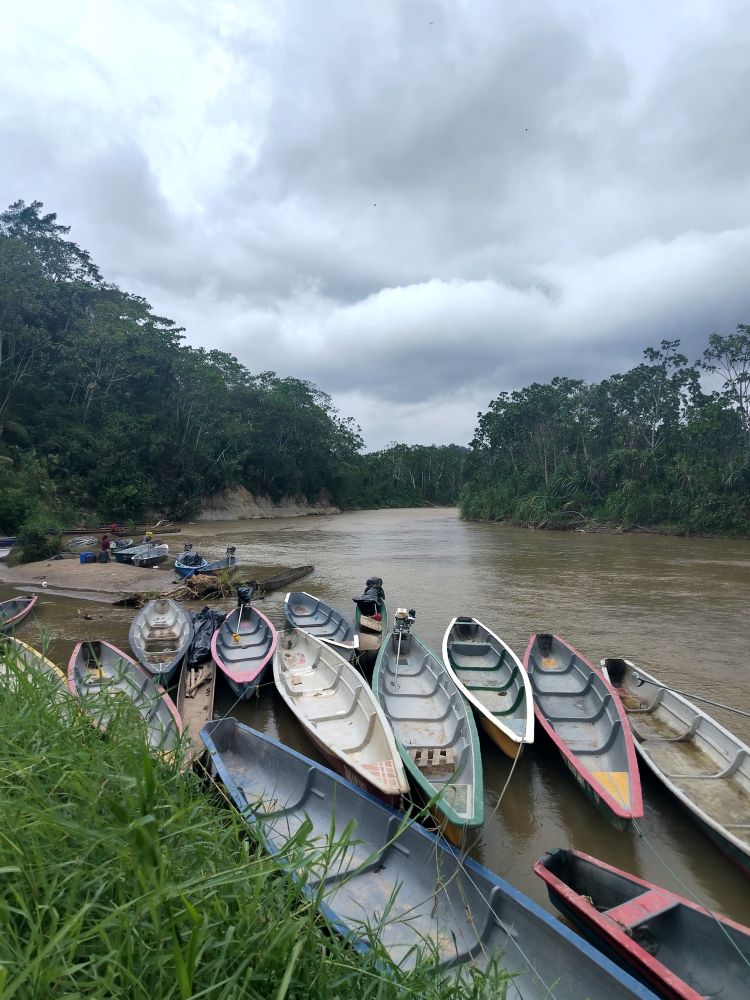
From here on the only way to access the remaining 6 communities would be to take a river boat downstream.
The bus was loading, soon to leave, so I plonked my bike in the luggage bay amongst the plantains being taken off the boats, and sought out a quick victory beer.
One of the boat skippers told me that he would be happy to take me downstream, deep into the Yasuni National Park. My heart told me to go for it, my head pointed out that I needed to be at work on Monday morning. Bollocks to it. I took down his phone number and reluctantly climbed up into the bus and resigned myself to the end of my trip.
The adventure wasn’t over just yet though. A passing motorcyclist warned us that several trees had been blown over onto the road. We had had a few intense, but short-lived storms that day.
Our driver asked if anyone on board had a machete, and, incredibly, the only person in possession of one on a bus in the middle of the Amazon was yours truly. This drew a lot of amusement from the other passengers.
The first downed tree was small enough for the driver to simply roll over the top of the boughs, for the second one he just floored it and sent the bus barrelling through the thinner branches and vegetation at the top of it. Unfortunately, the third tree was far too big to simply brush aside or drive on top of, and so we were obliged to come to a stop.
‘Machete amigo!’ The call came back and the gringo scurried forwards.
My moment of triumph lasted no longer than 5 seconds; as I handed the tool to the co-driver, he tested it with his thumb and asked if I had ever sharpened it. Nope. Did I have a sharpening stone? Oops.
The image of the rugged, self-sufficient explorer that I had been cultivating instantly evaporated as I watched him hack at the smaller branches. There wasn’t really a lot of cutting going on, more angrily bludgeoning tree boughs with a thin bit of metal until the wood finally separated.
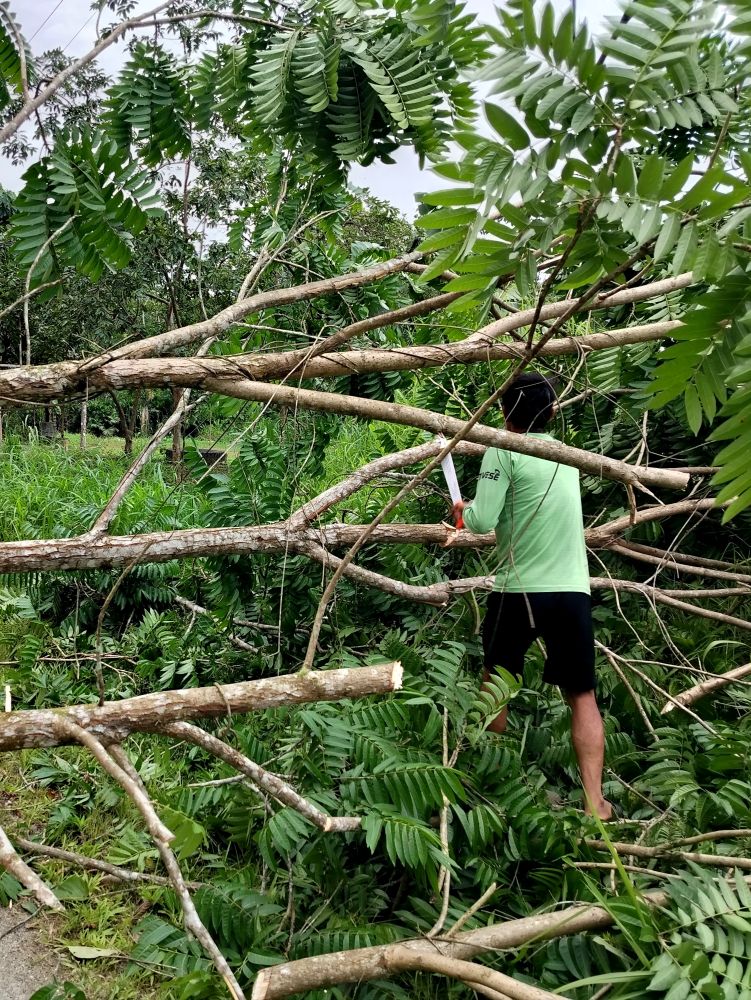
Eventually, brute force and persistence won, and we got the worst of the smaller branches out of the way. All of us passengers mucked in to help lift the main trunk of the tree, allowing the drivers to get a chain around it, and then drag it clear of the road by reversing the bus.
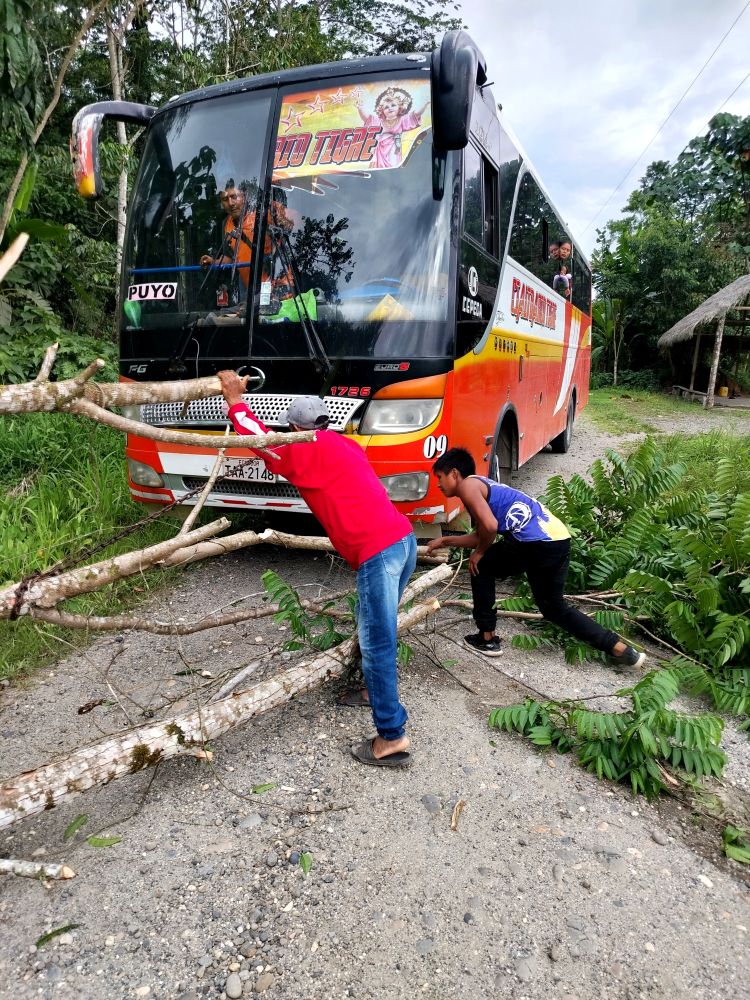
All in all we were only held up for about 20 minutes. Not bad really.
We filed back on board and settled in for a comparatively uneventful ride back to Puyo.
I still had another night bus to catch back to Quito. As much as I wanted to stick around, someone needed to make money to keep the wheels turning.
If you are interested in riding this route, I have the GPX file publicly available on the Ride With GPS website: https://ridewithgps.com/routes/48697896